
 E-Paper



Dudhwa moves closer to radio-collaring migratory elephants
The exercise aims to scientifically track elephant movements, identify cross-border migration corridors and develop a real-time early warning system to minimise human-elephant conflict

 Prefer HTon Google


LAKHIMPUR KHERI Dudhwa Tiger Reserve (DTR) has moved a step closer to radio-collaring migratory elephants, with WWF-India providing two GPS-enabled collars for the exercise. The reserve has sought approval from the Union forest and environment ministry, and clearance is expected soon, said field director H Rajamohan.
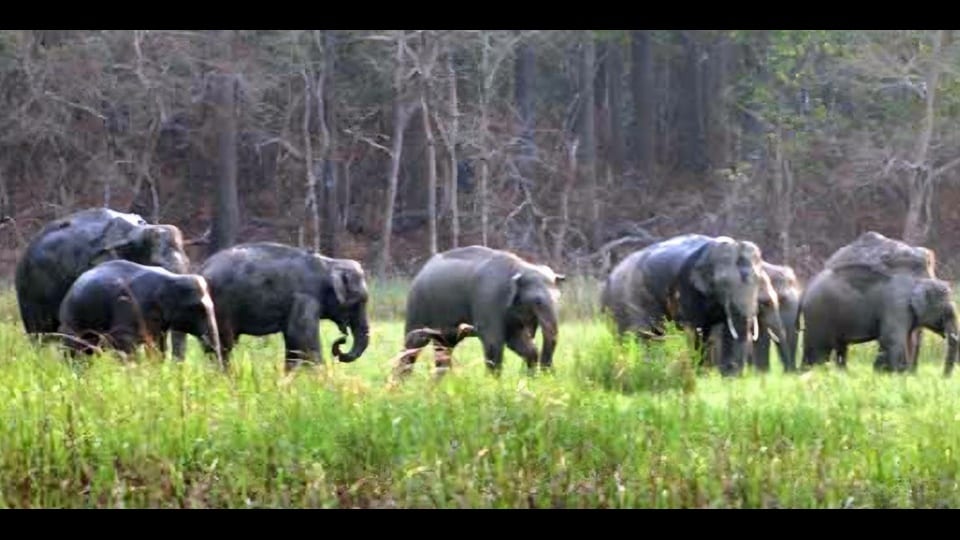
The plan is to collar a mega bull (male tusker) leading a small group of male elephants and a matriarch heading a larger herd comprising males, females and calves.
The exercise aims to scientifically track elephant movements, identify cross-border migration corridors and develop a real-time early warning system to minimise human-elephant conflict.
Given the risks involved in tranquilising wild elephants, DTR plans to seek specialist teams from Assam and Tamil Nadu. The experts are experienced in standing sedation, a technique that allows an elephant to be sedated while remaining on its feet, reducing the risk of complications during collaring.
Rajamohan said elephants traditionally migrated to Dudhwa during the monsoon from Nepal’s Shuklaphanta, Chitwan and Bardia forests before returning. However, habitat disturbances and border fencing have altered their movement patterns, resulting in longer stays in Dudhwa and increased human-elephant conflict.
The collars are also expected to help track four cross-border corridors and alert villagers and farmers to approaching herds, giving them time to protect crops and avoid encounters. HTC


