E-Paper



‘Not functional now’: LU’s off-campus delegacy centres fade into history
In Narhi, Nirala Nagar, Moti Nagar, Alambagh and other parts of Lucknow, the off-campus delegacies served as extensions of the university for students living in rented rooms or private accommodation.

 Prefer HTon Google


A newspaper on the table, a carrom game in progress, a table-tennis match underway and students huddled over a debate once made a rented room feel like an extension of Lucknow University. Its delegacy centres across the city gave students living outside hostels a place to meet, play, read and take part in university life. With most of these centres now non-functional or gone, students living away from the campus have lost the neighbourhood spaces that once brought sports, recreation and social interaction closer to them.
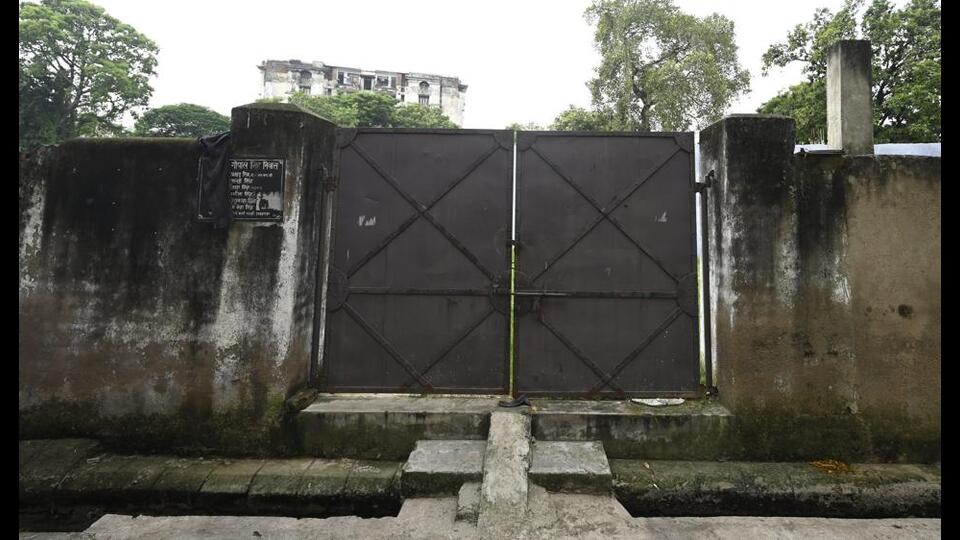
In Narhi, Nirala Nagar, Moti Nagar, Alambagh and other parts of Lucknow, the off-campus delegacies served as extensions of the university for students living in rented rooms or private accommodation.
Only two facilities, the New Campus Delegacy Centre and Mahila Common Hall, are currently functional, both within the university campus, according to university delegacy in-charge SP Singh.
A second campus for students living outside
The delegacy system provided welfare, health, recreational and other facilities to regular students living outside the university campus. Students who could not secure hostel accommodation and moved to localities such as Aliganj, Narhi and Mahanagar could use these centres for sports, reading, debates, cultural activities and social interaction.
Facilities included gyms and physical exercise spaces, indoor games such as table tennis and carrom, cricket, football and volleyball, reading rooms with newspapers and magazines, literary and debating societies and cultural activities.
“Except for the two facilities within the university campus, the delegacies are not functional now,” Singh confirmed.
He said LU currently spends around ₹1 lakh annually on the operations of the two existing facilities and also uses the amount to purchase sports equipment for students.
Singh said declining student response contributed to the closure of several centres, with some remaining non-functional for six to seven years.
Traces of a forgotten network
During an HT visit to Narhai on Monday, there was little to suggest that the locality had once hosted a LU facility. Property owners said a delegacy had operated there from around 1970 to 2010. Following a dispute, it stopped functioning and the structure was demolished in 2022.
In Nirala Nagar, near 8 Number Chauraha, a residential property had once housed another delegacy, which later became non-functional.
The university’s former network also included Moti Nagar and Alambagh. The Hazratganj delegacy, located in Narhi, is no longer under university jurisdiction and the property has been returned to its original owners, Singh said. The Moti Nagar delegacy is also non-functional despite the university paying a nominal rent of ₹500.
‘Students came here for everything’
Neeraj Jain, former chairman of the Lucknow University Athletics Association, recalled students visiting the centres for sports, newspapers and interaction with fellow students.
“The delegacies served multiple purposes for students. Students would come there for sports activities and also to read newspapers. They were places where students could meet and spend time together,” Jain said.
He blamed poor maintenance and upkeep for the decline and alleged that the university failed to preserve infrastructure supporting students living away from the main campus.