E-Paper



Upcoming MLC vacancies: Another chance for BJP to readjust political calculations in UP
Around a dozen seats in the legislative council are to fall vacant by the first week of December, while nearly as many are expected to become vacant again in January

 Prefer HTon Google


With the 2027 Uttar Pradesh assembly elections drawing closer, the upcoming vacancies in the Vidhan Parishad could provide the BJP another opportunity to recalibrate its political arithmetic and social chemistry ahead of the polls.
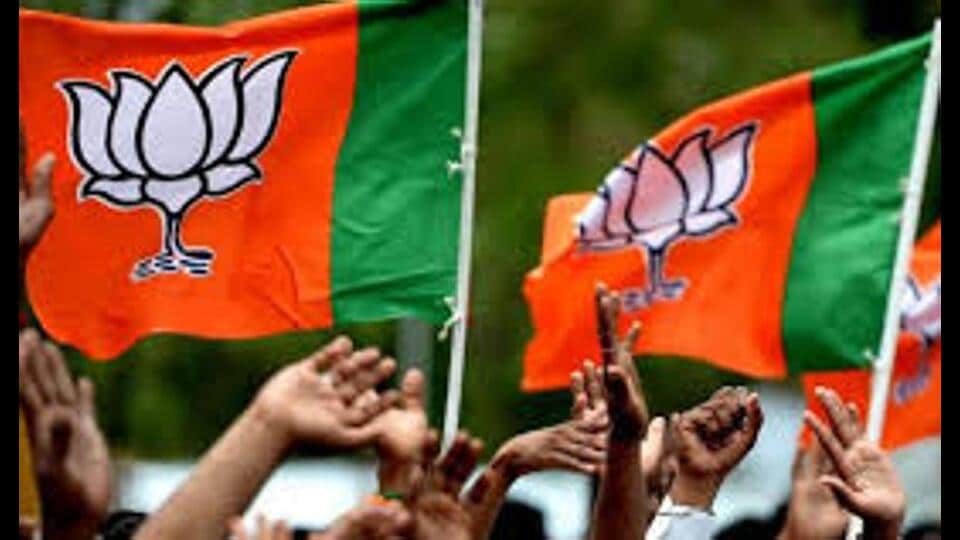
Around a dozen seats in the legislative council are to fall vacant by the first week of December, while nearly as many are expected to become vacant again in January. All these vacancies are likely to be filled weeks before the assembly elections.
The six-year term of 11 members from the graduate and teachers’ constituencies in the legislative council will end on December 6 this year. They are Avnish Kumar Singh, Ashutosh Sinha, Man Singh Yadav, Manvendra Pratap Singh, Dinesh Kumar Goyal, Hari Singh Dhillon, Umesh Dwivedi, Dhruv Kumar Tripathi, Lal Bihari Yadav, Srichand Sharma and Akash Agrawal.
Similarly, the term of another 10 members will expire on January 30, 2027. They include Kunwar Manvendra Singh, Dharmendra Singh, Swatantra Singh, Arvind Kumar Sharma, Ashwani Tyagi, Govind Narayan, Dharmveer Prajapati, Salil Vishnoi and Surendra Chaudhary.
The term of one nominated member—Padam Sen Chaudhary—is also expiring on January 30 next year, while one more seat under the nominated quota of 10 members has been vacant since June 8, 2024.
Political observers and party insiders believe the vacancies may give the ruling party scope to accommodate various caste, regional and social groups, besides addressing aspirations within the organisation and among allies. It may also accommodate leaders who may be denied a ticket for the Assembly elections.
Currently, in the 100-member House, the National Democratic Alliance (NDA) has 83 members with the BJP alone having 79 while the Samajwadi Party (SP), the principal Opposition, has only 10 members and most of them, including the Leader of Opposition in the House Lal Bihari Yadav, will be retiring on December 6.
The BJP recently attempted a similar balancing exercise through the expansion of the Yogi Adityanath Cabinet, which was widely viewed as an effort to send political and social signals to different communities ahead of the polls.
The party is also expected to undertake organisational reshuffles in the coming days, while appointments to boards, corporations and commissions are also pending. Together, these exercises, it is said, could offer the BJP multiple opportunities to fine-tune representation across caste and regional lines before the elections.
Sources said the party is learnt to be weighing factors such as representation for non-Yadav OBCs, Dalits, upper castes, women and different regions while planning future political adjustments.
The upcoming legislative council elections are also being seen as a possible avenue for accommodating organisational leaders, balancing alliance compulsions and rewarding leaders who may not find space in the government or organisation.
With almost every major political exercise now being viewed through the glasses of the 2027 elections, the coming months are expected to witness a series of calculated political decisions aimed at strengthening the BJP’s social coalition in UP as an effective counter to the Samajwadi Party’s PDA narrative that is believed to have harmed the BJP in the 2024 Lok Sabha elections.