
 E-Paper



Dharavi had six zero-case days in October: BMC data
Dharavi has recorded zero case for six straight days and just one fresh case each on 13 days of October, logging only 50 cases for the month, down from 66 cases in September


Dharavi, among India’s largest slum pockets and one of the country’s worst-affected communities during the first Covid-19 wave in 2020, recorded no new case for six days and just one fresh case each on 13 days of October, logging only 50 cases for the month, down from 66 cases in September, according to BMC data. The six zero-case days in October were on the 4th, 11th, 13th, 22nd, 25th and 31st. September had five zero-case days.
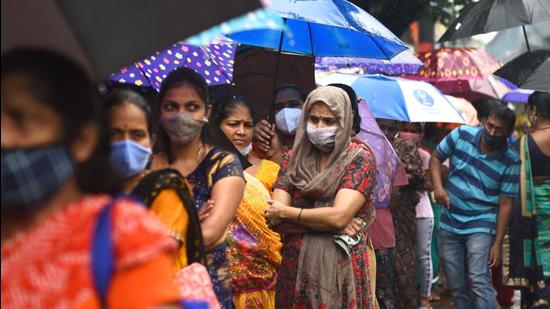
Dharavi, with an estimated population of 850,000 spread over 2.4 sq km, has recorded 7150 Covid-19 cases since March 2020, and has 20 active cases until Wednesday, November 3. The highest single-day spike in October was seven on October 8.
Neighbouring Dadar recorded over 200 Covid-19 cases in October, with Mahim reporting over 130 cases. Dadar’s total caseload is 10,382 with 83 active cases, while Mahim has seen 10,695 cases and has 85 active cases.
In April and May 2020, when Dharavi became one of Mumbai’s first containment zones, Brihanmumbai Municipal Corporation (BMC) rolled out Mission Dharavi to contain the spread of the infection. This included large-scale testing and contact tracing using fever camps, door-to-door campaigns, and mobile testing vans. As social distancing and home quarantine was literally impossible in Dharavi (the population density here is 354,167 people per sq km, the civic body began institutional quarantine of high risk contacts as well, apart from positive patients. Community toilets were cleaned and sanitised three to four times a day and food packets were distributed to homes as markets and shops were asked to shut down.
As a result, June 2020 saw a decline in Covid-19 cases in the area. However, cases began to rise again in April 2021, coinciding with the second wave when it recorded 1460 cases. However, cases dropped to 349 in May, 70 in June, 77 in July, 47 in August, 66 in September, and 50 in October.
Kiran Dighavkar, assistant commissioner of the G/North ward with jurisdiction over Dharavi, said, “During the second wave, Dharavi recorded a new spike, and we channelled efforts to contain the spread, like restarting mobile fever camps, ramped up testing and contact tracing. Other efforts were on-going, but we did not need a strict lockdown. We have been focusing on vaccination.”
At present, municipal dispensaries and a few health posts provide free testing for Dharavi’s residents. BMC roped in NGOs to help with vaccination registrations in February, March and April. India’s vaccination drive began on January 16, 2021. At present, 89,808 eligible Dharavi residents have received their first dose, with 13,322 beneficiaries being fully vaccinated.
Stay updated with all the Breaking News and Latest News from Mumbai. Click here for comprehensive coverage of top Cities including Bengaluru, Delhi, Hyderabad, and more across India along with Stay informed on the latest happenings in World News.


