
 E-Paper



539 posts vacant, Pune Cantonment residents bear brunt of staff shortage
According to board officials, recruitment has not been undertaken for several years, while retirements have further widened the gap between the sanctioned strength and the actual workforce. The shortage has increased the workload on existing employees and affected the functioning of depts.

 Prefer HTon Google


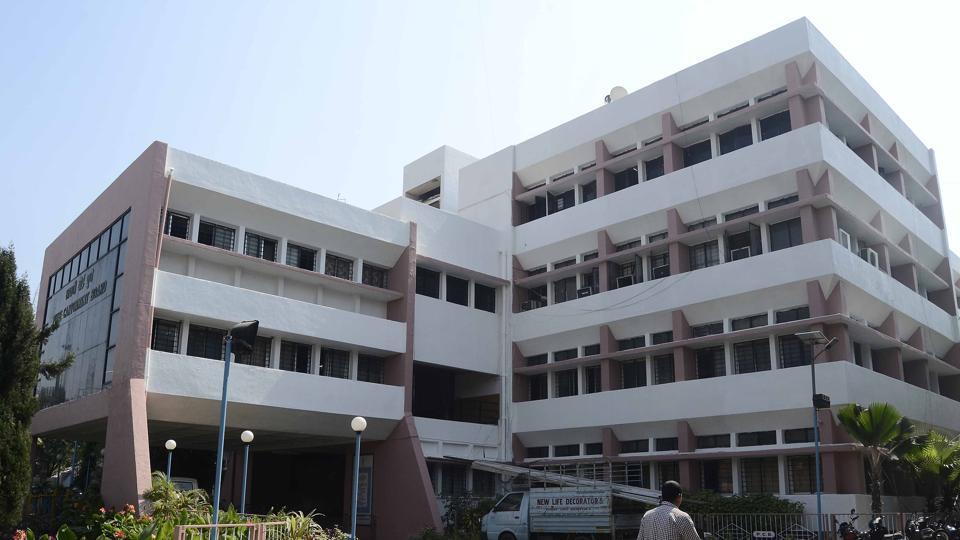
PUNE: The Pune Cantonment Board (PCB) is functioning with barely half of its sanctioned workforce, with 580 employees in place against 1,119 sanctioned posts, leaving 539 vacancies and affecting the delivery of civic services and implementation of development works in the cantonment area.
According to board officials, recruitment has not been undertaken for several years, while retirements have further widened the gap between the sanctioned strength and the actual workforce. The shortage has increased the workload on existing employees and affected the functioning of several departments.
The vacancies are spread across key departments, including health, education, engineering, accounts, tax collection and other civic service wings. Officials said the shortage has made it difficult to complete routine administrative work and execute and monitor projects within stipulated timelines.
The PCB is responsible for essential civic services such as water supply, sanitation, road and public infrastructure maintenance, healthcare, education and property tax collection.
“We are facing a serious staff shortage, with a senior employee retiring almost every month. However, vacant posts are not immediately filled. In 2026, the board had issued an advertisement for recruitment, but the process was stayed by the Ministry of Defence. At present, we are functioning with a very limited workforce,” Pune Cantonment Board chief executive officer Vidyadhar Pawar said on Monday.
“Employees are facing difficulties because of the shortage of staff. A large number of posts are vacant, while the responsibilities of the existing employees have increased,” Pawar said.
The engineering department, which handles several infrastructure projects, is among those affected by the shortage. Officials said inadequate technical and administrative manpower could delay scrutiny, execution and monitoring of civic works. Departments responsible for revenue collection and civic administration are also handling increased workloads with fewer employees.
The shortage comes at a time when residents are demanding improvements in roads, sanitation, drainage, water supply and other civic amenities. Residents have also raised concerns over the condition of civic infrastructure in parts of the cantonment and sought faster implementation of development works.
Social activist Rajabhau Chavan said the prolonged staff shortage was directly affecting the quality and speed of civic services.
“Citizens are ultimately paying the price for the shortage of staff. When there are not enough employees in departments responsible for roads, sanitation, water supply, health, tax collection and other civic services, complaints remain pending and routine work gets delayed. A civic body cannot be expected to function efficiently when nearly half of its sanctioned posts are vacant,” Chavan said.
Youth leader Ameet More said residents should not suffer because of recruitment-related delays.
“People pay taxes and are entitled to timely and efficient civic services. When senior employees retire and their posts remain vacant, the workload falls on the remaining staff and this ultimately affects citizens. The Ministry of Defence and cantonment authorities must take a serious view of the situation and ensure that vacant posts are filled at the earliest,” More said.
More said the shortage was particularly concerning in departments that deal directly with residents.
“If there is inadequate staff to inspect roads, address sanitation complaints, maintain civic infrastructure or process citizens’ applications, the common man has to make repeated visits to the board offices. This creates unnecessary delays and frustration. The issue should be treated as a matter of public service and not merely as an administrative vacancy,” he said.
Officials said filling the vacant posts would reduce the workload on existing employees and improve the board’s capacity to provide civic services and implement development projects.


