


 Live Score
 Cricket Teams
 Cricket Players
57.50 ODI average, 189 against Afridi-Razzaq-led attack, stood in for Tendulkar; yet international career lasted 6 days
A 300 against an attack led by Srinath and Prasad came three years after his second ODI, yet India never handed him another international chance.

 Prefer HTon Google


An 89 in your second ODI should normally buy you a third. Add a Player-of-the-Match award, and the expectation becomes even stronger. Yet one Indian opener walked away from Bengaluru in May 1998 after doing exactly that and never appeared in another international match. His entire ODI career lasted six days and produced 115 runs at an average of 57.50, one half-century and one match award.
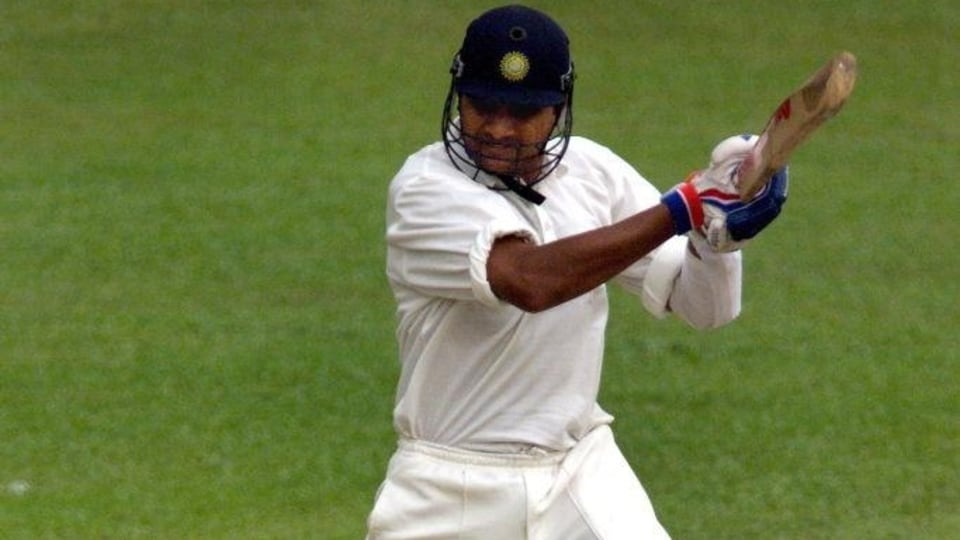
That brief international run had not come from nowhere. Years of domestic cricket had already carried him into an Indian Test squad, while a 189 as India A captain in Pakistan had pushed him further towards the senior side only months before his ODI debut. Even after those two internationals became his last, he returned to domestic cricket and produced a triple century against an attack containing Javagal Srinath and Venkatesh Prasad.
The player was Gagan Khoda, a Rajasthan opener whose career repeatedly seemed to reach the edge of something bigger without ever quite crossing it.
Khoda was only 17 when his Ranji Trophy career began, and the introduction could scarcely have been stronger. Against Uttar Pradesh in 1991, he scored 116 in his first first-class innings. Three seasons later, he produced the campaign that moved him firmly into the national conversation, scoring 618 Ranji Trophy runs in 1994-95 at an average of 77.25 with two hundreds and two fifties.
The biggest of those innings came in the quarter-final against Uttar Pradesh. Rajasthan had conceded 487 before being dismissed for 237 and were facing elimination when Khoda responded with an unbeaten 237 in the second innings. Rajasthan reached 417/5 but still went out on the first-innings deficit, although the innings strengthened Khoda’s reputation as an opener capable of batting for long periods and turning starts into huge scores.
By 1997, he had moved close enough to international cricket to be included in India’s Test squad during the tour of Sri Lanka. The cap never arrived, but his progress continued the following year when he was made captain of India A for a tour of Pakistan.
A 189 in Pakistan and the India call
The India A squad contained several players who would later represent the senior side, including Ajit Agarkar, Wasim Jaffer, Murali Kartik, MSK Prasad, Sairaj Bahutule and Reetinder Sodhi. Khoda led them into a series in which one innings in Lahore strengthened his own case considerably.
Opening against Pakistan A, he faced an attack containing Aaqib Javed, Abdul Razzaq and Shahid Afridi and made 189 from 328 deliveries. He batted for almost seven hours before falling 11 runs short of a double century, adding another substantial performance to a domestic and representative record that had been building for several seasons.
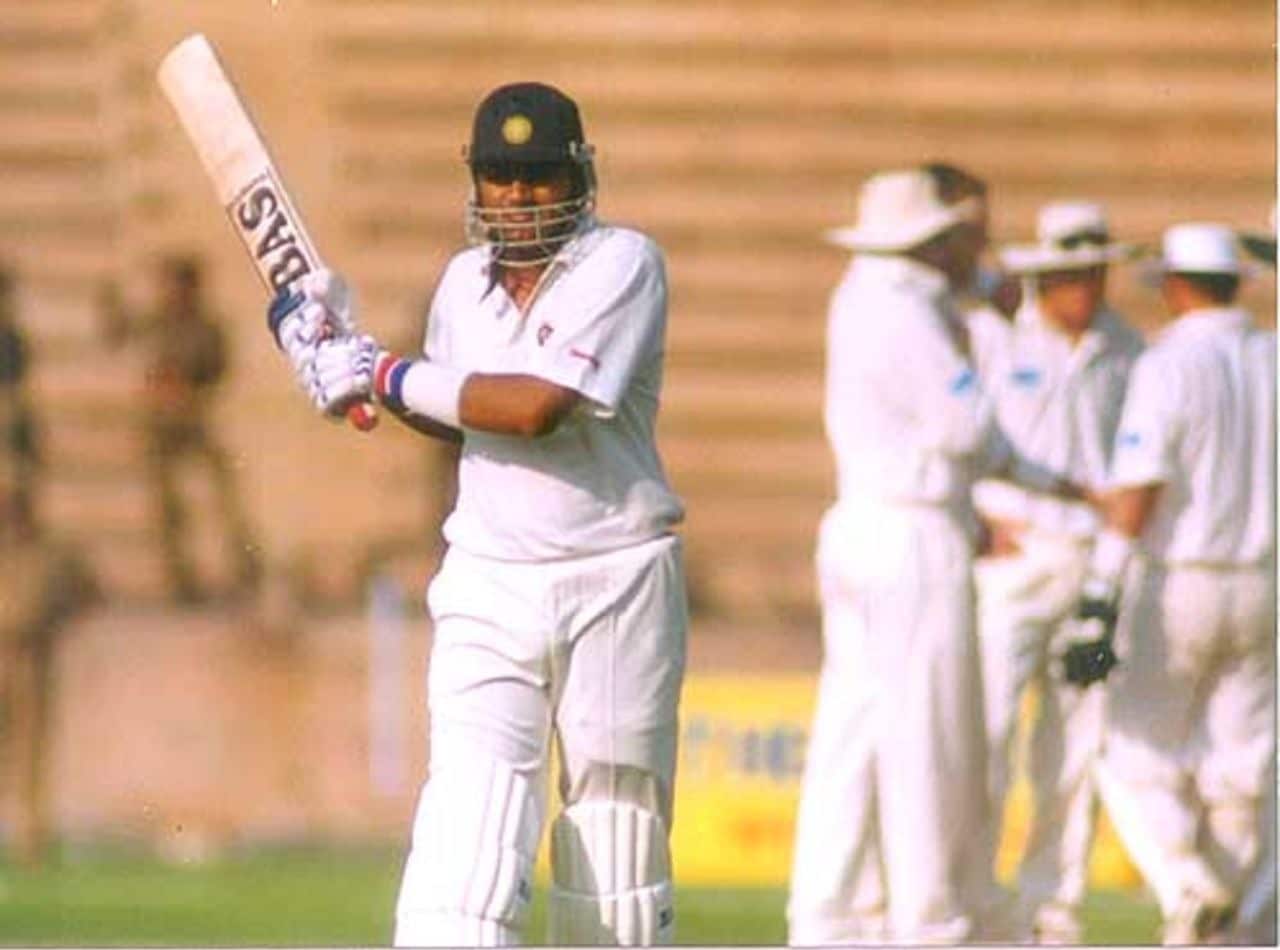
The senior opportunity arrived within months. India rested several established players, including Sachin Tendulkar, for the Coca-Cola triangular tournament involving Bangladesh and Kenya in May 1998, opening up places near the top of the order. Khoda made his ODI debut against Bangladesh at Mohali on May 14 and opened alongside Sourav Ganguly. He scored 26 from 56 balls as India successfully chased 185, an innings that neither transformed his position nor damaged it. Six days later, however, he produced the performance that would define his international career.
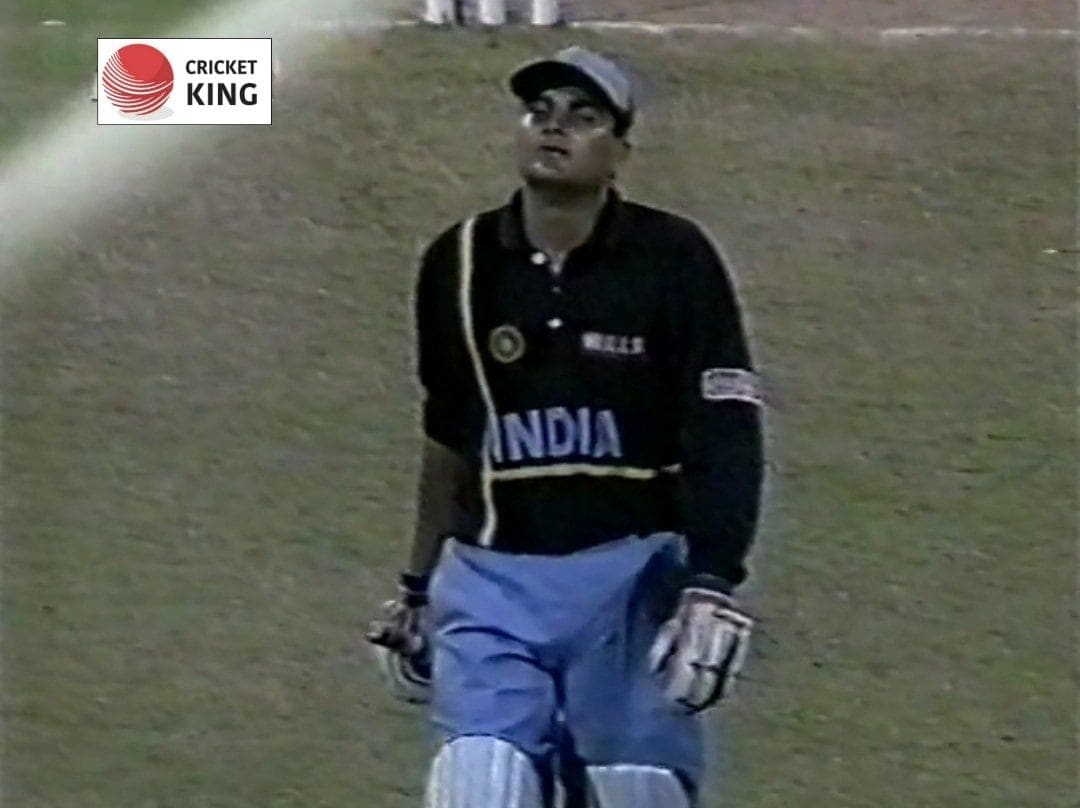
Kenya had made 223/9 in Bengaluru before Ganguly fell for nine during India’s chase. Khoda rebuilt alongside Rahul Dravid, adding 98 for the second wicket, and remained at the crease deep into the innings. His 89 came from 129 balls and included eight fours, leaving India in control before they completed a four-wicket victory. Khoda finished as India’s highest scorer and was named Player of the Match. At the end of the evening, his ODI record stood at 115 runs from two appearances at an average of 57.50. Those figures would never change.
The return of India’s established openers reduced his chances immediately. Tendulkar and Navjot Singh Sidhu came back into the side, while Khoda remained in the squad without getting another game. He was retained for the final of the triangular tournament and later travelled to Sri Lanka for the Nidahas Trophy, but again stayed outside the XI. India also took him to the 1998 Commonwealth Games in Kuala Lumpur, although those matches did not carry ODI status. By the end of the year, the opening created by the temporary absence of senior players had disappeared, and Khoda had drifted away from the national side.
There would never be a third ODI.
The 300 not out that brought him back into contention
Domestic cricket still offered another route, and in February 2001, Khoda produced the largest innings of his first-class career. Central Zone were facing South Zone in the Duleep Trophy, with Javagal Srinath and Venkatesh Prasad leading an attack that also included Sunil Joshi and Venkatapathy Raju.
Khoda batted for 610 minutes and faced 467 deliveries. By the time Central Zone declared at 550/7, he was still unbeaten on 300 after hitting 33 fours and six sixes. Srinath went wicketless, as did Prasad, while Central Zone eventually won by an innings and 14 runs. The triple century brought Khoda back into the representative picture and earned him selection for India A against the touring Australians. The senior recall, however, never followed, and the two ODIs played in May 1998 remained the entirety of his international career.
Khoda continued to accumulate runs in domestic cricket and eventually finished with 8,516 first-class runs, including 20 centuries and 42 fifties. His career average sat just below 40, while in List A cricket, he scored nearly 4,500 runs at an average above 40 with 10 hundreds.
Competition for batting places during his strongest years was severe. Tendulkar, Ganguly and Rahul Dravid were already established. Sidhu remained an opening option when Khoda first reached the ODI side, and VVS Laxman was emerging. Several other domestic batters were also competing for the limited vacancies available in a powerful Indian batting generation.
Khoda’s own sequence remained unusual even within that crowded field. A century on Ranji Trophy debut at 17 was followed by a season averaging 77.25, selection in an Indian Test squad, India A captaincy and 189 in Pakistan. His second ODI brought 89 and a Player-of-the-Match award, after which he never played international cricket again. Three years later, even 300 not out against an attack led by Srinath and Prasad took him only as far as another India A opportunity.
More than a decade after his playing career ended, Khoda returned to the national setup in a completely different role. In 2015, he was appointed to India’s senior selection committee, becoming one of the men responsible for deciding which domestic performers would receive the opportunities he had spent much of his own career chasing.


