


 Live Score
 Teams
Teams Players
Dale Steyn puts the weight of Test cricket on Vaibhav Sooryavanshi's young shoulders: ‘There’s no bigger advertisement'
Dale Steyn urges young cricketer Vaibhav Sooryavanshi to embrace Test cricket, emphasising its cultural significance.

 Prefer HTon Google


Test cricket has a new ambassador, but it hasn't yet won over. Dale Steyn thinks it should.
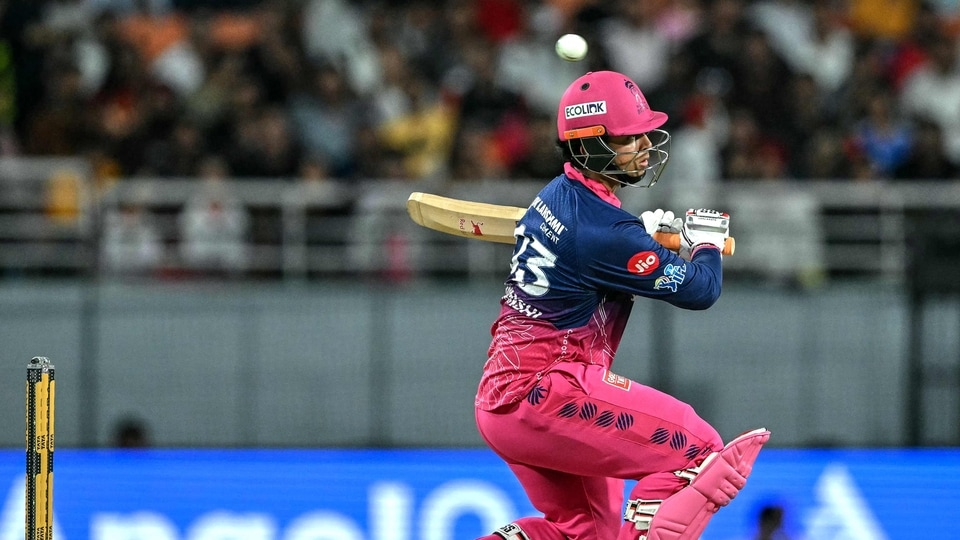
The former South Africa fast bowler, one of the most lethal red-ball cricketers the sport has ever produced, turned to social media with a message pointed directly at India's most talked-about teenager. Vaibhav Sooryavanshi, he suggested, carries a power no administrator's roadshow or broadcaster's marketing campaign can replicate: the ability to make the world's most gifted young player want to play Test cricket.
"There's no bigger advertisement for Test cricket than if Sooryavanshi tells the world his dream is to play red ball for India," Steyn wrote on X. "Our hopes sit with you, young sir."
The message was short. The weight behind it was not.

The anxiety underneath the applause
Vaibhav Sooryavanshi has arrived in franchise cricket like a thunderclap. The power-hitting, the unselfconscious audacity, the age that makes each innings feel vaguely surreal, he is already the kind of player crowds rearrange their evenings to watch. But with that visibility comes the sport's most persistent modern unease: what format does a young player of extraordinary talent truly belong to?
T20 leagues have fundamentally altered the grammar of ambition in cricket. Across the world, teenagers of genuine promise are being fast-tracked through franchise pipelines where money, visibility and global attention arrive long before a first-class hundred or a five-wicket haul in cold morning conditions. The incentive structures are no longer subtle. They are overwhelming.
Sooryavanshi's case is sharper still. The scale of attention around him, at an age when most cricketers are still in school dressing rooms, makes the question not merely biographical but symbolic. What does a player like this choose to become?
Steyn's frame
Dale Steyn's post does not condemn T20 cricket. It does something more interesting. It frames Sooryavanshi's hypothetical red-ball ambition as a declaration, almost a public act of faith in the longer format, at a moment when cricket's balance of priorities is one of the sport's defining arguments. A player this young, this hyped, publicly placing Test cricket at the centre of his ambition? That would carry more cultural weight than anything any governing body could manufacture.
The former pacer, who spent his career dismantling batting lineups across five continents in whites, chose his words with the economy of someone who understands what Test cricket actually demands. He did not lecture. He simply stated what such a declaration would mean, and left the door open for Sooryavanshi to walk through it.
What India have always asked of their best
There is a specific kind of seriousness that Indian cricket has historically reserved for the longest format. Test whites have always been the final measure of a batter's depth, not merely their power or timing, but their capacity to occupy a crease, absorb pressure across five sessions and construct something that endures.
Sooryavanshi's game, as it currently exists, has been forged in conditions designed for destruction. The question of whether that talent can be reshaped, stretched and complicated by the patience and technical demands of first-class and Test cricket is one that will define his arc. Steyn, clearly, believes it can, and believes the teenager himself has the stature to move the needle simply by wanting it.
His words place a quiet but unmistakable challenge before the boy. T20 cricket has made him visible. Red-ball cricket would make him permanent.


