
Sign in

IIT Madras study finds access to non-farm activities, irrigation a major factor to reduce migration among rural families

Published on: Jul 25, 2025 3:13 PM IST
Prefer HTPrefer HTPrefer HTon Google
AI SummaryAI Summary

IIT Madras study reveals non-farm activities and irrigation significantly reduce drought-induced migration among rural families, highlighting the importance of diversified income sources and water access for sustainable agricultural development.

Share
Share via
  • facebook
  • twitter
  • linkedin
  • whatsapp
Copy link
  • copy link

A study conducted by the Indian Institute of Technology (IIT) Madras has found that access to non-farm business activities and irrigation were major factors that reduced drought-induced migration among rural farm households.
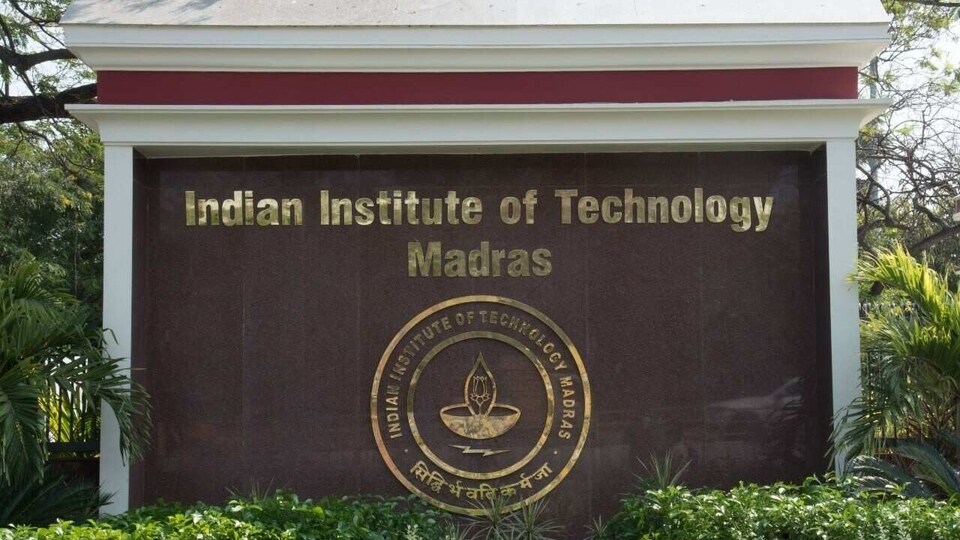
IIT Madras has conducted a study that found that access to non-farm business activities and irrigation cuts drought-induced migration among rural farm households. (File)

As per the study, there was no significant evidence of drought-induced migration among households engaged in non-farm business activities and those having access to irrigation, thus proving that participation in non-farm activities and access to irrigation do make a positive difference in the case of drought-affected rural areas, as per a press statement.

Also read: IIT Indore, Mehta Family Foundation partner to launch 2 academic schools in Sustainability and Biomedical Engineering

Dr. Sabuj Kumar Mandal, faculty, IIT Madras, and Dr. Gauri Sreekumar, Researcher at IIT Madras led the study. The findings have been published in the reputed peer-reviewed journal Indian Economic Review.

The study focuses on the impact of drought on out-migration among rural farm households in India.

In addition, the research is also based on whether participation in non-farm activities and access to irrigation make any difference.

Possible solutions suggested by the study

The study emphasised that irrigation plays an important role in out-migration for farmers. Irrigation contributes to additional water for crops, ensuring food security, stabilising agricultural productivity, and reducing cases of farmer suicide.

Efficient irrigation techniques help in improving crop production and assist in water conservation, significantly lowering households’ susceptibility to drought and promoting sustainable agriculture methods.

Also read: IIT Bombay launches certificate course in ‘Supply Chain Analytics with AI & ML,’ enrolments open; check details

The study suggests that the government can augment the rural non-farm sector through schemes such as Aajeevika Grameen Express Yojana and the Mahatma Gandhi National Rural Employment Guarantee Act.

Likewise, irrigation techniques can be boosted through schemes like the Pradhan Mantri Krishi Sinchayee Yojana.

Additionally, social membership can also play a significant role in reducing the number of migrants, the study finds. It added, the participation of households in agriculture/milk/other cooperatives, non-government organisations, credit/savings groups, self-help groups, and other such associations could check migration.

Also, farmer-based organisations and more agricultural extension services could be established by the Government.

Speaking about the study, Dr. Sabuj Kumar Mandal, Associate Professor of Economics, Department of Humanities and Social Sciences at IIT Madras, said, “Unfortunately, rural-urban migrations come with drawbacks. Although there is data to suggest that migration improves the overall well-being of families and the economy, increased rural-urban migrations lead to overpopulation in a particular region, urban poverty, violence, crime, and other societal problems. Excessive rural-urban migration also leads to a decline in rural population, thus affecting agricultural production, land use, food security, etc., which in turn affect sustainable development.”

Also read: IIT-Guwahati students protest fee rise; management says 'small group' against hike

Dr. Gauri Sreekumar, researcher at IIT Madras, pointed out that families turn to non-farm activities to reduce the risk imposed by drought. “The income earned through non-farm activities has a positive impact on households. This income is used to purchase crop and livestock inputs, improve skills and production technologies, thus increasing agricultural productivity. In turn, the income helps to prepare for disasters and compensate for any income loss.”

  • HT Education Desk
    ABOUT THE AUTHOR
    HT Education Desk

    For over a decade, the Hindustan Times Digital Streams – Education Desk has been a trusted source for accurate, in-depth, and timely news on education and careers. We bring the latest updates on board exams, competitive exams, results, employment news, study abroad, scholarships, and school and college admissions, helping students, job seekers, and educators make informed decisions. Our Coverage Areas 1. Board Exams & Results: Comprehensive reporting on CBSE, CISCE, and state board exams (UP, Bihar, Maharashtra, West Bengal, Rajasthan, Andhra Pradesh, Telangana, Karnataka, Tamil Nadu, and others), including schedules, admit cards, answer keys, results, and career opportunities. 2. Competitive Exams: Insights into major exams like UPSC, JEE, NEET, GATE, CAT, SAT, and state and central government services. Exam Results: Timely updates on UPSC, SSC, SBI, IBPS, NTA, IIMs, and other competitive exam results. 3. Employment News: Notifications on government and private sector jobs, vacancies, eligibility, application processes, and results. 4. Study Abroad: Information on top universities, courses, tuition fees, scholarships, visa regulations, and career prospects for international students. Features & Analysis: Opinion pieces, expert explainers, deep-dive reports, and interviews with key figures in education. 5. Breaking Education News: Real-time updates on major policy changes, institutional reforms, and trends shaping the education sector. 6. With a commitment to factual, unbiased journalism, HT Digital’s Education Desk has seen continuous growth in readership, offering credible and engaging content tailored for students, parents, and professionals. Meet the Team 1. Nilesh Mathur – News Editor A journalist with 24 years of experience, including 18+ years at Hindustan Times, Nilesh leads editorial planning, ensures factual accuracy, and enhances audience engagement through strategic content. 2. Papri Chanda – Deputy Chief Content Producer With over a decade of experience in education journalism, Papri specializes in exam-related content, study abroad insights, and education trends. She also explores new opportunities in education that benefit students. 3. Bishal – Senior Content Producer Active in the education and jobs sector since 2019, Bishal focuses on tracking developments, analyzing trends, and crafting informative content for students and job aspirants. 4. Gaurav Sarma – Deputy Chief Content Producer A multimedia journalist with 9+ years of experience, Gaurav is skilled in research-based storytelling, feature writing, and reporting on competitive exams, online courses, and education trends. At Hindustan Times Digital Streams – Education Desk, we strive to be the go-to platform for students and professionals navigating the dynamic world of education and careers.Read More

Get latest updates on NIRF Ranking along with Education and updates on other Board Exams and Competitive Exams at Hindustan Times. Also get latest Job updates on Employment News.