
 E-Paper



LGB likely to face mental trauma, engage in substance abuse: Study

 Prefer HTon Google


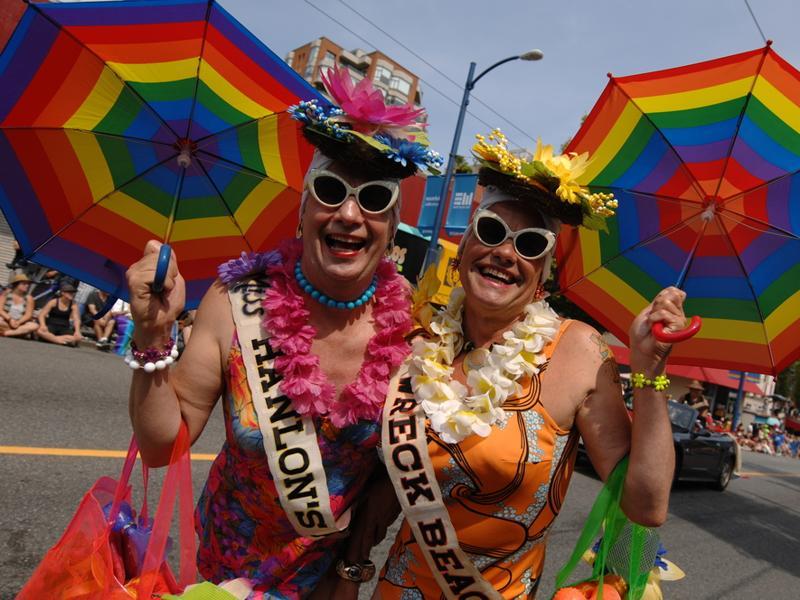
As the members of the LGB community are usually discriminated against, they are more vulnerable to experiencing psychological distress and engage in unhealthy behaviours, finds a new study.
As the members of the LGB (Lesbian Gay Bisexual) community are usually discriminated against, they are more vulnerable to experiencing psychological distress and engage in unhealthy behaviours, finds a study published on Monday.
The study in the US medical journal JAMA Internal Medicine analysed the results of the 2013 and 2014 National Health Interview Survey, which for the first time included a question on sexual orientation.
“Findings from our study indicate that LGB adults experience significant health disparities — particularly in mental health and substance use — likely due to the minority stress they experience as a result of their exposure to both interpersonal and structural discrimination,” the study said.
Read: LGBT celebs move SC against Sec 377, say sexual preferences a right to life
The analysis showed that 40.1% of bisexual men and 25.9% of gay men reported moderate or severe levels of psychological distress, compared to 16.9% of heterosexual men.
Heavy drinking was reported by 10.9% of bisexual men, compared with 5.7% for heterosexual men and 5.1% for gay men.
Rates of heavy smoking were also highest among bisexual men at 9.3%, compared to 6.2% for gay men and 6% for heterosexual men.

Among women, 46.4% of bisexuals and 28.4% of lesbians reported moderate and severe psychological distress, compared with 21.9% of heterosexual women.
Bisexual women also had the highest rates of heavy alcohol consumption, 11.7%, compared with 8.9% for lesbians and 4.8% for heterosexual women.
Heavy smoking was most prevalent among lesbian women at 5.2%, followed by bisexual women at 4.2%. The rate among heterosexual women was 3.4%.
Read: New York LGBT bar becomes first US monument to gay rights
The negative findings for bisexual adults may be linked to their “marginalization” by heterosexuals and “stigma” from gays and lesbians, according to the study, led by Gilbert Gonzales of Vanderbilt University.
JAMA Internal Medicine Deputy Editor Mitchell Katz wrote in an editor’s note that it’s important for medical professionals to ask patients open-ended questions.
“For example, asking a new patient whether he or she has sex with men, women or both indicates openness and acceptance,” he said. “In caring for people who have experienced bias and discrimination, support is a very potent medicine.”
The study compared responses from 525 lesbian, 624 gay and 515 bisexual adults with those of 67,150 heterosexual peers. The average age of participants was nearly 47.
Follow @htlifeandstyle for more.


