
 E-Paper



Urine ‘sniffing’ test could replace biopsies for prostate cancer

 Prefer HTon Google


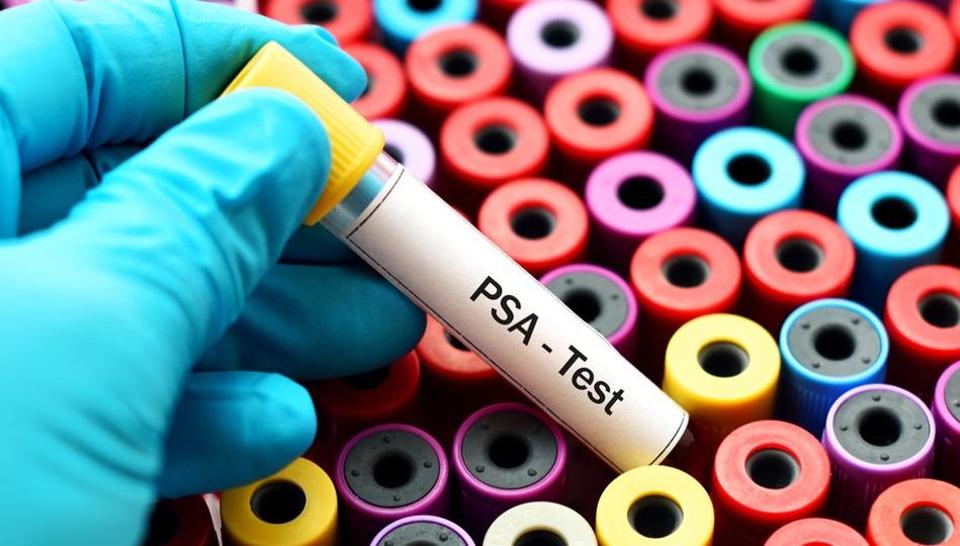
The screening test that doctors currently use is widely recognised as flawed and often leads to unnecessary biopsies.
A test that “smells” prostate cancer from urine samples could soon help prevent unnecessary biopsies to detect the onset of the disease, suggests new research.
Thousands of men who undergo the uncomfortable biopsy procedure, prompted by a positive PSA (prostate-specific antigen) test, ultimately do not require cancer treatment.
The new test, being developed by researchers at Institute of Indiana University-Purdue University Indianapolis (IUPUI) in the US, may help do away with the unnecessary biopsies in the near future.
The researchers have identified the molecules likely responsible for the scent of prostate cancer, which could be detected by chemically “sniffing” urine.
The findings are scheduled to be presented at the 253rd National Meeting & Exposition of the American Chemical Society (ACS) being held at San Francisco, California, from April 2 to 6.
“The idea for this project started with a study published in 2014 showing that trained canines could detect prostate cancer with greater than 97% accuracy,” said Mangilal Agarwal, the project’s Indian-origin principal investigator.
When the prostate cancer study appeared in the Journal of Urology, Agarwal’s lab set out to determine what molecules the dogs might be sensing.
“If dogs can smell prostate cancer, we should be able to, too,” one of the researchers, Amanda Siegel, said.
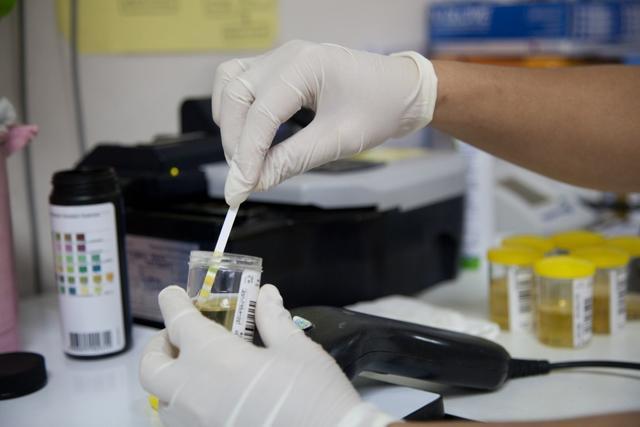
To determine which molecules wafting from urine could indicate prostate cancer in a patient, the researchers collected urine samples from 100 men undergoing prostate biopsies.
To avoid issues that similar studies have had with sample degradation, Agarwal’s team developed a pre-processing step to ensure the samples would remain intact during the analysis.
Then, they used gas chromatography-mass spectrometry to identify the volatile organic compounds floating in the “headspace” above the urine samples.
With this method, the researchers pinpointed a small set of molecules that showed up in 90% of the samples from patients with prostate cancer but not in samples from those who did not have the disease.
The researchers said their test could become available to patients and doctors within the next few years.
The screening test that doctors use now to determine whether to perform a biopsy assesses PSA levels in a blood sample. The prostate gland normally produces this protein in small amounts.
Increased levels, however, can indicate many different conditions besides cancer, including prostate infection. As a result, the test is widely recognised as flawed and often leads to unnecessary biopsies.
Follow @htlifeandstyle for more.


