
 E-Paper



Chia seeds vs Sabja seeds: Which is better for weight loss? Dietician explains the difference and best way to eat them
Chia and sabja seeds are both healthy for the body because of fiber and antioxidants. However, when it comes to weight loss, what's better?

 Prefer HTon Google


Seeds may be small, but they are superfoods with big health benefits. Two such varieties are chia seeds and sabja seeds or basil seeds. These are also called ‘gel seeds’ because they both develop a gelatinous, mucilaginous coating when soaked in liquid. This process happens due to the high levels of soluble fiber in the seeds. Known for their versatility in being used as a topping for smoothies to drinks, both these types of seeds are low-calorie additions that can help with appetite control, blood-sugar stability, and gut health that are useful for weight loss, when paired with a workout.
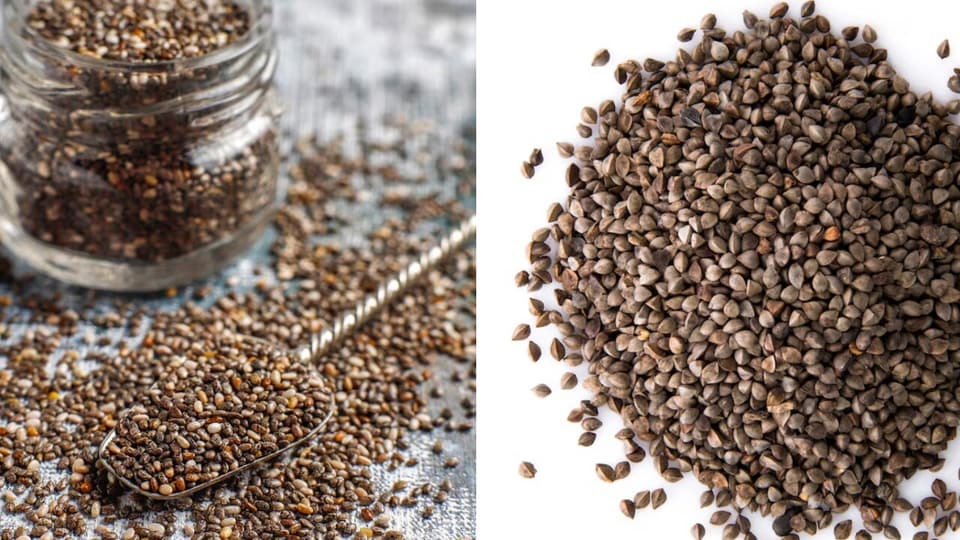
Pooja HN, Clinical Dietitian at Fortis Hospital, Bengaluru, tells Health Shots: “When it comes to weight loss and losing belly fat, sabja seeds and chia seeds are both helpful. But they work in slightly different ways. Sabja seeds swell quickly when soaked and create a feeling of fullness that helps reduce cravings and prevents overeating. They also help cool the stomach, reduce acidity, and relieve bloating, which many people mistake for belly fat.”
"Chia seeds, on the other hand, are richer in fiber and healthy omega-3 fats, which support better metabolism and help the body burn fat more effectively. For a long-term result, chia seeds have a slight edge, as they benefit the body due to their high fiber content, while sabja seeds are more effective for appetite control and managing post-meal discomfort."
Nutritional value of sabja seeds
As per scientific research platform ScienceDirect:
- Basil seeds are rich in fiber (36.30 %) and lipids (33.01 %).
- It contains abundant alpha-linolenic acid (71 %), vital for cognitive wellness.
- The storage protein (9.40 %) makes it an excellent option for plant-based diets.
- Basil seeds are rich in phenols (18.24 mgGAE/g) and flavonoids (0.525 mgQE/g).
Nutritional value of chia seeds
As per the journal by the Research Journal of Pharmacy and Technology, chia seeds are:
- Rich in dietary fiber (18–30%), protein (20.7%), lipids (40%), and fat (30.47%).
- Contain essential amino acids like leucine, arginine, lysine, tryptophan, and glutamic acid.
- A good source of minerals such as calcium, phosphorus, and potassium.
Weight loss benefits of chia seeds and sabja seeds
- Increase satiety: Chia seeds reduce the calorie intake due to their ability to get swollen in water, which gives a sense of fullness.
- Improve gut health: Both chia seeds and sabja seeds benefit the digestive system and improve bowel movement, which indirectly leads to fat loss, says the nutrition expert.
- Reduce inflammation: These may also remove or reduce inflammation in the body, which plays a role in cutting excess fat.
Despite the health benefits, these seeds are not a quick fix. Sustainable weight loss requires balanced diet choices, regular exercise, and good sleep, says Pooja HN.
Practical dosage
If taking chia seeds, 1–2 tablespoons (10–20 g) daily is common. You can soak them in water/yogurt/juice (1:6 ratio or so) for ~10–20 minutes, add them to smoothies or oats, or make chia pudding.
Whereas, if you go for sabja seeds, take a smaller amount and soak them for 10–15 minutes before use in drinks or desserts. Start small to assess tolerance.
Who should avoid?
People with digestive issues, kidney problems, or those on medication should consult a doctor before consuming these seeds regularly. A sudden increase in fiber can cause bloating, gas, or constipation. So, it may be advisable to stay hydrated, and also consult your nutrition expert before making any addition to your diet.
Best time to eat
Morning and before meals works best for the intake of chia seeds, as it will keep your stomach full. You may have them 15-20 minutes before meals.
Before lunch or in the evening works best for the intake of sabja seeds, as it will help in managing acidity and aids digestion.
Frequently asked questions (FAQs)
1. Who cannot consume chia seeds?
People who are allergic to sesame or mustard seeds, those taking blood thinners or blood pressure medication, and individuals with digestive issues or kidney problems should avoid taking chia seeds.
2. How to eat sabja seeds?
You can soak them in water/yogurt/juice (1:6 ratio or so) for ~10–20 minutes, add them to smoothies or oats, or make chia pudding. Whereas, take a smaller amount of them.
3. Does chia expand in your stomach?
Yes, they do. Intake of chia seeds will give you the feeling of fullness for many hours.
4. Is sabja hot or cold for the body?
Sabja seeds provide a cooling effect, making them highly beneficial for hot weather.
(Note to readers: This article is for informational purposes only and not a substitute for professional medical advice.)

Catch your daily dose of Fashion, Health, Festivals, Travel, Relationship, Recipe and all the other Latest Lifestyle News on Hindustan Times Website and APPs.


