
 E-Paper


How to pick, preserve and repurpose your Diwali flowers
From floral rangolis to vase arrangements, here’s how to extend the life of your Diwali blooms and put them to use after the celebrations.

 Prefer HTon Google


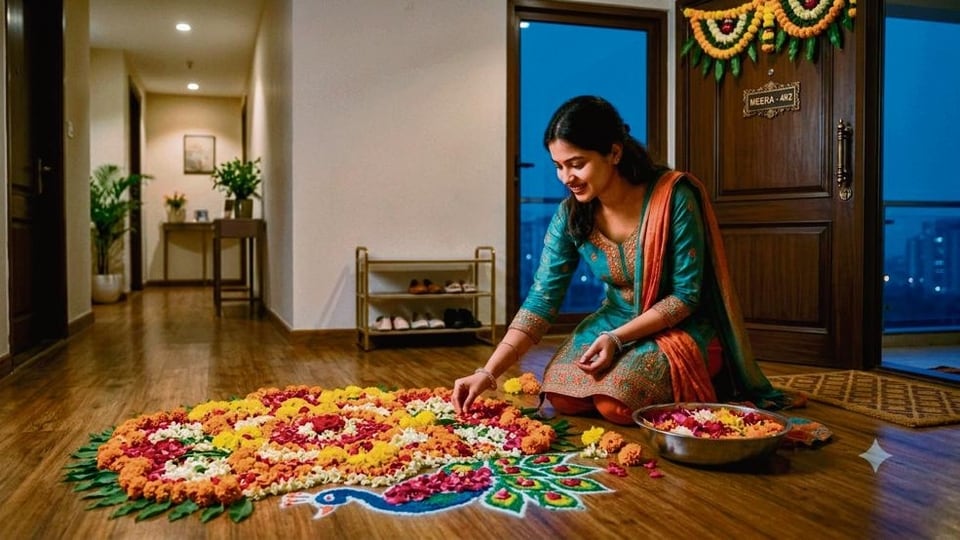
From marigold torans at the entrance to rose petals in rangolis and flowers floating in decorative bowls, fresh blooms are an integral part of Diwali decor. But with the festivities often stretching over several days, keeping them looking fresh can be a challenge. Choosing the right varieties, storing petals carefully and protecting arrangements from heat can help extend their life. And once the celebrations are over, there are ways to ensure discarded flowers don't simply end up in the bin. Experts share how to make the most of your festive blooms.
What flowers to pick
Not all flowers have the same shelf life, so choosing the right blooms can make a difference to how long your festive decorations last.
Home decor and sustainability content creator Sandip Mondal recommends six flowers for Diwali decor.
- Marigold: Lasting around one to two days, they are ideal for entrance torans, ceiling hangings, table decorations and rangoli borders.
- Chrysanthemum: With a lifespan of approximately three to five days, these are a good choice for flower bowls, rangolis and table centrepieces.
- Roses: Lasting around two to four days, they work well for petal rangolis, floating flower bowls and elegant table arrangements.
- Rajnigandha: These last approximately three to five days. Their fragrance makes them suitable for hanging arrangements and entrance decor. Keep the stems in water.
- Gerbera: Lasting around five to seven days when kept in clean water, these are ideal for colourful, contemporary arrangements.
- Lotus: These generally last one to two days and are a traditional choice for Diwali decoration, particularly around the puja area.
How to ensure freshness
A little care can go a long way in keeping flowers looking fresh, whether they are being used in a rangoli or displayed in a vase. Home decor content creator Neetu Jakhar shares easy tips.
Floral rangoli
- Refrigerate the petals: Store loose marigold and rose petals in an airtight container lined with dry tissue paper. Avoid packing them while wet.
- Remove damaged petals: Pick out brown, damaged or decaying petals immediately to prevent them from affecting surrounding flowers.
- Choose breathable baskets: Instead of plastic or steel trays, use bamboo baskets lined with a slightly damp cloth or paper towel to allow air circulation.
- Prepare rangolis closer to the celebration: Ideally, make floral rangolis closer to the time they are needed to retain the flowers’ freshness. Mist them throughout.
Vase arrangements and home decor
- Keep garlands moist: Wrap the ends of garlands in damp cotton to retain moisture.
- Trim the stems: For vase arrangements, cut around 1–2 cm from the bottom of rose and Rajnigandha stems diagonally before placing them in clean water. Spray flowers with a little clean water if they begin to look dehydrated. Avoid soaking the petals.
- Keep arrangements cool: Keep flowers away from direct sunlight, kitchen heat, candles, diyas and fans, as heat can cause them to wilt faster.
- Keep vase water cool: Add a few ice cubes to the water to help keep it cool.
How to discard floral waste
Give your celebrations an eco-friendly spin. Once the celebrations are over, avoid mixing used flowers with general household waste. You can use them as natural garden mulch to protect your potted plants and small garden beds. Or you can also use them in dry arrangements in vases.
Hyderabad-based Ritika Chawla, a climate educator and zero-waste advocate, suggests three ways to manage floral waste:
- Send them for processing: Organisations such as HolyWaste and Phool collect discarded flowers and turn them into products such as agarbattis and dhoop. Ensure the collected waste contains only flowers. Remove plastic, threads, packaging and other non-biodegradable materials before handing over. Additionally, you can also make dhoop at home.
- Make natural colours: Dry used flowers and repurpose them to make natural colours for rangoli, fabric dyes or even Holi celebrations.
- Compost them: Flowers can be composted at home or sent to larger processing facilities.


