
 E-Paper



Navratri fasting: How to get enough protein and avoid feeling weak
To keep your stamina up, experts share how to rebuild your fasting plate, hit your daily protein targets, and stay energised without breaking fasting rules

 Prefer HTon Google


Fried potatoes, sabudana khichdi, and kuttu puris usually dominate Navratri fasting plates. While these carb-heavy staples give a quick burst of energy, relying on them for nine days straight often leads to the dreaded mid-fast slump.
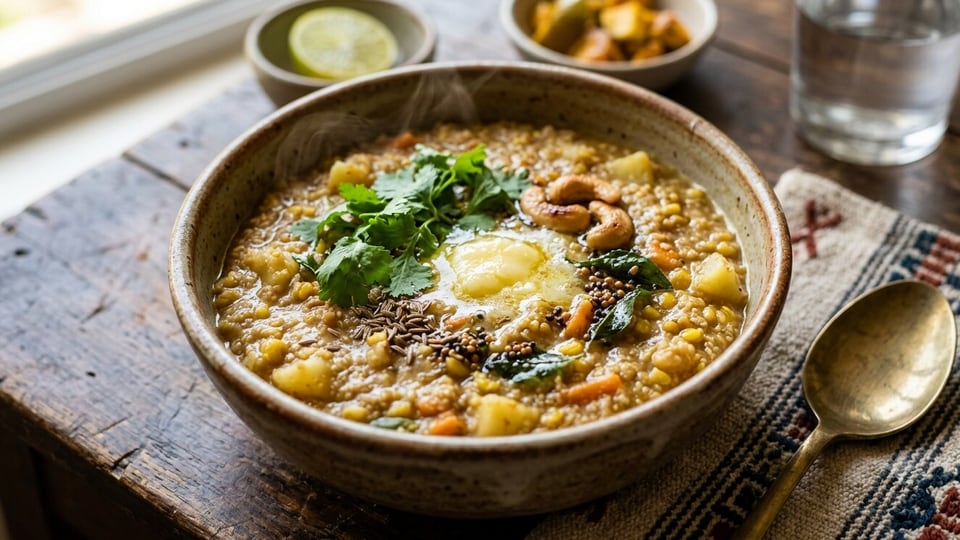
To keep your stamina up, nutrition experts share how to rebuild your fasting plate, hit your daily protein targets, and stay energised without breaking fasting rules.
Rebuild your plate
The easiest fix is swapping or pairing fast-approved carbs with protein-dense alternatives:
Swap sabudana for amaranth (rajgira): Sabudana is almost purely carbohydrates. Mumbai-based clinical nutritionist Prachi Mandholia suggests switching to rajgira instead: "Opt for rajgira as it's a good protein source too, and pair it with curd or paneer rather than eating a large bowl on its own."
Combine food groups: "Pair permitted protein sources like milk, curd, paneer, and nuts with vegetables, fruits, and moderate portions of carbs," says Samiksha Kalra, Consultant - Nutrition and Dietetics at Madhukar Rainbow Children’s Hospital.
Upgrade your evening snack: Instead of reaching for potato chips or vrat namkeen, Mandholia recommends a yoghurt parfait made with curd, fresh fruit, nuts, and seeds.
Fasting protein math: How much do you need?
As a general rule, a healthy adult needs about 0.8 grams of protein per kilogram of body weight each day—roughly 48 grams for someone weighing 60 kg.
"Protein requirements depend on age, activity level, and medical history," explains Dr. Manisha Arora, Director of Internal Medicine at CK Birla Hospital, Delhi. "For a healthy 60kg adult, 48 grams is a solid baseline, not a rigid prescription."
Kalra notes that spacing this out across your day is key to staying full: "Try milk at breakfast, curd with lunch, nuts for a snack, and paneer at dinner."
Hitting the day 4 energy slump?
If you feel weak or lightheaded by the middle of the fast, don't automatically blame a lack of protein.
"Weakness during a long fast often stems from dehydration, sudden calorie drops, low blood pressure, or electrolyte imbalances," says Dr Arora.
How to stay energised naturally:
Pace your meals: Pair protein with carbs at every meal to avoid sharp blood sugar spikes and crashes.
Practice the 80% rule: "Eat until you're about 80% full," advises Mandholia. "Starting meals with fresh cucumber slices—if permitted in your household—adds instant hydration and fiber."
Keep liquids flowing: Sip on water, coconut water, or fresh buttermilk throughout the day to replenish electrolytes.
Sample 50g protein fasting day
(Menu curated by Prachi Mandholia)
Breakfast: 1 bowl samak upma + 150ml almond milk
Lunch: 100g stir-fried homemade paneer with permitted vegetables
Evening Snack: Yoghurt parfait (yoghurt, blueberries, walnuts, pumpkin seeds)
Dinner: 1 bowl rajgira khichdi + 1 bowl curd (or 75g paneer)
Medical note: Fasting isn't one-size-fits-all. Dr Arora advises anyone with diabetes, kidney disease, or chronic health conditions to consult their physician before undertaking a 9-day fast, as medication schedules and dietary restrictions may need adjustments.


