
 E-Paper



3 villages this Maharashtra district want to be excluded from drought-hit list
Villagers from Arjuni Moregaon, Sadak Arjuni and Goregaon argue that the classification has restricted irrigation water supply.

 Prefer HTon Google


While politicians and farmers have been pressing for their areas to be included in Maharashtra’s drought-hit list, residents of three talukas in the state's Gondia district have demanded their exclusion.
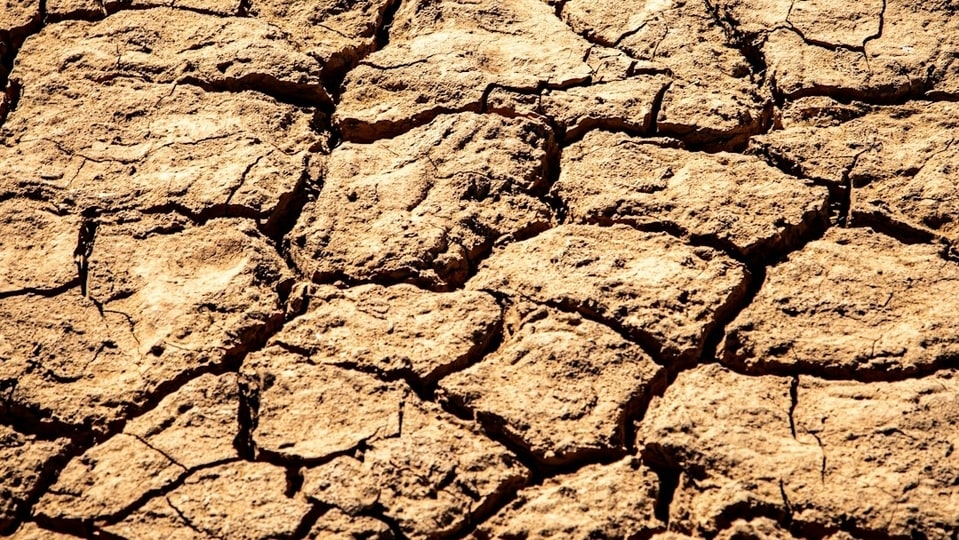
Villagers from Arjuni Moregaon, Sadak Arjuni and Goregaon argue that the classification has restricted irrigation water supply and could aggravate human-wildlife conflict.
Farmers, their organisations and villagers have written to the district collector seeking the removal of their talukas from the list of 304 drought-hit talukas. Some villages have passed resolutions in their gram sabhas supporting the demand, while farmers have submitted representations to the administration.
Villagers flag water cuts, curbs affecting crops
The villagers contend that although the drought-hit classification brings several benefits and concessions, it also entails water cuts and restrictions that affect rabi cultivation. Restrictions imposed by the district administration on releases from dams have, they say, left canals supplying water for rabi and summer crops dry. Paddy is the principal crop in Gondia and a major source of income for farmers. Residents have also expressed concern that water shortages in forests could drive wild animals into villages.
“Human-wildlife conflict is a major problem in our area. Wild animals have already started entering human settlements. With restricted water flow in the canals and vegetation drying up, they will increasingly venture out of the forests in search of water and food,” said Lalit Balbodhe, president of the Annadata Dhan Utpadak Sanghtana.
Willing to forgo benefits if irrigation supply restored
Balbodhe said farmers had informed the district administration that they were willing to forgo the benefits announced for drought-hit areas if irrigation supply was restored.
“We have been unable to cultivate rabi crops, particularly paddy, because of restrictions on water releases from dams. This is a major loss for farmers. We do not even want the cash assistance of ₹5,000 announced by the government, as our losses from being unable to grow rabi crops exceed the benefits offered. We met our guardian minister, Indraneel Naik, and submitted a memorandum seeking exclusion,” he said.
Villagers claim that their talukas received excess rainfall and that dams overflowed during the monsoon. “We have sufficient water, and there was no need to include these three talukas in the drought-hit list. They were added in the second phase, after the initial list of 265 talukas. The classification has adversely affected farming, particularly the cultivation of paddy, wheat and chana. Several villages have passed resolutions seeking exclusion,” said Gangadhar Parshuramkar of the Kisan Sanghtana.
With drought conditions expected to worsen following deficient monsoon rainfall, the state government last month directed district administrations to strictly monitor water use. Urban and rural local bodies were instructed to impose a minimum 10% water cut from October 16, 2026.
The directions require reservoir water to be reserved for drinking needs until August 31, 2027, along with an additional 10% emergency buffer. Irrigation releases are permitted only after drinking-water, livestock and fodder requirements have been met, with priority given to rabi foodgrains and fodder over other crops. Industries have been directed to reuse or recycle at least 30% of their water, while treated wastewater is to replace fresh water for gardening, construction and washing.
At some dams, water has been reserved exclusively for drinking, leaving no canal supply for rabi crops. Irrigation releases have also been restricted in several districts, except in unavoidable circumstances. Authorities have been directed to act against unauthorised withdrawals from dams, rivers and canals.
As many as 32 of Maharashtra’s 36 districts are facing drought conditions following deficient rainfall. Although the government has extended 12 benefits and concessions to 304 drought-hit talukas, restrictions on irrigation supply have affected farming even in areas that received adequate rainfall.
“Some of the 39 talukas added on October 28 to the initial list of 265 were included under political pressure. Even two talukas in Nanded were included despite not meeting the criteria,” said an official from Mantralaya.
Resident deputy collector Bhayyasaheb Behere said, “We have received the memorandums and an appropriate call will be taken.”


