
 E-Paper



Deficient monsoon makes farmers edgy about sowing, all eyes on July rains
From Maharashtra and Madhya Pradesh to Rajasthan and Gujarat, farmers ruined by a devastating drought are still edgy about sowing, despite resounding forecasts of a surplus monsoon.

 Prefer HTon Google


From Maharashtra and Madhya Pradesh to Rajasthan and Gujarat, farmers ruined by a devastating drought are still edgy about sowing, despite resounding forecasts of a surplus monsoon.
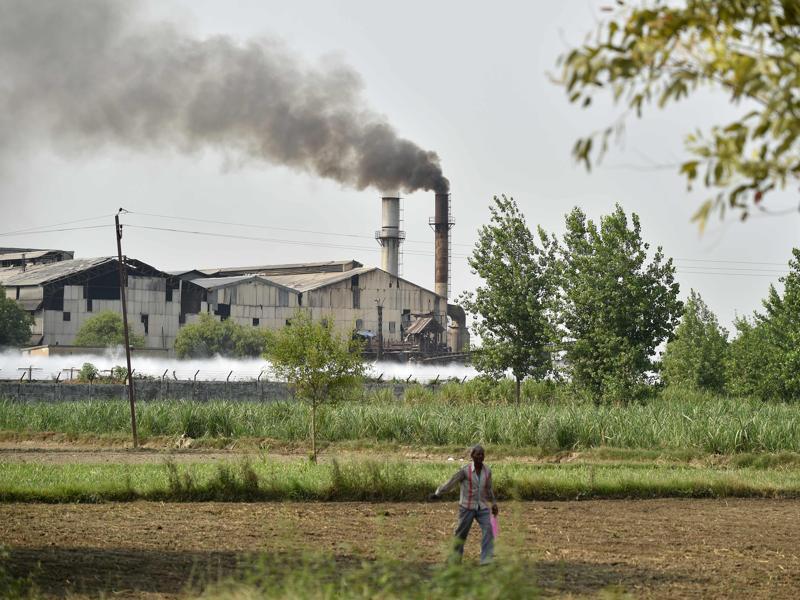
Planting of major crops is 24% lower than what was sown by this time last year. Even state governments are treading cautiously. Maharashtra, for instance, had asked farmers to hold back sowing till June 18.
Till now, the monsoon has been 16% deficient, which means it has to cover a lot of ground in July. Reservoir levels are still barely 15% of their storage capacity.
Cotton-grower Ashok Barambe from Maharashtra’s Vidarbha is still weighing his options. Shaken by the crisis that pushed him back into grinding poverty, the farmer has decided to ditch cotton after many years, unwilling to take chances with a rain-guzzling crop. “I don’t trust weather forecasts anymore. What is the guarantee?” he told HT over the phone.
Sowing data until June 24 indicate how India’s worst water shortage in years has altered farmer choices in bigger states such as Madhya Pradesh and Gujarat, which have a bigger share in pulses, oilseeds, coarse cereals and cotton output.
Cotton sowing has fallen 46%, while oilseeds are tracking 34% lower than last year’s levels at this time. “It’s not late yet, but we are waiting for sufficient rains,” said Surya Dev Bareth from Rajasthan’s Alwar.
But the silver lining is that two back-to-back bad seasons have forced farmers to be innovative. “There is obviously crop diversification this year. Farmers seem to prefer other crops to cotton. They are hedging risks,” said CK Jani, a farm expert. Jani clarified he was speaking in his personal capacity and not as an office-bearer of the Cotton Association of India.
Experts say July rainfall is predicted to make good June’s shortfall. “We are not worried, as July rains matter more for crop output and they are forecast to improve. We expect kharif production growth to rise to 3.2% in 2016 compared to minus 3.2% in 2015,” said Sonal Varma, an economist with the Nomura group.
Yet Vinod Yadav, a farmer from Bundelkhand region, wants to see good rainfall to believe the national forecast. “We will wait till July 5. If it rains, sowing will not be too late for us,” he said.
Last year’s whitefly pest attack due to rainless humid conditions has also dented confidence in cotton. Even in pulses, sowing has been down 20% from last year’s levels for June-end.
Region-wise, central India got rains 30% below the normal level, while the deficit in the Northeast was 24%. South India received normal rainfall.
All eyes are now on July. “Continuous drought has taught farmers a very hard lesson. Everybody has become conscious about water conservation. We are sure about a very good harvest because July is going to be very good,” a senior farm ministry official said.
(With inputs from Jaipur, Bhopal and Lucknow)


