
 E-Paper



Defence ministry initiates reforms to ease Indian industry access to foreign markets
Defence ministry reforms aim to simplify export procedures, widen OGEL access and help Indian defence firms enter global markets faster

 Prefer HTon Google


The defence ministry on Friday said it has initiated reforms to streamline procedures and ease access for Indian industry to foreign markets as it steps up efforts to boost the country’s defence exports.
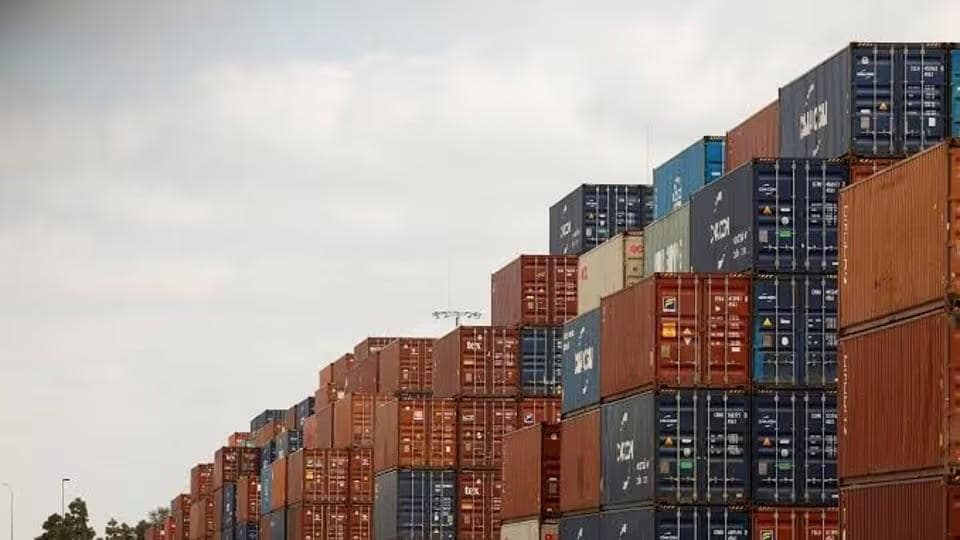
The department of defence production has undertaken a comprehensive set of reforms to simplify the defence export standard operating procedure and the Open General Export Licence (OGEL) framework, it said. India has set a target of achieving ₹50,000 crore in defence exports by 2029-30.
The OGEL is a standing, one-time authorisation that enables eligible exporters to self-generate export authorisations for multiple consignments of specified defence items, without seeking a separate authorisation for each consignment. It provides greater flexibility while reducing repetitive procedural requirements.
Also Read: Indian industry must wake up to new order
“These reforms seek to reduce procedural requirements, facilitate faster access to international markets and enable Indian defence companies to respond more effectively to global business opportunities, while ensuring that national security considerations remain fully safeguarded,” defence minister Rajnath Singh said.
Export rules eased to speed up global market access
The defence ministry explained how the defence export SOP has been simplified.
Firstly, stakeholder consultation has been dispensed with for exporting non-lethal defence items to most destinations, while appropriate safeguards remain for sensitive countries. Secondly, stakeholder consultation has also been dispensed with for exporting all items for international tenders and exhibitions, enabling Indian companies to showcase their products and pursue international opportunities more expeditiously.
Three existing OGEL SOPs—covering major platforms and equipment, parts and components, and intra-company transfer of technology—have been consolidated into one unified framework, providing exporters with a common and simpler structure, the ministry said. Also, OGEL validity has been increased from two to three years, reducing the frequency of renewals and associated compliance requirements. Its coverage has been expanded from 41 to all countries, except negative or sensitive nations and those facing UN Security Council sanctions or arms embargoes.
Also Read: India to get American artillery munitions, anti-tank missile system
OGEL validity extended, coverage widened to most countries
“The range of items covered under OGEL has been expanded, providing greater flexibility to eligible exporters.” The revised framework also permits civil end-use exports of specified parts and components of small-calibre arms and protective equipment, further broadening legitimate international business opportunities.
“The reforms move India’s defence export regime towards a more comprehensive and facilitation-based system, reducing routine procedural requirements while retaining appropriate safeguards for sensitive items, technologies and destinations. The measures are expected to particularly benefit Indian defence manufacturers, including MSMEs, by enabling them to respond more quickly to international tenders and exhibitions, access wider global markets and reduce repetitive authorisation requirements,” the ministry said.
Also read: ₹100.92-cr infra boost: Rajnath to lay foundation for 12 Lucknow Cantt projects on August 30
With defence production reaching an all-time high of ₹1.78 lakh crore and defence exports standing at ₹38,424 crore in FY 2025-26, these reforms further strengthen the momentum of India’s defence manufacturing and export ecosystem, it added.


