
 E-Paper



Indian cities should embrace skyscrapers
Local rules prevent their construction. Hyderabad shows why that’s silly


 Prefer HTon Google


DONALD TRUMP’S popularity may be plummeting in America and around the world, yet India’s appetite for buildings bearing his name remains undiminished. This month a local developer licensing the Trump name announced the details of the latest such project. Promising “every comfort, convenience and indulgence” and spread across two towers of 65 storeys each, it will be the country’s largest Trump-branded property. But those who are expecting to find this monument to the tastes of India’s new rich in high-rise Mumbai, brand-obsessed Delhi or tech-fuelled Bangalore will be disappointed. The home of the newest Trump towers is, surprisingly, Hyderabad.
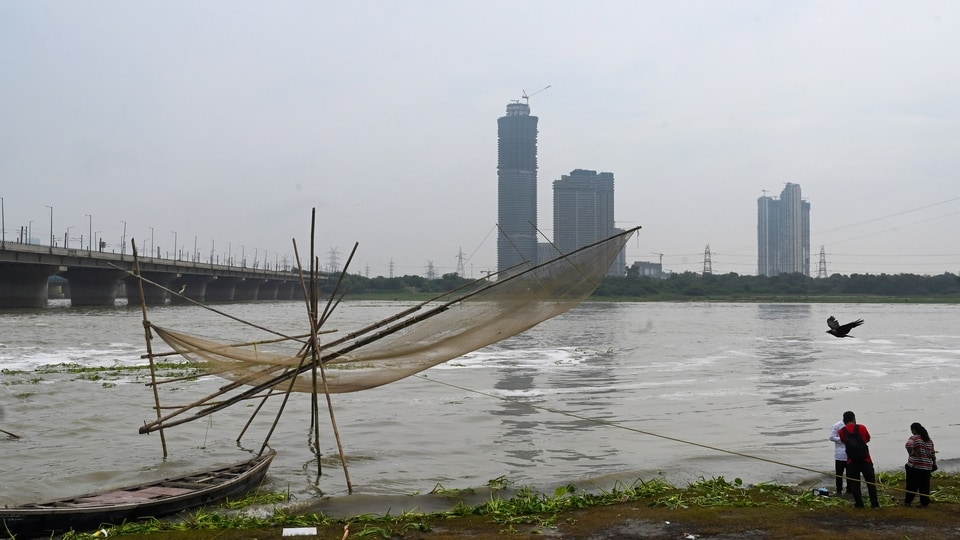
The capital of the wealthy southern state of Telangana, Hyderabad is little known outside India. Domestically its reputation rests on its distinct culture (it serves as a meeting point for north and south India), wonderful cuisine (it produces the best biryani known to humanity, no matter what those misguided souls in Lucknow tell you) and thriving tech industry (Google, Microsoft and Amazon all have huge offices there). It is not famous for skyscrapers. Yet it has more of them than any Indian city bar Mumbai, which was forced into vertical growth by its island geography.
How did the country’s sixth-most populous city build its second-largest concentration of tall buildings? It got out of the way. Near the top of the long list of things holding India’s cities back is something called “floor space index” (FSI), or the ratio of permissible built-up area to land area. In successful Asian cities like Singapore, FSI is set as high as 25, meaning that for every square foot of land, a developer can build up to 25 square feet of tower. In India local authorities worried about meagre civic infrastructure set the number somewhere around 2. It rarely exceeds 4. The central government’s latest economic survey describes restrictive FSI as a distortion responsible for urban low-rise sprawl. Worse, the finance ministry’s economists write, it “raises land values and creates artificial scarcity in core urban areas”. Hyderabad, unique among India’s cities, abolished FSI in 2006.
And then, miraculously, life went on. NIMBYs foretell all sorts of doom the moment anyone talks about building anything. They warn of Gothamesque ghettos with gridlocked streets, dry taps and overflowing sewers. Nonsense. Today tall residential blocks line the highways in Hyderabad’s western suburbs and traffic still flows faster than in most major Indian cities. Dozens more towers, including the Trump ones, are sprouting in a neighbourhood called Kokapet that was not long ago full of custard-apple orchards and is now a forest of construction cranes.
There are two reasons Hyderabad has not descended into dystopia. One is its 160km-long orbital motorway, the first bit of which opened in 2008 and is now an arterial road in the new skyscraper belt. The other is that abolishing the arbitrary cap on FSI did not mean the abandonment of all rules. Regulations concerning minimum street widths and required setbacks still apply. Aviation authorities impose restrictions around air-traffic funnels. The effect is that developers can only build high if they have a large enough plot next to a wide enough street somewhere far enough from an airport. Markets decide the rest. The cost of construction rises with height, so a builder’s decision about how much to pay for land and how tall to go rests on whether potential buyers of flats will cough up enough to make the project profitable. That has prevented a housing bubble.
The lesson for other Indian cities is not “abolish FSI”—or not just that, at any rate. It is that civic administrators should think about what purpose their cherished rules serve, and whether better designed policies can achieve those goals. Hyderabad’s stewards—across parties and across decades—had the uncommon wisdom to anticipate both the problems and the opportunities breakneck growth would bring, and to plan accordingly. The results are plain to see. Mumbai is in the midst of an infrastructure boom but one that its residents and businesses agree should have happened half a century ago. Delhi’s now-decades-old metro transformed the city. Bangalore, India’s foremost tech hub, is still an embarrassing morass of ugly sprawl, poor roads and interminable commutes. Hyderabad, which covets its tech crown and is rare in having planned ahead, is a sleek, modern city that looks like Bangalore should.


