
 E-Paper



Will seek regulations on tattooing amid health concerns: Minister
The Karnataka food safety department has also raised concerns over the use of polythene sheets in idli preparation at several restaurants.

 Prefer HTon Google


The Karnataka health department is set to write to the Union health ministry to introduce regulations on tattooing, including licencing requirements for tattoo artists and studios. The move comes after findings revealed harmful heavy metals in tattoo inks being used in the state, officials aware of the matter said on Friday.
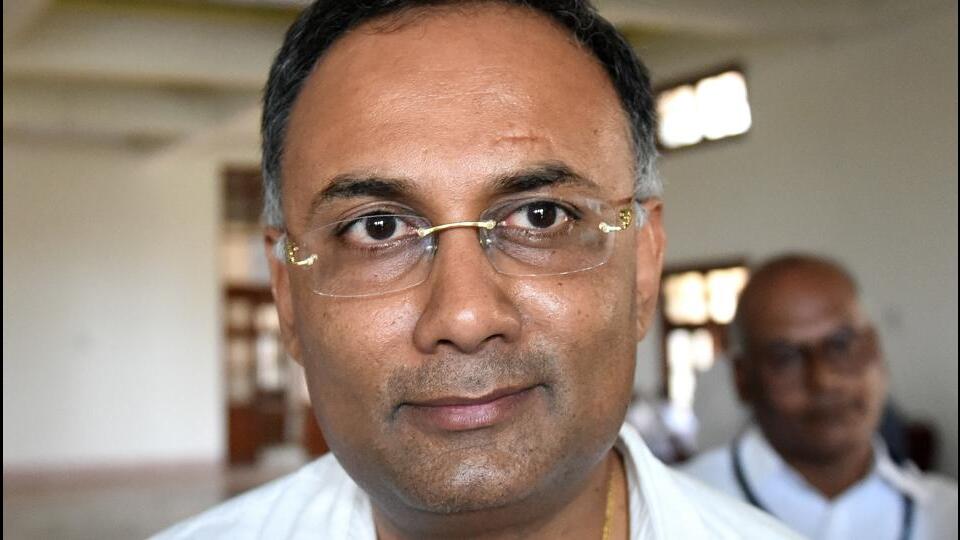
Meanwhile, the Karnataka food safety department has also raised concerns over the use of polythene sheets in idli preparation at several restaurants.
Addressing a press conference on Friday, health minister Dinesh Gundu Rao said that currently, tattooing operates without formal oversight. “There are no existing rules regulating tattoo inks, which may contain harmful substances. Once introduced into the skin, these inks can carry bacteria, viruses and fungi,” he said.
To address this issue, Rao has directed the food safety commissioner to formally request national-level regulations. “We are asking the food and drug control commissioner to take up this matter with the Centre. Various unregulated materials are being injected into the body, yet they do not fall under the Drugs or Cosmetics Act. Clear guidelines must be established,” he added.
A recent analysis by Karnataka’s food safety and drugs administration found that eight tattoo ink samples collected from across the state contained 22 different metals, including arsenic, chromium, selenium, and platinum, along with residual solvents.
A senior official said that ink samples from various manufacturers were tested. “There are no current guidelines on permissible limits of these substances. However, our tests found high concentrations of heavy metals and solvents, which are hazardous to health,” the official added.
Concerns over tattoo ink sterility have also been raised, as there is no standard method to test for contamination in coloured products. Additionally, tattoo needles have been collected for sterility tests, and the results are awaited. “One ink container is used for multiple customers, making it difficult to maintain hygiene. Many tattoo studios also fail to meet aseptic standards,” the official said.
Highlighting the urgency of the issue, the official warned that unsafe tattooing practices could lead to serious health risks. “Given the test results and poor hygiene standards in tattoo parlours, there is a real possibility of infections and long-term health complications. This issue requires immediate action,” he added.
Under the Drugs and Cosmetics Act, 1940, a “cosmetic” is defined as any substance applied to the body for beautification or altering appearance. While tattoo ink technically falls under this definition, it has not been officially classified as a cosmetic product.
Alongside concerns over tattoo safety, the Karnataka food safety department has discovered that 52 restaurants across the state were using polythene sheets to prepare idlis. Minister Rao, speaking on Thursday, had stressed that the use of plastic in food preparation poses significant health risks, particularly due to its carcinogenic properties.
“The food safety department officials collected idli samples from 251 locations across Karnataka. Traditionally, steaming idlis involved using cloth, but reports indicated that some hotels had switched to plastic sheets. Based on this information, our officers conducted inspections,” Rao said.
Following the inquiry, 52 restaurants were found using plastic, raising serious health concerns. “Hoteliers should never have resorted to this practice because plastic is carcinogenic — it can cause cancer. Harmful chemicals from plastic seep into food during cooking,” the minister said.
Rao assured that action has already been initiated against violators, and the government will strictly enforce a ban on plastic use in food preparation. “A strong message will be sent. Plastic in food-making processes will not be tolerated. If anyone continues this practice, the public should report it to the authorities,” he added.


