
 E-Paper



13 stolen Ethiopian artefacts return home from Britain after a century and a half

 Prefer HTon Google


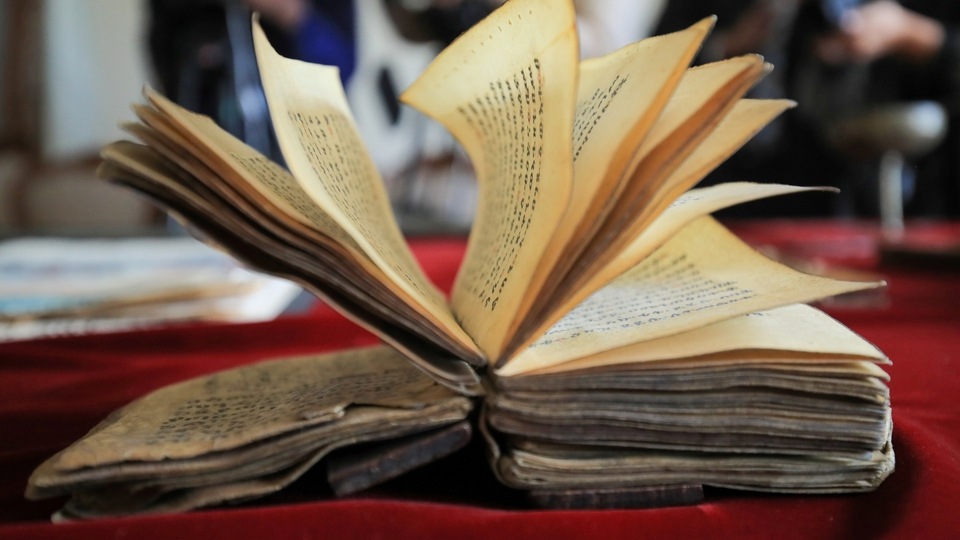
The items, which include an intricately latticed processional cross, a richly coloured triptych depicting Jesus' crucifixion, and an ornate red and brass imperial shield, are part of the largest act of restitution in Ethiopia's history, officials said.
After a century and a half hidden in private collections, 13 stolen Ethiopian artefacts have finally returned home following months of negotiations.
"Our country's ancient civilization's history, artefacts, fingerprints of indigenous knowledge, culture…have been looted in war and smuggled out illegally," said Ethiopia's tourism minister, Nasise Challa.
The items, which include an intricately latticed processional cross, a richly coloured triptych depicting Jesus' crucifixion, and an ornate red and brass imperial shield, are part of the largest act of restitution in Ethiopia's history, officials said.
These artefacts were taken in 1868 after the battle of Maqdala between the British and Ethiopian empires. Some of the objects had been offered in an auction in Britain in June by a private seller descended from a British soldier who fought in Maqdala.
ALSO READ | Stolen in 1998, rare Shiva statue on way from London to India
"There are many artefacts that were looted from Maqdala," said Teferi Meles, Ethiopia's ambassador to the United Kingdom, where many of the treasures were. "We couldn’t manage to bring back all of them, but this is the first time in the country’s history to bring back looted artefacts in this quantity."
Several of the objects were acquired by The Scheherazade Foundation, a cultural non-profit, and handed to the Ethiopian embassy in September. They were returned to Addis Ababa this weekend and will go on display in Ethiopian museums. But the work is far from over, officials said.
"We have started negotiations with the British Museum to bring back 12 tabots," said Teferi.
Tabots are replicas of the Ark of the Covenant that are sacred in the Ethiopian Orthodox Church, one of the world's oldest churches. The tabots were also taken after the Battle of Maqdala.
"We believe we will be successful in bringing them back and the negotiations will continue, with other artefacts abroad," Teferi said.
The British Museum said it held "cordial discussions" with an Ethiopian delegation in September and noted "The Museum has long-standing and friendly relations with the National Museum in Addis Ababa and with the Ethiopian Orthodox Tewahedo Church in London and in Ethiopia."
British museums have long resisted campaigns for the return of artworks, often citing legislation that bans them from disposing of their collections.
But the debate has heated up and British Museum said last year it would loan some works from Nigeria to a new museum there due to open in 2023.
"At this moment, it is clear that our treasures are being destroyed; it is obvious our treasures are being looted and smuggled out of the country illegally," said Teferi, without offering detail.
Ethiopia has been mired in conflict for over a year, with the federal government fighting the Tigray People's Liberation Front and cultural artefacts are believed to have been damaged in the fighting.
"If there is no treasure, it means there is no history; if there is no history, there is no nation," Teferi said.


