
 E-Paper



A thousand facets: The story of natural diamonds beyond the gems

 Prefer HTon Google


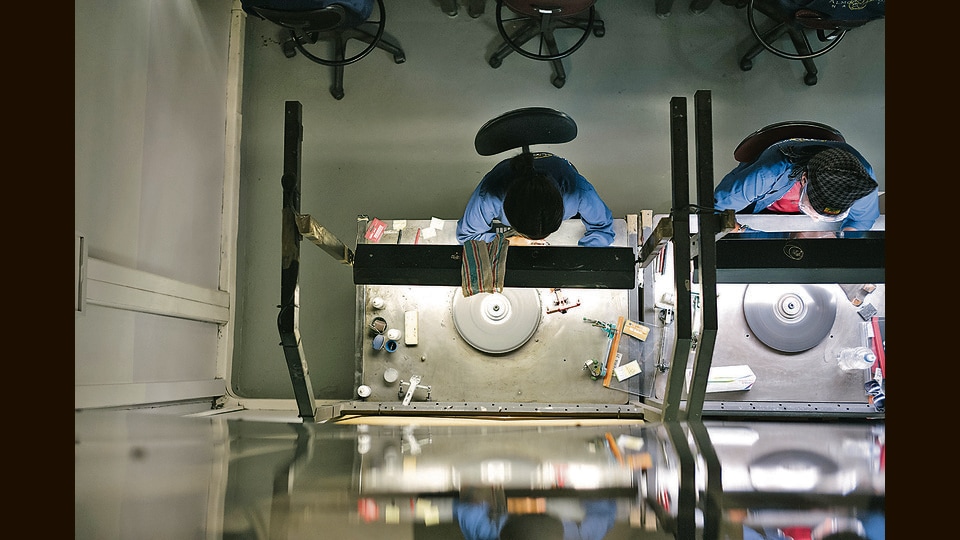
HT SELECT: It’s important to know where one’s diamonds come from. It is easier than ever to find out. See how companies around the world are going beyond tracking and tracing, to drive real impact in rewilding, conservation and more.
There’s this idea, when it comes to natural diamonds, that there is an elephant in the room; an unaddressed issue: sustainability. There are those who point to how diamonds have also been wielded in geopolitics.
As with many of the things we draw from the earth, regulation has historically been uneven, and the impacts of this have traditionally been severe.
The Kimberley Process emerged as a way to address such issues, particularly the use of rough diamonds to finance armed conflicts in countries across diamond-rich Africa in the 1990s, and the wider conflict-diamonds problem. It was, in fact, civil-society organisations, governments and the diamond industry that together pushed for a mechanism to prevent conflict diamonds from entering legitimate markets.
As a result, in the year 2000, the United Nations General Assembly endorsed the development of an international certification scheme for rough diamonds that would seek to ensure that conflict diamonds were excluded from the legitimate international trade in rough diamonds.
The Kimberley Process Certification Scheme (KPCS) was established by 2002 and came into effect the following year. While the Kimberley Process (KP) is an international initiative and intergovernmental forum, KPCS is its certification system for international trade in rough diamonds.
KP participant countries, per data from the consortium, now account for about 99.8% of global rough-diamond production and trade.
KPCS, meanwhile, provides government-issued certification for shipments of rough diamonds, with each certificate attesting that the shipment is conflict-free. Participants must establish internal controls to prevent conflict diamonds from entering rough-diamond shipments. Industry and civil-society observers monitor the scheme’s effectiveness and provide technical expertise.
KP can respond to serious non-compliance by restricting a participant’s rough-diamond trade.
De Beers, the world’s leading diamond company, represents an example of the additional controls a corporate entity can impose.
Its Pipeline Integrity Standard ensures that gems meet the Group’s chain-of-custody requirements. This third-party-assessed system is in addition to Kimberley Process norms.
Compliance is legally binding through the supply chain, all the way from those supplying rough diamonds through to cutters and polishers, and businesses that purchase rough diamonds from De Beers.
De Beers also uses something called Tracr to give individual diamonds a digital ID and record their journey from source through the value chain.
This is not a KP requirement. It is a system De Beers initiated, to ensure that diamonds originating in De Beers Group mines and traceable to its rough-diamond trading companies are conflict-free and can be transparently shown to be so.
What this means for you, the wearer, is that provenance and origins, the very traceability and transparency, become part of your diamond’s story.
LIVING LEGACIES
Drawing these rare, timeless gems out of the earth extracts a cost, and here too, companies such as De Beers have been working to expand their role from mining to sustained stewardship of land.
Regardless of a country’s requirements, De Beers, for instance, requires its mining operations to have a rolling five-year progressive rehabilitation plan, with goals such as biodiversity protection and conservation initiatives that seek to make post-closure stewardship more seamless.
What does this look like on the ground?
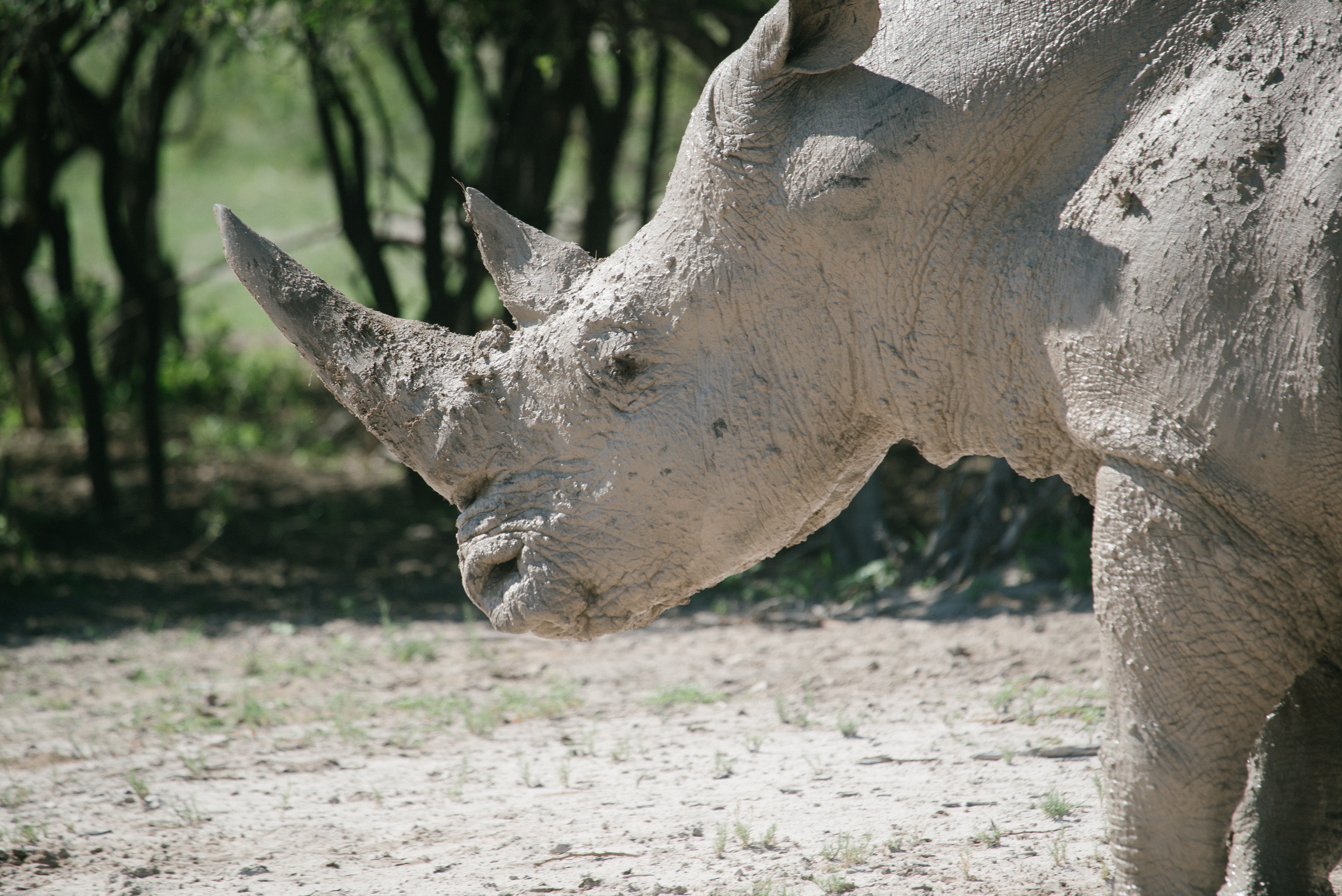
* Rhinoceros conservation and rewilding: De Beers’s conservation endeavours extend beyond active mine sites, into nature reserves and rewilding projects in Botswana and South Africa.
The company manages more than 375,000 acres of conservation land in the region, home to 15 endangered species. Its ecology teams work to restore degraded ecosystems, protect vulnerable and keystone species, and create conservation-linked livelihoods.
In 2024, for instance, as part of these efforts, 10 white rhinoceroses were translocated from a De Beers-managed game park in Botswana to a reserve in South Africa, as part of a regional rewilding project.
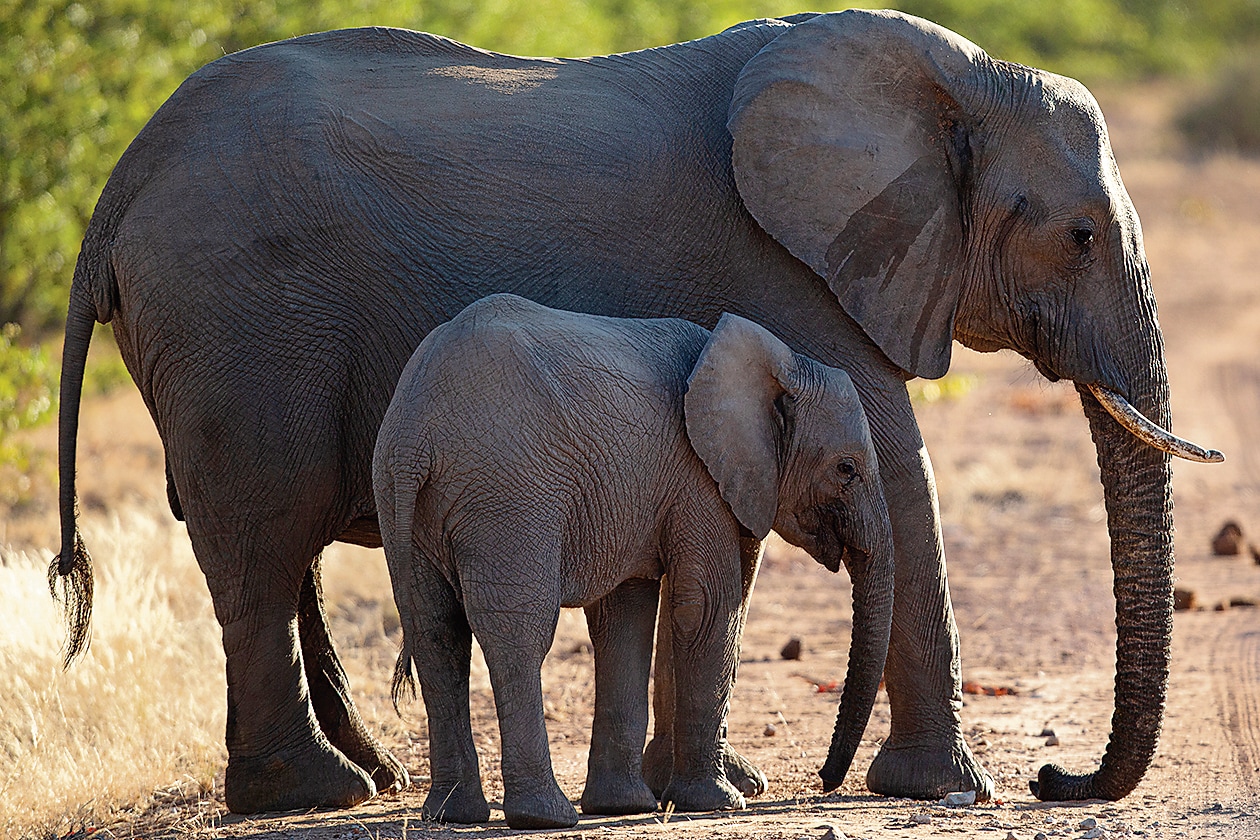
Similarly, between 2018 and 2019, a De Beers Moving Giants programme moved about 100 elephants from the Venetia Limpopo reserve in South Africa to Zinave national park in Mozambique.
* Okavango Eternal: This is arguably De Beers’s most ambitious conservation partnership. In 2021, the company, working with National Geographic, launched Okavango Eternal, an initiative with a focus on protecting the waters of the Okavango Delta, which originate in Angola and flow through Namibia, to Botswana.
While the delta is protected, many of its upstream watersheds have historically had much less protection. The programme seeks to combine scientific monitoring and conservation efforts to protect ecosystems, engage with local communities and generate livelihoods.
So far, the initiative has supported, among other things, livelihoods such as beekeeping and regenerative agriculture, basket-weaving and entrepreneurship training across the three countries.
* African-penguin conservation: In Namibia, De Beers has been working with conservation organisations on the protection of seabirds, and has collaborated with the government and with conservation organisations to design a dedicated seabird rescue facility in Luderitz. The African penguin is particularly significant because its population has declined severely over the long term, making habitat protection, rescue and rehabilitation increasingly urgent.


