
 E-Paper



Beware of pesticide residue! Mumbai surgeon shares fruits and vegetables that are more likely to be contaminated

 Prefer HTon Google


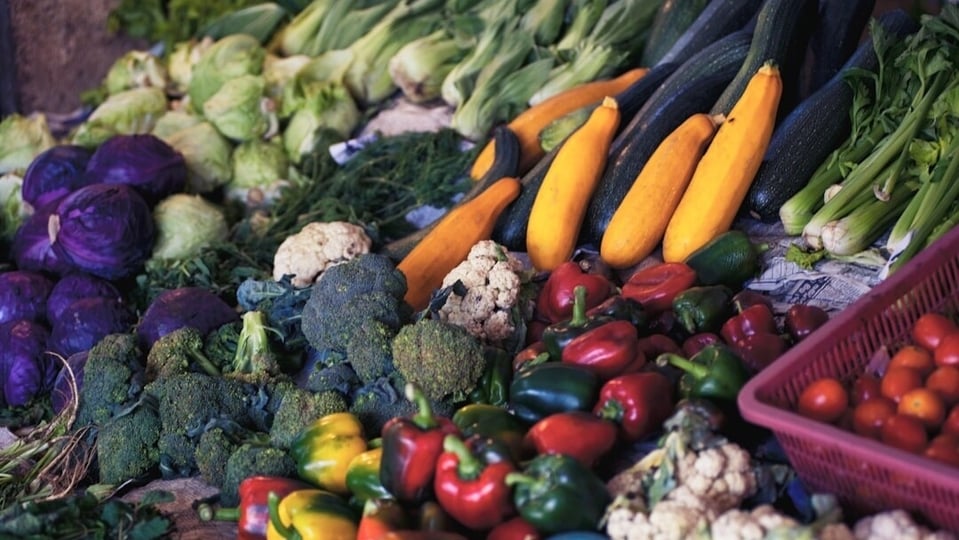
Conventional produce is often sprayed with high amounts of pesticides, which are likely to end up on your plate if proper measures are not taken.
In today’s food landscape, eating conventionally grown produce often comes with an invisible trade-off – a higher likelihood of pesticide exposure – which has become an environmental and nutritional hazard. With modern farming relying heavily on chemical sprays, many everyday fruits and vegetables can carry residue by the time they reach your plate. While these foods remain essential for a balanced, nutritious diet, growing concerns around long-term exposure have made it increasingly important to understand which produce is most affected – and how to reduce potential risks without cutting them out altogether.
Dr Manan Vora, a Mumbai-based orthopaedic surgeon, health educator, and co-founder of NutriByte Wellness, has highlighted commonly consumed fruits and vegetables that are most likely to carry pesticide residues when grown conventionally. In an Instagram video shared on March 21, he clarifies that this doesn’t mean eliminating these foods from your diet – instead, he shares simple ways to reduce exposure and make them safer to eat.
Spinach
According to Dr Vora, spinach leaves have a broad, textured surface that allows pesticide sprays to cling easily, making them particularly prone to residue buildup. He notes that spinach has been found to carry multiple pesticide residues, including compounds that may have neurotoxic effects.
The surgeon explains, “The first is spinach, because these leaves have a large surface area, pesticide sprays can easily stick to the surface. Food monitoring programs have detected multiple pesticide residues in spinach, including compounds like permethrin, which is considered a neurotoxic insecticide.”
Strawberries
Dr Vora points out that strawberries have a delicate outer layer that cannot be peeled, making it difficult to remove pesticide residues completely. As a result, they are more likely to retain traces of these chemicals even after washing.
He explains, “The second is strawberries. Their skin is very delicate and cannot be peeled, which is why pesticide sprays can remain on the fruit's surface.”
Grapes
The surgeon explains that grapes grow in tightly packed clusters, which creates an environment where pesticide residues can easily accumulate and linger on the surface. Citing research data, he adds that more than 90 per cent of conventionally produced grapes have been found to retain detectable pesticide residues.
Dr Vora highlights, “The third is grapes. Grapes grow in tight clusters where pesticide sprays can accumulate on the surface. Studies show that over 90 percent of conventional grape samples contain multiple pesticide residues.”
Other produce
Dr Vora also draws attention to other fruits and vegetables that have been found to retain higher levels of pesticide residues. These are often grouped under what global monitoring lists refer to as the “Dirty Dozen,” highlighting produce that tends to carry the greatest pesticide load.
He notes, “It is not just these three; on the global monitoring list, strawberries, spinach, kale, apples, peaches, nectarines, pears, grapes, cherries, blueberries, and bell peppers are collectively called the ‘Dirty Dozen’.”
What’s the solution?
Dr Vora emphasises that even though these fruits and vegetables rank high on the pesticide residue scale, it doesn’t mean you need to avoid them altogether because they are highly nutritious. Instead, he outlines simple measures you can take to make them safer for consumption:
- Wash them properly.
- Soak them briefly in water.
- Choose organic whenever possible.
Note to readers: This article is for informational purposes only and not a substitute for professional medical advice. It is based on user-generated content from social media. HT.com has not independently verified the claims and does not endorse them.


Catch your daily dose of Fashion, Taylor Swift, Health, Festivals, Travel, Relationship, Recipe and all the other Latest Lifestyle News on Hindustan Times Website and APPs.


