
 E-Paper



Bladder cancer: Symptoms to look for to distinguish between infection and cancer

 Prefer HTon Google


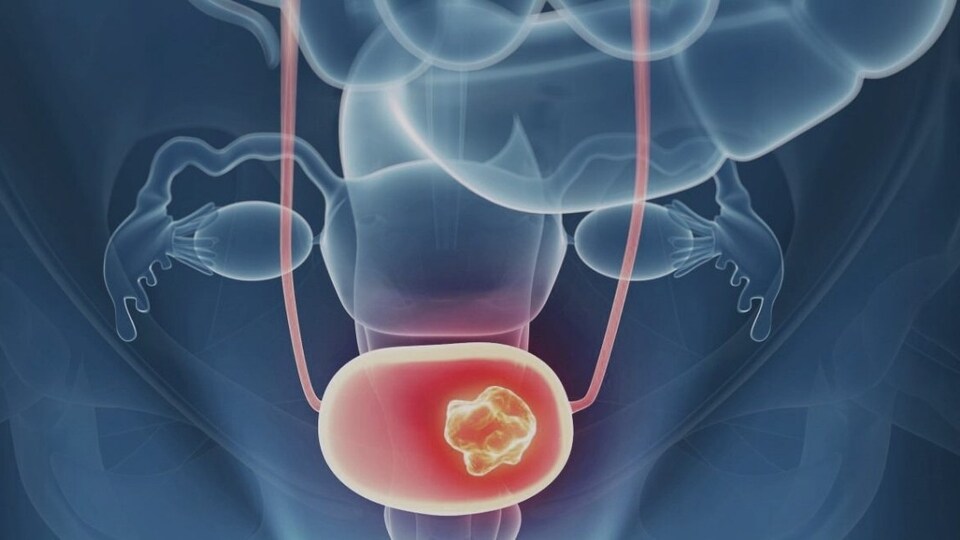
Health experts reveal all you need to know about bladder cancer - what symptoms to look for, how to distinguish between infection and cancer and its treatments
Bladder cancer is a type of cancer that originates in the cells lining the bladder, the organ responsible for storing urine and it is one of the most common forms of cancer, affecting both men and women, with a higher prevalence in older individuals. Early detection and timely intervention are crucial for improving the prognosis and outcome for individuals affected by this health condition as research and awareness efforts continue to advance our understanding of bladder cancer and develop more effective treatments for those diagnosed with this disease.
Symptoms to look out for
In an interview with HT Lifestyle, Dr N Subramanian, Senior Consultant-Urology at Apollo Cancer Centre in Delhi, shared, “Blood in the urine without pain is one of the common symptoms of bladder cancer. Bleeding may occur at the beginning or completion of urine also. In many cases, the blood may not be visible to the naked eye but is detected on routine testing. The presence of blood in the urine even on one occasion needs further evaluation to avoid missing early bladder cancer. Bladder cancer may also be detected on routine ultrasound which may show a growth or irregular thickening of the urinary bladder.”
He revealed, “Frequent urination, urgency, and difficulty in controlling urination along with pain and burning are also symptoms associated with bladder cancer. Swelling of the kidneys due to obstruction of the lower ureter may also be seen in some cases. While kidney stones and infections can also cause similar symptoms, each patient presenting with blood in the urine needs a complete evaluation.”
Simplifying the same, Dr Ganesh Bakshi, Surgical Oncology Consultant at PD Hinduja Hospital and Medical Research Centre, listed what to look for as symptoms of bladder cancer:
- Blood or blood clots in the urine
- Pain or burning sensation during urination
- Frequent urination
- Feeling the need to urinate many times throughout the night
- Feeling the need to urinate, but not being able to pass urine
- Lower back pain on 1 side of the body
How can we distinguish between infection and cancer?
Dr N Subramanian answered, “While the symptoms of frequency urgency and bleeding can be seen in both infections and in bladder cancer, these symptoms of infection are transient or for a short duration and respond quickly to treatment. These symptoms may persist in cases of bladder cancer. A urine culture will identify any bacteria or fungal infection while a urine test for cytology (3 Samples) will identify cells that are suspicious of cancer. Further tests including Ultrasound KUB, Contrast Enhanced CT scan, or MRI scans will also help in diagnosis. Cystoscopy (Endoscopic look into the bladder) with biopsy will confirm the diagnosis.”
Talking about how can one know of they cancer or an infection and distinguish between infection and cancer, Dr Ganesh Bakshi said, “Urinary tract infection would present more commonly with burning sensation associated with fever and chills, though most other clinical signs are similar. A simple Urine routine and microscopy and a urine culture can fairly pick up infection of urinary bladder.” According to him, other ways to diagnose cancer are:
- Urine cytology-is a simple non-invasive test, which picks up cancerous cell that might have been shed in the urine.
- FISH-detects chromosomal aneuploidy
- Bladder Tumor Antigen
- Cystoscopy
Treatments available in India
Dr N Subramanian said, “The investigations and treatments that are recommended by scientific bodies internationally are all available in India. Investigations include Urine cytology, Advanced histopathology and immunohistochemistry and all imaging modalities like CT scans, MRI scans including PET scans and nuclear scans are available.” In India, common treatments include the following:
- TURBT or Endoscopic removal of the bladder cancers
- Intravesical chemotherapy (instillation of drugs like Mitomycin and BCG into the urinary bladder)
- Radical Cysto-Prostatectomy (Removal of bladder and reconstruction or diversion of Urine) which is indicated in invasive cancers. These procedures have become safer with the availability of advanced Laparoscopic and Robotic surgical equipment and expertise.
- Advances in Radiation with newer techniques including Proton therapy have also made these treatments safer and better tolerated.
- Chemotherapy, immunotherapy and other targeted therapies have ensured that even advanced cancers can be managed.
Bringing his expertise to the same, Dr Ganesh Bakshi said, “Management depends on stage and tumor biology. Endoscopic surgical removal - office based procedure which involves complete visualisation of size, number and morphology of tumors and complete removal of same. Intravesical Therapy with BCG, mitomycin, valrubicin, Gemcitabine, Docetaxel - combination of both above are done usually in treatment. Aggressive and variant histology non muscle invasive urinary bladder cancers, high grade and muscle invasive urinary bladder cancers warrant radical surgery and sometimes further adjuvant treatment.”
Causes of Bladder Cancer
Highlighting that more than 80,000 people are diagnosed in the US every year, Dr N Subramanian pointed out that a lifetime risk in men is 1/28 and in women is 1/91 while in many cases, there are no specific causes however, the following facts are recognised:
- Smoking is perhaps the most significant cause, with the risk in smokers being 4-7 times higher than in non-smokers. While there is some reduction in risk when people quit smoking, the risk never declines to the level in non-smokers. Nearly 30 percent of patients diagnosed with bladder cancer in developed countries have a history of smoking. The decline in smoking is reflected in the reduction of prevalence.
- Age and race - Caucasians are at a higher risk than Asians and Africans with higher incidence in some Northern and Western European countries. Over 90 percent of cases occur in people over 55 years of age.
- Heredity - Those with a family history of bladder cancer are at a higher risk. Some genetic mutation in NAT and GSTM 1 genes are associated with a higher risk. Similarly, certain diseases like Cowden disease and Lynch syndrome are associated with a higher risk.
- Certain occupations with exposure to Aniline and Benzidine dyes are associated with increased risk. However, the improvements in occupational health have helped to reduce these.
- Certain drugs like Cyclophosphamide and Pioglitazone are also associated with a higher risk of bladder cancer.
- In countries like Egypt, where parasitic infestations like Schistosomiasis are common, bladder cancer risk is higher. Lastly, longstanding indwelling catheters in neurogenic bladders and bladder stones are also associated with slight increase in risks.
Adding to the list of causes, Dr Ganesh Bakshi blamed:
- Aromatic amines -seen in dyes
- Tobacco
- Genes- N-acetyltransferase ,deletion of glutathione S-transferase. Mutations in these results in loss of body’s ability to metabolize aromatic amines.
- Hereditary-having first degree relatives with urinary bladder cancer increases the risk of bladder cancer in a person
- Obesity and increased BMI
- Occupations like people in industries like – dye industry, Rubber, Aluminium, other metal industry .
- Recurrent infections of urinary tract.


