
 E-Paper



Delhi gastroenterologist shares 3 vegetables that should never be eaten raw: Warns against microbes and toxins

 Prefer HTon Google


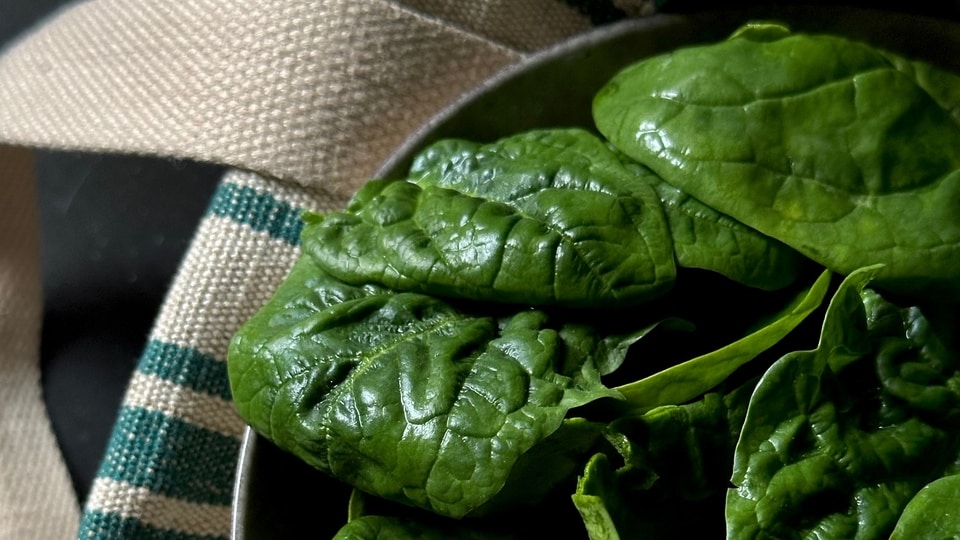
While eating raw vegetables in salad is widely considered to be healthy, not all vegetables are safe for raw consumption, shares Dr Vatsya.
Eating raw vegetables, especially in the form of various fancy salads, is often interpreted as a picture of healthy eating. However, that is not really the case for a few specific vegetables, which pose far greater risk in being consumed raw than the benefits that they may provide.
Also Read | You don't have to cut out sugar to avoid glucose spikes? Biochemist shares how to enjoy it without the crash
Taking to Instagram on May 31, Dr Shubham Vatsya, gastroenterologist and hepatologist at ISIC Multispeciality Hospital, listed three such vegetables and highlighted the health risks that they present in their raw form.
1. Spinach
One of the most popular green vegetables that can be turned into a wide variety of dishes, spinach should never be consumed raw, according to Dr Vatsya. Despite what cartoons like Popeye might suggest, spinach in its uncooked form contains not just bacteria, but also toxins that present great health risks.
As Dr Vatsya shared, “Raw spinach contains bacteria such as E. coli and the eggs of tapeworms on the leaves. These can survive being washed thoroughly, and can cause stomachache, diarrhoea, and very serious gastrointestinal infections when consumed. Raw spinach also contains the toxin oxalates, which increase the risk of kidney stones.”
2. Cabbage
Raw cabbage is often used in many different salads, despite the serious health risks that it poses. It contains surface contaminants which can make one fall ill if not cleaned and cooked properly. The cabbage leaves may also have parasites such as tapeworm, noted Dr Vatsya.
In his words, “Cabbage may contain the eggs of tapeworms. When consumed, the tapeworm eggs can enter the bloodstream, hatch, and even reach the brain. This can cause severe diseases such as neurocysticercosis.”
3. Brinjal
Brinjal or aubergine contains solanine. It is a naturally occurring toxin that acts as a pesticide for the plant. While it has a role to play in the production of brinjal, it is harmful for human consumption, shared Dr Vatsya.
In his words, “Brinjal contains solanine toxin, which can cause nausea and digestive problems when consumed. The toxicity of solanine can be neutralised by cooking, and therefore, the vegetable should never be consumed raw.”
“Always consume the three vegetables in cooked or steamed form,” noted the gastroenterologist. “Cooking kills bacteria and makes digestion easier.”
Note to readers: This article is for informational purposes only and not a substitute for professional medical advice. Always seek the advice of your doctor with any questions about a medical condition.
This report is based on user-generated content from social media. HT.com has not independently verified the claims and does not endorse them.


Catch your daily dose of Fashion, Taylor Swift, Health, Festivals, Travel, Relationship, Recipe and all the other Latest Lifestyle News on Hindustan Times Website and APPs.


