
 E-Paper





Debapriya Bhattacharya is a Content Producer at Hindustan Times. He started his career in 2022, working in newsrooms in beats like education, US news, trending stories, and entertainment. In his new role in the lifestyle desk, he seeks to deliver a balanced blend of research-driven reporting and creative storytelling from health and recipes to art and culture. Science, philosophy, food and pop culture are what pump his veins and help bring heart to his stories. Debapriya tries to see out subjects that will allow him and readers to explore new frontiers and improve the quality of life for all. The explorations can be both external and internal, as thoughts seek to be as chaotic as the greater universe. As a citizen of the world, Debapriya has been fascinated by the lives of people across the globe throughout time. His curiosity leads him to explore new linguistic and cultural landscapes to broaden his horizons and deepen his understanding of global narratives. Beyond the newsroom, Debapriya loves to participate in debate and theatre, spaces that he considers to be holy grounds for nuance and self-expression. A graduate from Ashutosh College, University of Calcutta, Debapriya completed his Master's degree from the same university in 2022. An ambiverted bibliophile, he loves his solitude as much as he adores stimulating conversations. And despite his reverence for tech, libraries continue to be his favourite place for research.
Doctor cautions against growing antibiotic resistance, shares simple steps to slow it down



During World AMR Awareness Week 2026, Dr Sandeep Patil highlights how growing microbial resistance is making recovery difficult for many patients.
Antimicrobial resistance (AMR) is fast becoming a serious public health issue. As per Dr Sandeep Patil, chief intensivist at Fortis Hospital, Kalyan, in the next few years, it will have a death toll to rival that of many chronic diseases.
During World AMR Awareness Week 2026, which is observed from November 18 to November 24, Dr Patil shared with HT Lifestyle why AMR is fast becoming a major health concern and what can be done to keep it under control.
“Think of an ordinary infection that could easily be treated using antibiotics turning into a hard-to-treat one, hence needing stronger drugs and extended periods of hospitalisation; in extreme cases, even leaving physicians with very little to choose from in terms of treatment methods. The situation is not as far-fetched as it seems,” he noted.
What is antimicrobial resistance?
Antimicrobial resistance refers to the ability of microorganisms, including bacteria, fungi, and viruses, to resist medicines intended to destroy them. While it is a normal biological phenomenon, exposure to antimicrobial medicines, especially over an extended period, can speed up the process, pointed out the physician.
“The impact goes way beyond a single infected person,” stated Dr Patil. “The resistant infections might cause long-term hospital stays, delayed recovery, increased cost of treatment, as well as increased mortality.”
“The infections are usually treated with strong antibiotics, which may be more dangerous due to potential side effects and complications. In some cases, AMR infections have extremely limited treatment options and might pose a serious threat to even the most routine medical intervention,” he added.
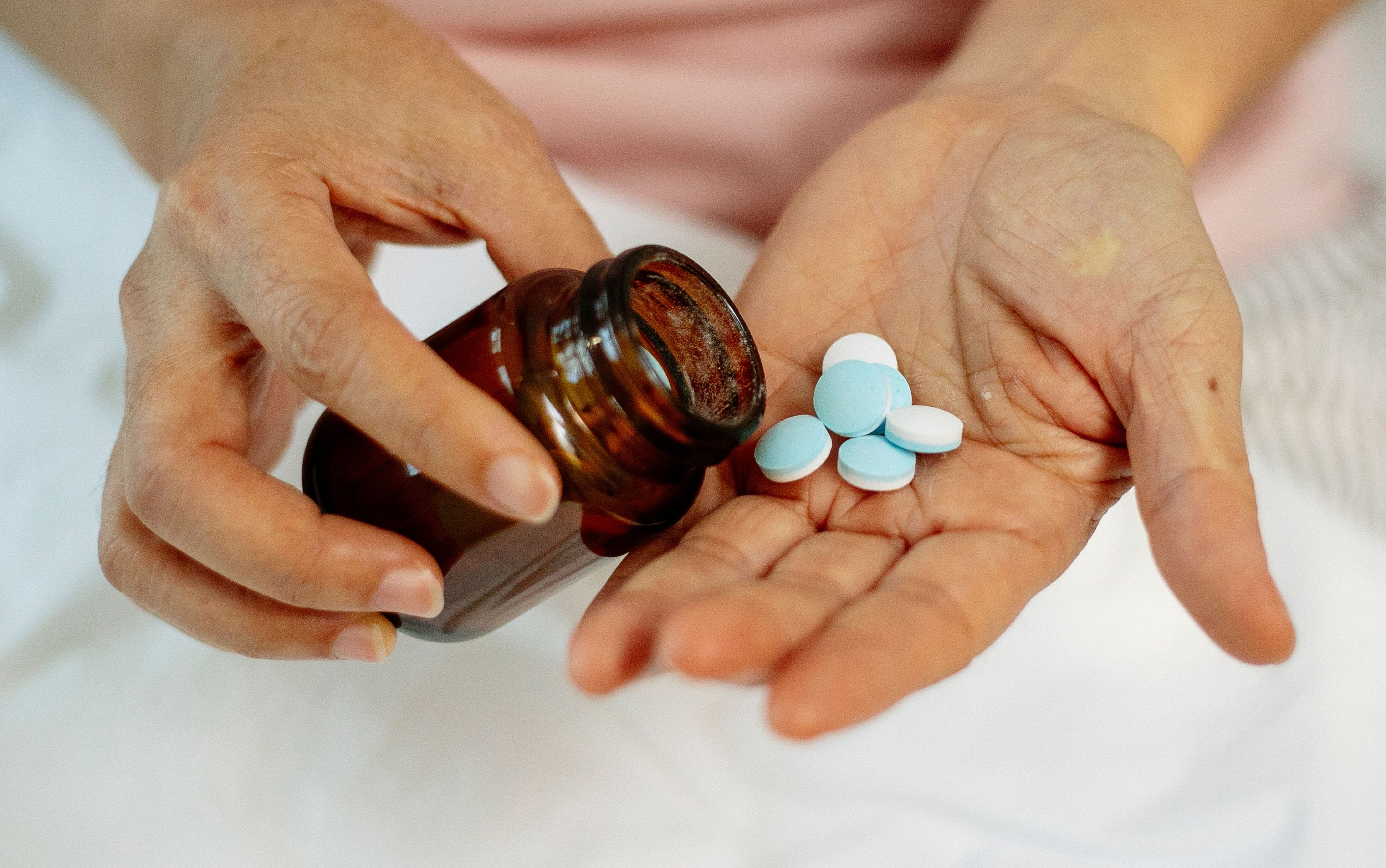
Why is AMR a cause for serious concern?
Dr Patil noted that what makes AMR so worrying is its direct impact on modern medicine. There are several important achievements in medicine that depend on our ability to prevent and treat infections with appropriate antibiotics.
“The other critical issue about AMR is how the excessive use of these antibiotics and antifungals affects the body's natural protective bacteria. Not all antimicrobial drugs differentiate between pathogenic microbes and commensal flora, which are beneficial bacteria that live in our bodies and protect us from infections,” stated the physician.
“With the elimination of susceptible microbes by antimicrobial medications, resistant bacteria and fungi are left alive. They grow and spread, passing their genetic traits to other microorganisms. This causes the spread of resistance among microbial populations and makes infections hard to control,” he added.
How to keep AMR in check?
AMR is a natural process that not only arises from medical practices, but also from agricultural practices, diet and the environment. However, Dr Patil believes that the process of spreading resistance can be significantly slowed down.
- The first step that can be taken is not to use antibiotics for viral diseases like the common cold or influenza, where the drugs have no effect at all. Only an experienced physician can prescribe an appropriate drug, dose, route, and duration of therapy, which should be followed without deviation.
- The second step is the proper use of antibiotics in hospitals. “Doctors should constantly monitor patients' condition according to the reports of the lab results and cultures, switching to narrower-spectrum antibiotics when possible. It is called de-escalation, and it allows decreasing the unnecessary use of these drugs,” stated the physician.
- In addition, hospitals should practice good hand hygiene, infection control procedures and antimicrobial stewardship programs.
Note to readers: This article is for informational purposes only and not a substitute for professional medical advice. Always seek the advice of your doctor with any questions about a medical condition.
ABOUT THE AUTHOR

Catch your daily dose of Fashion, Taylor Swift, Health, Festivals, Travel, Relationship, Recipe and all the other Latest Lifestyle News on Hindustan Times Website and APPs.


