
 E-Paper



Doctor shares ultimate guide to period pain: Know if cramps change with age, 5 remedies, and more

 Prefer HTon Google


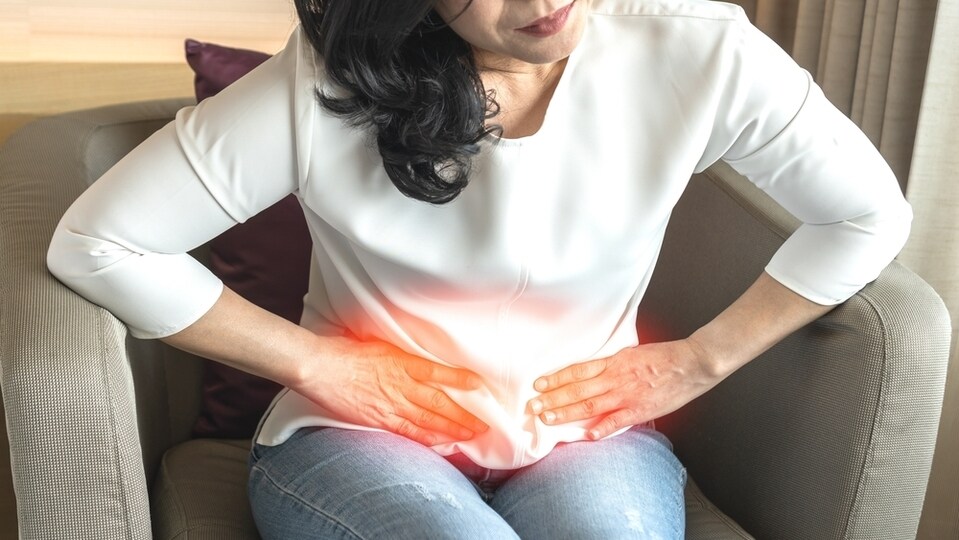
Period pain accompanies menstruation every month. Here's the comprehensive guide that explains how it changes with age, and more.
Period cramps every month can be physically and mentally distressing, almost like your insides are clawing and waging war on you, wreaking havoc on your lower abdomen and back. Sometimes the pain becomes so intense that you cancel all your plans, crawl into bed, and reach for your comfort treats and snacks.
But just like how your period changes over time, can your period pain change too, and what does that mean for your health?
Period cramps are increasingly common, but more often than not, they are solely seen with menstruation, as a symptom of the period. But they also need special attention to better identify underlying health conditions, right from intensity to evolution with age.
In an interview with HT Lifestyle, Dr Sheetal Jindal, Senior Consultant, Medical Director, and Director of the Medical Genetics Program at Jindal IVF, Chandigarh, shared her insights on period pain and how it can change with age.
She shared data highlighting just how common period pain is among women. Dr Sheetal added, “Menstrual pain affects 84.1 per cent of women, with 43.1 per cent experiencing it during every cycle and 41 per cent during some.”
ALSO READ: Can periods be problematic? Here's when should you worry about your menstrual cycle
Moreover, Dr Sheetal Jindal shared this comprehensive guide on menstrual pain, from the common type to how much pain is too much:
What is the common type of period pain?
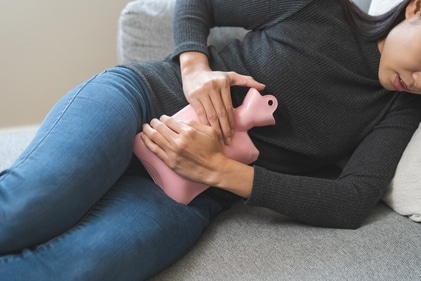
- The more common type, primary dysmenorrhoea, usually starts in the early years of menstruation and is not linked to any underlying condition.
- It causes cramping or heaviness in the lower abdomen, back, or thighs and often improves with painkillers, heat, or gentle activity.
- If pain interferes with daily life, it could be secondary dysmenorrhoea linked to conditions like endometriosis or fibroids and should be assessed by a specialist.
Can period pain change with age?
- While generally, period pain in the 20s tends to become more manageable as cycles regulate and hormonal contraception offers relief, and in the 30s, some may even notice improvement after childbirth, each body is unique and may experience changes differently.
- For some, pain may persist or even worsen in the 30s due to underlying conditions like fibroids or endometriosis. It’s important to pay attention to what feels normal for your body and seek medical advice if patterns shift noticeably.
Should you track your period pain?
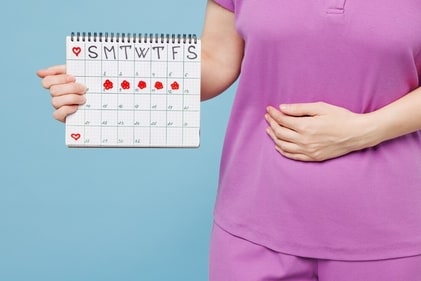
- Tracking period pain offers valuable insight into how it varies across cycles. Pain can fluctuate due to hormonal shifts, lifestyle factors, or underlying conditions.
- Noting the timing, intensity, duration, and response to remedies helps identify patterns and changes over time. This information can be especially useful for healthcare providers when evaluating symptoms.
- Consistent tracking can also highlight when pain moves beyond what is typical, potentially indicating secondary dysmenorrhoea or other issues that require medical assessment.
How much pain is too much, and when to see a doctor?

- Pain that disrupts daily life, interferes with work, sleep, or routine activities, or does not respond well to over-the-counter treatments is considered more than typical.
- If the pain is worsening over time, lasts beyond the first few days of menstruation, or is accompanied by symptoms like heavy bleeding, nausea, or pain during sex, it may signal an underlying condition. Persistent or severe menstrual pain should not be ignored and is a valid reason to consult a gynaecologist for proper evaluation.
5 remedies to soothe period pain
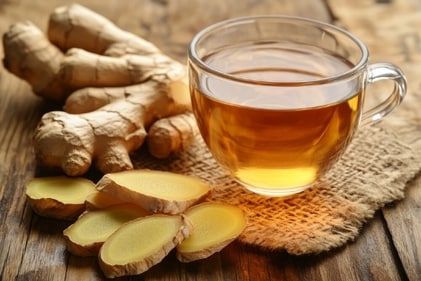
There is no single solution for period cramps, but several remedies can offer relief. Try these:
- There is a benefit in using a warm compress on the lower abdomen to relax muscle tension.
- Light exercise, like walking or gentle yoga, boosts circulation and eases pain.
- There is support for over-the-counter painkillers such as ibuprofen or mefenamic acid.
- Try sipping herbal teas like ginger or chamomile.
- Engage in deep breathing or mindfulness techniques to reduce stress-related tension.
ALSO READ: Is stress delaying your periods? 5 lifestyle changes to manage it for a regular menstrual cycle
Note to readers: This article is for informational purposes only and not a substitute for professional medical advice. Always seek the advice of your doctor with any questions about a medical condition.


Catch your daily dose of Fashion, Taylor Swift, Health, Festivals, Travel, Relationship, Recipe and all the other Latest Lifestyle News on Hindustan Times Website and APPs.


