
 E-Paper



Fortis psychiatrist explains how exposure to air pollution affects mental wellbeing: ‘Lower mood, irritability, stress…’

 Prefer HTon Google


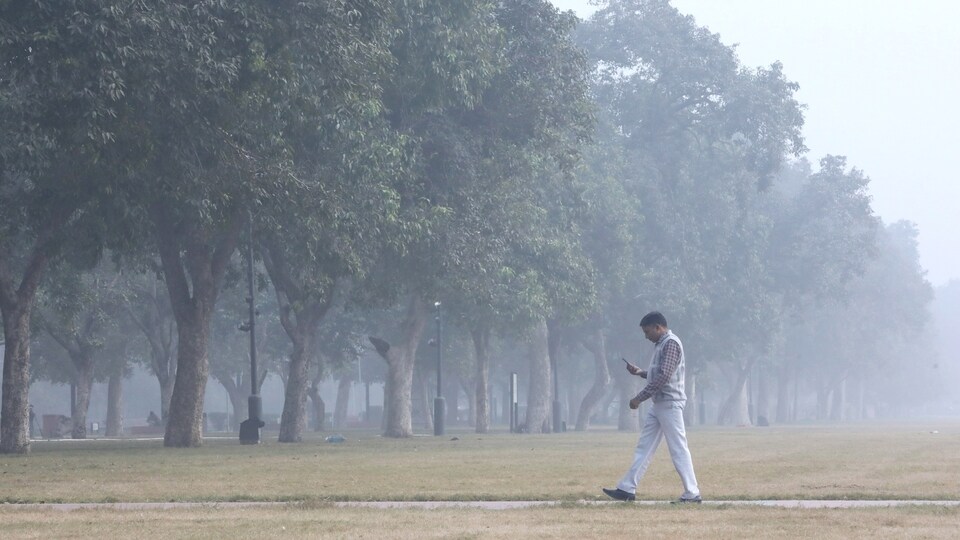
Pollution exposure is not limited to respiratory issues anymore, affecting brain and mental wellbeing. Dr Joshi explains the cognitive impact of Delhi's AQI.
As Delhi’s Air Quality Index continues to hover in the “hazardous” range, the health consequences are becoming harder to ignore. What was once viewed largely as a threat to the lungs and heart is now increasingly linked to brain health and psychological wellbeing. Emerging evidence suggests that prolonged exposure to polluted air can heighten stress, worsen anxiety and depression, and impair cognitive functions such as memory and focus - raising fresh concerns about the city’s long-term mental and neurological health.
Dr Astik Joshi - Child and Adolescent, and Forensic Psychiatrist at Fortis Hospital, Shalimar Bagh, New Delhi - spoke to HT Lifestyle about the effects of air pollution on brain and psychological wellbeing. He highlights that Delhi’s deteriorating air quality has moved beyond being just a respiratory and cardiovascular hazard, emerging as a serious potential threat to brain health and mental wellbeing.
He explains, “Toxic haze from long-term exposure to polluted air, specifically smaller airborne particles found in fine particulate matter such as PM2.5, is known to not only penetrate the blood and cross the blood-brain barrier; but when they reach the brain, they activate inflammatory responses and create oxidative stress, thereby disrupting the normal functioning of the brain.”
Increases stress response
Dr Joshi explains that exposure to air pollution amplifies the body’s biological stress response, disrupting key brain chemicals - including serotonin and dopamine - that regulate mood, sleep patterns and emotional balance.
He adds, “Furthermore, living in a highly polluted city like Delhi can lead to higher levels of anxiousness like lower mood, irritability and depressive symptoms during extended periods of smoggy conditions. The combination of these factors creates a sense of being emotionally exhausted, restless, or out of balance with no apparent external source of stress.”
Impacts cognitive abilities
The psychiatrist states that polluted air also negatively affects cognitive abilities such as attention, memory and processing speed. He explains, “It causes reduced oxygen levels and brain inflammation in learning and memory areas of the brain which result in increased levels of 'brain fog' and, therefore, poor focus, forgetfulness and feeling mentally drained for students, working professionals, and older adults during times when the AQI is at an elevated level.”
Increases risk of neurological disease
Dr Joshi explains that long-term exposure increases the brain’s susceptibility to neurological diseases, because sustained pollution exposure is linked to a gradual decline in cognitive function. He highlights, “Delhi's smog isn't only obscuring the skyline but may also be eroding emotional resilience and impacting brain performance, so that clean air becomes an essential need for both mental and neurological wellness.”
Note to readers: This article is for informational purposes only and not a substitute for professional medical advice. Always seek the advice of your doctor with any questions about a medical condition.


Catch your daily dose of Fashion, Taylor Swift, Health, Festivals, Travel, Relationship, Recipe and all the other Latest Lifestyle News on Hindustan Times Website and APPs.


