
 E-Paper



Heart surgeon with 25 years of experience ranks health dangers on a scale of 1 to 10: From seed oils to shift work

 Prefer HTon Google


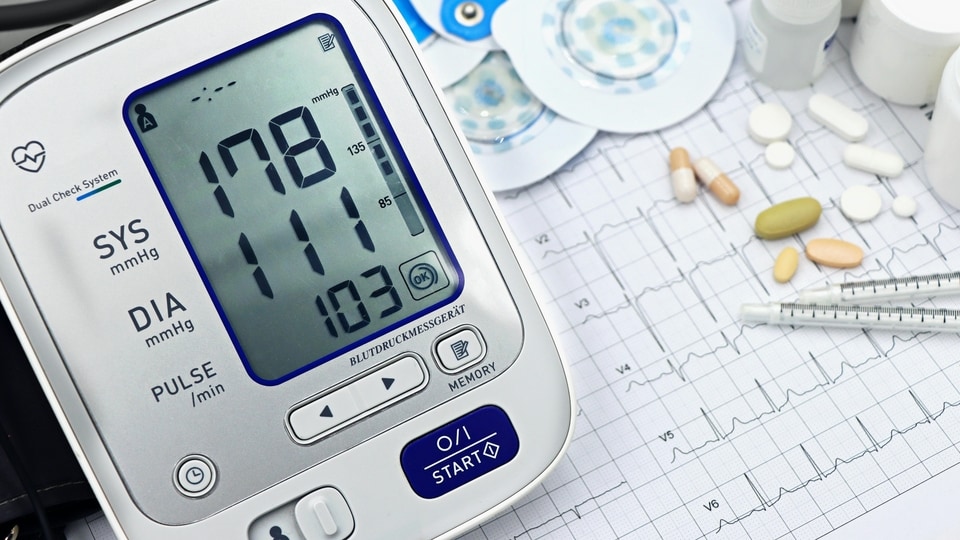
Dr London ranks five health risks – from seed oils to high blood pressure – on a scale of 1 to10, revealing which ones pose the greatest threat to longevity.
Many everyday habits and health markers – such as the foods we eat, excess body fat, or even blood pressure levels – can quietly influence our long-term health. While some risks are widely debated, like the use of seed oils, others such as obesity or hypertension are well-established drivers of chronic disease. But just how dangerous are these factors, and which ones pose the greatest threat over time?
Dr Jeremy London, a board-certified cardiothoracic surgeon with over 25 years of experience, has outlined five common health dangers and ranked them on a scale of one to 10 based on their potential impact on long-term health. In an Instagram video shared on March 11, the heart surgeon breaks down how each of these risk factors can affect the body and gradually increase the likelihood of chronic disease over time.
Seed oils
Dr London ranks seed oils three out of 10 on his scale of health risks. He notes that opinions around seed oils remain mixed, but emphasises that the real concern often lies in where they are commonly used. According to him, seed oils are predominantly found in highly processed or “bad foods,” and it is this association with unhealthy food products that significantly escalates their potential health risk.
He explains, “I'd have to give this one a three. Lot of emotion around it. The data is mixed. And the bigger problem is the predominance of seed oils in bad foods, and the consequent obesity is an even bigger problem.”
Obesity
The heart surgeon ranks obesity nine out of 10 on his scale of health risks. He emphasises that obesity – particularly the accumulation of visceral fat – is a major driver of chronic inflammation in the body. This type of fat, which surrounds vital organs, is strongly linked to a significantly higher risk of metabolic disorders and cardiovascular diseases, making it one of the most serious health concerns.
Dr London states, “I'd give that one a nine. Particularly visceral fat. We know it's a known driver of inflammation in the body. Higher risk of type 2 diabetes and consequently higher risk of cardiovascular disease.”
High blood pressure
High blood pressure earns a solid 10 out of 10 on Dr London’s scale of health risks. He emphasises that it is often referred to as the “silent killer,” but at the same time, it is one of the most modifiable risk factors for serious health conditions. To keep it under control, he recommends regularly monitoring your blood pressure and maintaining a healthy lifestyle, including adequate exercise, a balanced whole-foods diet, and proper sleep.
The heart surgeon notes, “I'd have to give high blood pressure a 10. It's known as the silent killer and it's the single most modifiable risk factor that we have. So, get a blood pressure cuff off Amazon, less than 30 bucks. Exercise regularly, eat a whole foods diet, and get plenty of rest.”
Shift work
This earns a seven out of 10 on Dr London’s scale. He points out that shift workers tend to have a higher mortality risk, and that this risk is largely dose-dependent – meaning the longer someone continues working irregular or night shifts, the greater the potential health impact. The most effective way to reduce them, the surgeon notes, is by changing or stabilising work hours whenever possible.
He explains, “Shift work. Believe it or not, shift workers do have a higher mortality risk, and it can be significant. And it's dose dependent. In other words, the longer you're a shift worker, the more dangerous and the only way to really fix it is to change your hours of work. I'd have to give this one a seven.”
Low VO₂ max
Low VO₂ max receives a 10 out of 10 on Dr London’s scale of health risks. He explains that VO₂ max is a key marker of cardiovascular fitness, reflecting how efficiently the heart and lungs deliver oxygen and nutrients to the body’s tissues. A low VO₂ max is strongly associated with a higher risk of mortality, as it indicates poorer cardiovascular efficiency. According to him, regular exercise is the most effective way to improve VO₂ max, supporting better heart health and overall longevity.
Dr London notes, “This is a 10. VO₂ max is a measure of your cardiovascular efficiency – how well your heart can get nutrients and oxygen to your tissues. Low VO₂ max, higher risk of mortality. High VO₂ max, lower risk of mortality. The good news is with regular consistent exercise – with a day of high-intensity training – you can shift your VO₂ max and improve your longevity.”
Note to readers: This article is for informational purposes only and not a substitute for professional medical advice. It is based on user-generated content from social media. HT.com has not independently verified the claims and does not endorse them.


Catch your daily dose of Fashion, Taylor Swift, Health, Festivals, Travel, Relationship, Recipe and all the other Latest Lifestyle News on Hindustan Times Website and APPs.


