
 E-Paper



Indian food decoded: Think idli-sambar is high in protein? Here’s what you’re actually eating

 Prefer HTon Google


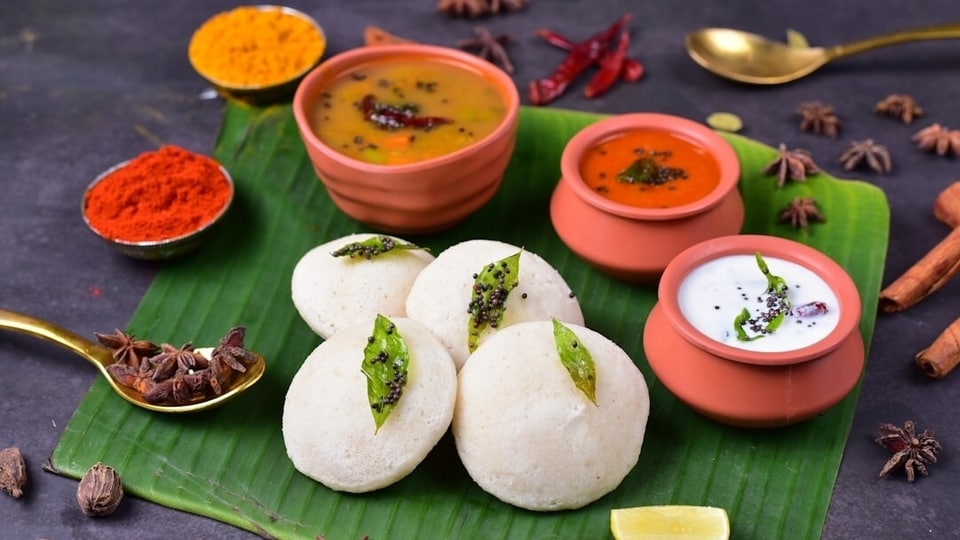
Your idli-sambar might sound healthy, but is it protein-rich enough? Here’s what you need to know about this hyped and wholesome breakfast.
Idli-sambar is considered one of the high-protein breakfast options, especially in southern India. But does it really contain as much protein as it is often touted to provide? In this edition of Indian Food Decoded, HT Lifestyle spoke with Jeanne Ribeiro, a qualified clinical nutritionist and certified diabetes educator, to decode the reality of one of the most hyped breakfasts.
Also read | Indian food decoded: Is your morning poha actually healthy? Here’s what a nutritionist wants you to know
Is idli-sambar really high in protein?
Jeanne highlighted that a realistic medium idli gives you roughly 1.5 to 2 grams of protein. So if you're having three idlis, you're getting around 5 to 6 grams. That's something, but let's not call it a high-protein breakfast just yet. She agrees that urad dal in the idli batter does offer protein. “But there is also a lot of rice. So, the idli is primarily giving you carbohydrates, with some protein coming from the dal,” said Jeanne.
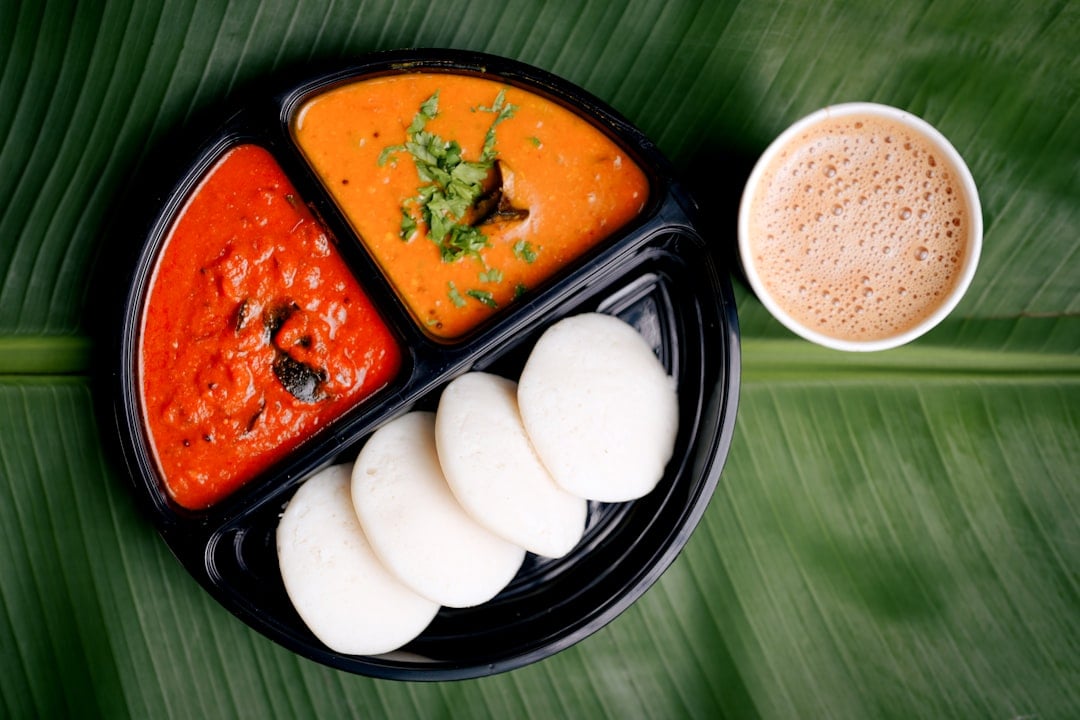
The real protein opportunity on your plate is the sambar. And this is where things get interesting. A cup of reasonably thick, dal-rich sambar may give you around 4 to 6 grams of protein. But that number can change dramatically depending on how much dal actually went into it. “That thin, watery sambar you get at some restaurants? You may be getting very little dal in that entire bowl,” highlighted Jeanne.
Nutritional breakdown of idli-sambhar
According to Jeanne, a thick, home-cooked sambar with plenty of dal and vegetables is a completely different meal. So three idlis with a proper serving of sambar could give you somewhere around 9 to 12 grams of protein. That's a decent breakfast. But it isn't a 20 or 25 gram protein meal. “That doesn’t mean you don't need to stop eating idli. You just need to stop overestimating what it is giving you,” advises Jeanne.
There is also something beautiful about the traditional combination itself. Rice and dal complement each other because their amino acid profiles are different. Research looking at cereal and pulse combinations has found that some traditional combinations can improve the overall quality of the protein compared with eating the cereal alone. And then you have fermentation.
The idli batter is fermented before steaming, which changes the food matrix and can improve digestibility and nutrient availability. Our traditional food combinations weren't designed around protein targets on a food label, but they often made nutritional sense. The problem is when we take a good traditional meal and make the protein portion smaller and smaller.
How to eat idli in the right way?
Three huge idlis, a tiny spoon of chutney, and a bowl of orange-coloured water that we're calling sambar. That's not a high-protein breakfast. So if you love idli, keep eating it. Just make the sambar thick and dal-rich. Have enough of it instead of treating it like a garnish.
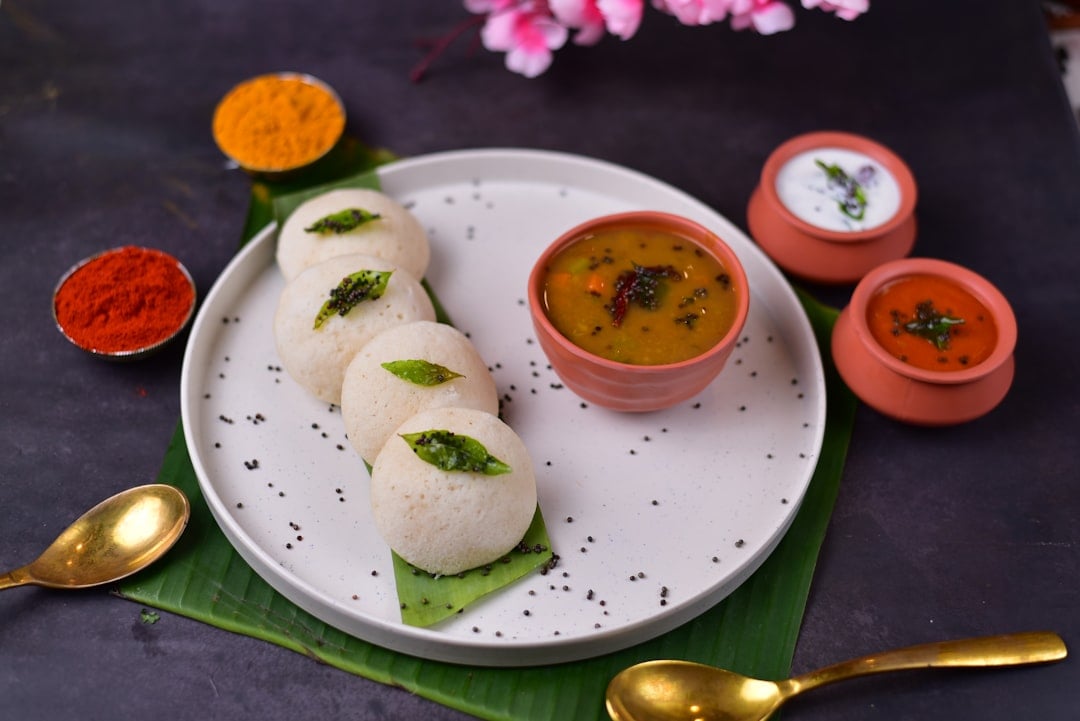
Add curd, an egg, paneer or another protein source if you need to bring the meal closer to your protein requirement. “And don't start replacing your idli with oats just because someone on Instagram told you oats are healthier. Idli isn't the problem. Underestimating the protein on your plate is,” said Jeanne.
Note to readers: This article is for informational purposes only and not a substitute for professional medical advice. Always seek the advice of your doctor with any questions about a medical condition.

Catch your daily dose of Fashion, Taylor Swift, Health, Festivals, Travel, Relationship, Recipe and all the other Latest Lifestyle News on Hindustan Times Website and APPs.


