
 E-Paper



Newborn immunity: Ways to strengthen your baby's defences

 Prefer HTon Google


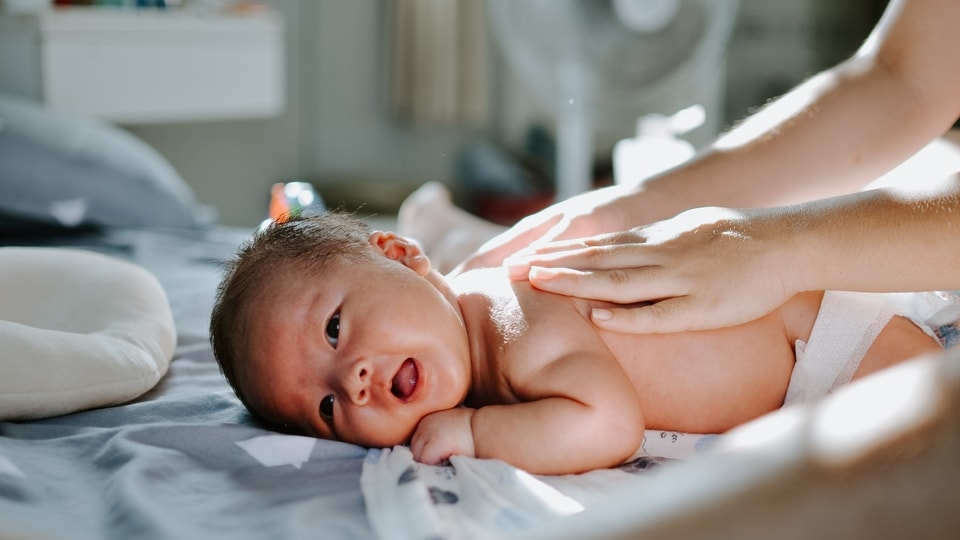
From the moment a baby enters the world, their immune system starts working to shield them from harmful germs. However, a newborn's immune system is not fully developed and needs support to work optimally. Here's how to strengthen your baby's immunity
The first thing that comes to a parent's mind is to protect their child from harm and danger from the moment they learn of their pregnancy and this instinct only grows stronger not only as your baby grows inside you but also when it is finally born into the world. While it's natural for children to get bumps and bruises from playing, it's also important to be aware of the various illnesses and infections in their environment that can pose a risk to their health.
From the moment a baby enters the world, their immune system starts working to shield them from harmful germs however, a newborn's immune system is not fully developed and needs support to work optimally. In an interview with HT Lifestyle, Dr Saurabh Khanna, Lead Consultant, Neonatology and Pediatrics at CK Birla Hospital in Gurgaon, shared, “Proper nutrition is vital for boosting an infant's immune system.”
He suggested, “Breast milk, also known as liquid gold for the baby, is an excellent source of antibodies that protect against infections and provide necessary nutrients for optimal immune system development. Breast milk also contains helpful bacteria that populate the baby's gut, which is essential for immune function. Therefore, breastfeeding is an excellent way to support your baby's immune system.”
The World Health Organization (WHO) also recommends exclusive breastfeeding for the first six months of a baby's life, followed by continued breastfeeding with solid foods for up to two years or longer. In addition to adequate nutrition, Dr Saurabh Khanna insisted that incorporating healthy lifestyle practices can significantly enhance your infant's immune system and he said, “Making sure your baby gets enough sleep, exercise, and fresh air can greatly improve their overall health and promote a robust immune system. Fresh air and outdoor exposure can also reduce stress levels, uplift moods, and enhance immunity, while sunlight can provide a natural source of vitamin D essential for the immune system.”
Spending time in nature, such as in parks or other green spaces, can also have a positive impact on an infant's immune system. The health expert added, “Being outdoors can promote physical activity, reduce stress, and provide opportunities for social interaction, all of which can contribute to a healthier immune system. Additionally, exposure to natural sunlight can boost vitamin D levels, which is essential for immune function.”
According to Dr Megha Consul, Principal Consultant-Pediatrics at Max Super Speciality Hospital in Gurgaon, “It is a lesser known fact that it is during the last 3 months of pregnancy that antibodies from mothers are passed to their unborn babies through the placenta. This type of immunity is called passive immunity because the baby has been given antibodies rather than making them itself.”
Dr Consul said, “Antibodies are special proteins the immune system produces to help protect the body against bacteria and viruses. The amount and type of antibodies passed to the baby depend on the mother's immunity. For example, if you have had chickenpox, you should have developed immunity against the condition and some of the measles antibodies will be passed to your baby. But if you haven't had measles, your baby will not be protected. It is also important to understand that immunity in newborn babies is only temporary and starts to decrease after the first few weeks or months which increases the need for vaccination.”
It's important to begin childhood vaccinations when your baby is 2 months old. This applies to babies who are either premature or full-term. The first vaccination, given when your baby is 2 months old, includes whooping cough and Hib (Haemophilus influenza type b) because immunity to these conditions decreases the fastest. She added, “Boosting your infant's immune system is crucial for their long-term health. Taking the necessary measures to strengthen their immune system during the early stages of life can lay a solid foundation for a healthy and vibrant future.”


