
 E-Paper



Orthopaedic experts share 5 foods to prevent vitamin D deficiency and maintain bone health during sun-deprived winters

 Prefer HTon Google


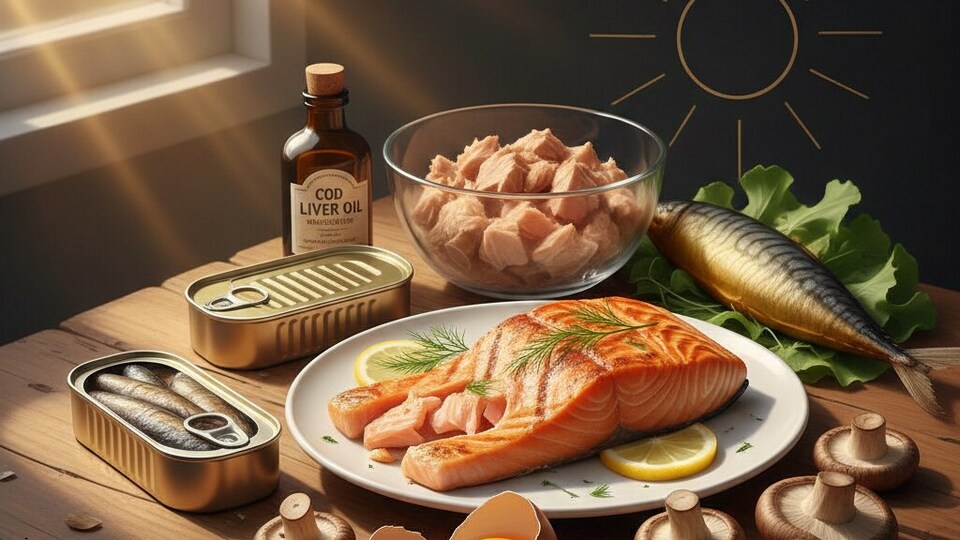
Sunlight exposure is often limited during winters, which makes it essential to include food sources in your diet to prevent deficiency.
Reduced sunlight exposure during winters quietly pushes a large section of the population toward vitamin D deficiency. While the issue is often underestimated, its consequences are far-reaching - ranging from bone pain and muscle weakness to joint stiffness and increased fracture risk. Medical experts warn that during winter months, diet becomes a critical tool to maintain adequate Vitamin D levels.
Also Read | Fitness trainer reveals women are at greater risk of muscle loss in winter; shares 4 tips to prevent
HT Lifestyle reached out to two orthopaedic experts - Dr Abhishek Vaish, Orthopaedic, Joint Replacement and Sports Injury Specialist at Apollo Hospital, and Dr Akhilesh Rathi, Director of Robotics, Joint Replacement and Orthopaedics at Sri Balaji Action Medical Institute and founder of Rathi Orthopedic and Spine Clinic - to discuss wintertime vitamin D deficiency and the most effective ways to optimise levels through diet.
Vitamin D and winters
As daylight hours and sun exposure decline during winter, vitamin D levels in many people tend to drop as well. Dr Vaish highlights, “We routinely see patients complaining of unexplained knee pain, backache, and muscle fatigue during winter. In many cases, the underlying cause turns out to be Vitamin D deficiency aggravated by lack of sun exposure.”
He explains that vitamin D is essential for calcium absorption and bone mineralisation. When sunlight-driven synthesis drops, nutritional sources play a compensatory role - and a thoughtful winter diet can significantly help prevent deficiency.
Fatty fishes
According to Dr Vaish, salmon, mackerel, sardines and tuna are among the richest natural sources of vitamin D. He recommends including them regularly in your diet - at least two to three times a week - as this can help support bone density and muscle strength.
He notes, “Vitamin D from fatty fish is highly bioavailable and supports joint health, particularly in individuals with early arthritis or age-related bone loss.”
Egg yolks
Dr Rathi emphasises that egg yolks are often the most overlooked source, but they provide a steady amount of vitamin D, along with essential fats. For non-vegetarians, eggs are an easy addition to winter meals.
He explains, “Egg yolks are nutritionally dense and help improve vitamin D intake without major dietary changes. When consumed sensibly, they benefit immunity and musculoskeletal health.”

Fortified foods
Fortified milk, yoghurt, cereals, and plant-based milk alternatives have emerged as practical vitamin D sources, especially for vegetarians. These foods are widely recommended during winter.
Dr. Rathi notes, “Fortified foods are extremely useful for people who spend most of their day indoors - office workers, students, and elderly individuals - who get minimal sun exposure.”
UV-exposed and sun-dried mushrooms
According to Dr Rathi, certain mushrooms naturally produce vitamin D when exposed to ultraviolet light, making them another great source. Sun-dried mushrooms can be incorporated into curries, soups, and stir-fries.
He explains, “This is one of the few plant-based natural Vitamin D options and works well for those avoiding animal products.”
Cod liver oil and select dairy products
Dr Vaish highlights that cod liver oil remains one of the most concentrated dietary sources of vitamin D. Cheese and butter contribute smaller amounts but can support daily intake when eaten as part of a balanced diet. He cautions, “While food helps maintain levels, individuals with deficiency may still require medical supplementation after proper testing.”
In a season when sunlight is limited, informed dietary planning and expert advice remain the most effective tools to safeguard long-term health. Both doctors stress that persistent bone pain, muscle cramps, fatigue, or frequent infections during winter should not be ignored. Dr Vaish concludes, “Timely screening, dietary correction, and guided supplementation can prevent long-term bone and joint complications.”
Adding to this, Dr Rathi emphasises a preventive approach, stating, “Vitamin D deficiency is not just a bone issue - it impacts immunity, energy levels, and overall well-being. Winter should be seen as a time to proactively support the body through nutrition, testing when required, and medical guidance rather than waiting for symptoms to appear.”
Note to readers: This article is for informational purposes only and not a substitute for professional medical advice. Always seek the advice of your doctor with any questions about a medical condition.


Catch your daily dose of Fashion, Taylor Swift, Health, Festivals, Travel, Relationship, Recipe and all the other Latest Lifestyle News on Hindustan Times Website and APPs.


