
 E-Paper



Osteoporosis can weaken your bones without symptoms; doctor explains the signs and risk factors to watch for

 Prefer HTon Google


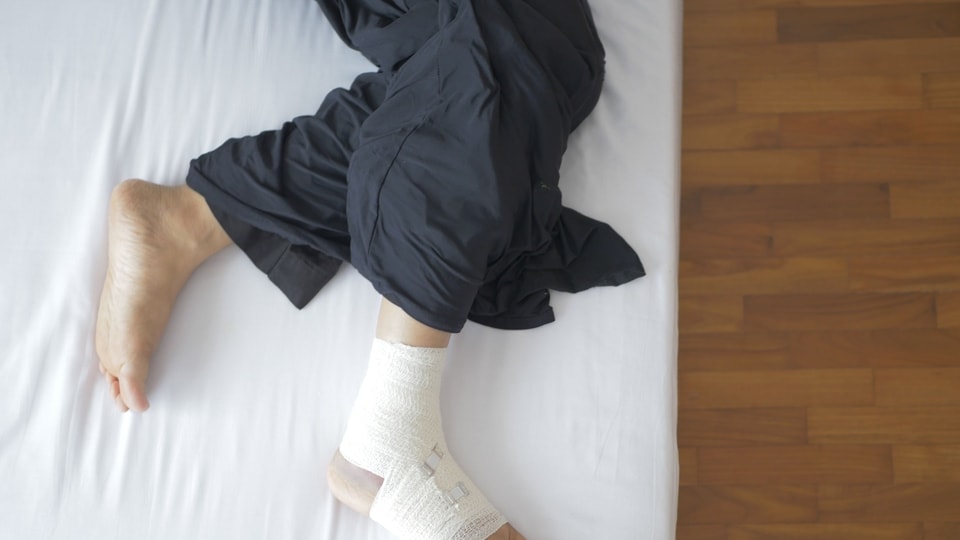
Weak bones often go undetected until a fracture occurs; here’s how to recognise your osteoporosis risk.
Doctors call osteoporosis a silent disease, and the name fits. Bones can lose strength for years without a single symptom. You walk fine, you feel fine, you get on with your day. Then one ordinary moment, a small slip or an awkward twist, ends in a fracture that a healthy bone would have shrugged off. In an interview with HT Lifestyle, Dr Ramkinkar Jha, senior orthopaedic surgeon and director, robotic joint replacement and orthopaedics, CK Birla Hospital, Gurugram, explained the signs and risks of osteoporosis.
Why does osteoporosis go unnoticed?
According to Dr Jha, bone is living tissue. It’s always being broken down and rebuilt. As we age, the breakdown starts to win over the rebuilding. Osteoporosis is what you get when density and quality drop far enough that fractures become likely.
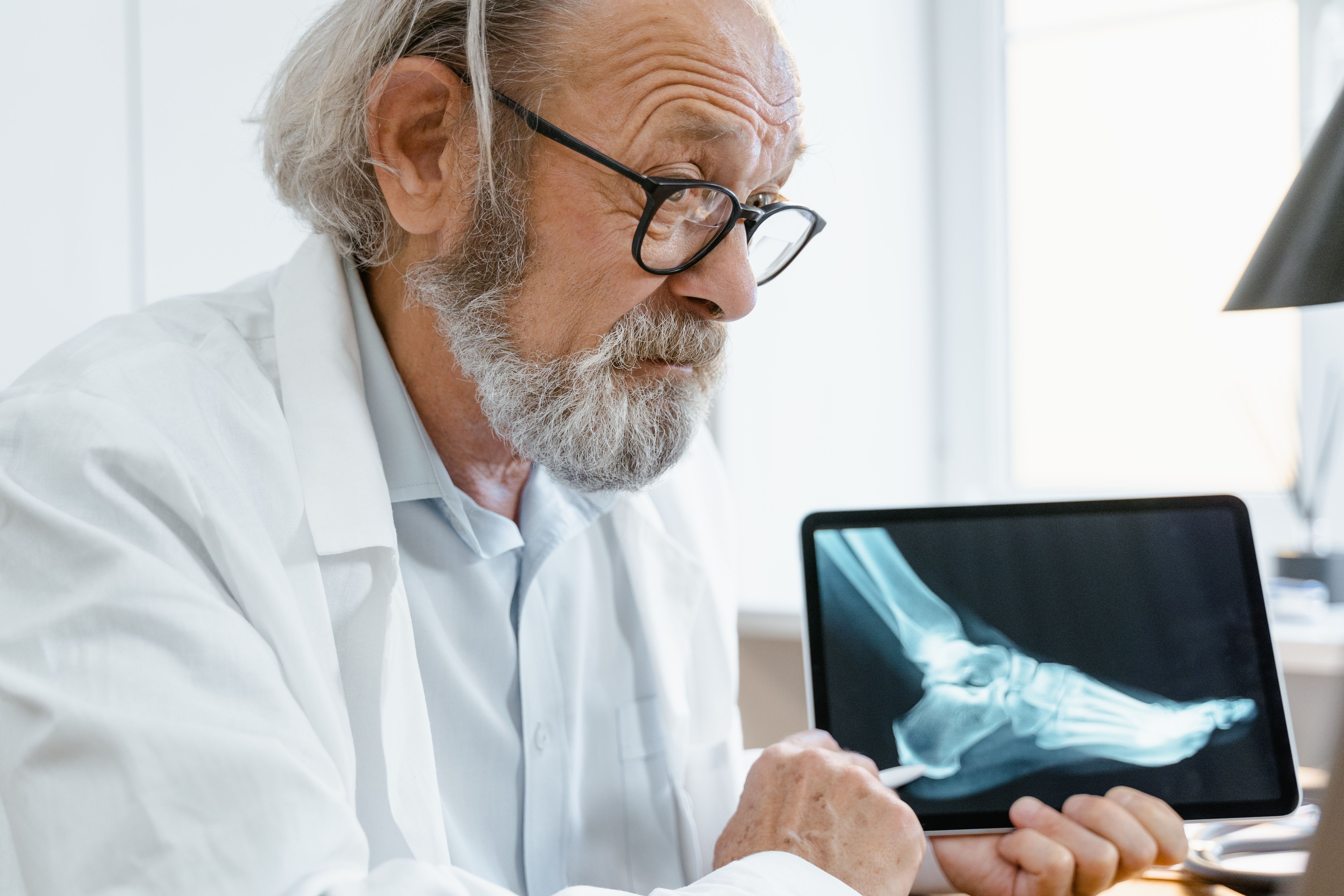
It becomes more common with age, and especially after menopause, when falling oestrogen speeds up bone loss. But women past menopause aren’t the only ones affected. Men get it too. So do people with certain medical conditions or nutritional deficiencies, people on steroid medicines for a long time, and people whose family has a history of hip fractures. Because the process doesn’t hurt, how you feel is a poor guide.
Signs that a bone may already be fragile
Osteoporosis itself seldom announces itself. What people notice are the effects of weakened bones. These four deserve attention.
1. A fracture from a minor fall
If you break a bone falling from standing height, or in an accident that seems too trivial to cause one, see a doctor. This is called a fragility fracture, and it often points to fragile bones. The wrist, hip and spine are the usual sites.
2. Losing height
Shrinking isn’t just a part of getting old. Small compression fractures in the spine can make you shorter, sometimes without any pain. Tell your doctor if you’ve lost about 2 cm over time, or around 4 cm compared with your height as a young adult. Measure yourself once a year.
3. A change in posture
A new stoop or a rounder upper back can come from spinal fractures. Posture shifts for plenty of reasons, but if it changes noticeably, especially along with height loss or back discomfort, bring it up with your doctor.
4. New back pain with no clear cause
Osteoporosis on its own usually isn’t painful. A fracture in a weakened vertebra, though, can cause sudden or lingering back pain. Don’t brush off new back pain, particularly in an older adult or someone with risk factors.
Risk factors count even when you feel fine
“Several things raise the chance of bone loss: a family history of osteoporosis or hip fracture, early menopause, low body weight, smoking, heavy drinking, too little calcium, and long-term corticosteroid use,” highlighted Dr Jha.
Thyroid problems and conditions that interfere with absorbing nutrients can also play a part. Having a risk factor doesn’t mean you have osteoporosis. It’s simply a good reason to talk to your doctor about your bones.
Who should get tested?
As a general rule, bone density testing is recommended for women from 65 and men from 70. It’s advised sooner for postmenopausal women and older men with risk factors, for anyone who has had a fragility fracture, and for people on long-term steroids. If any of this describes you, don’t wait for a milestone birthday. Ask your doctor.
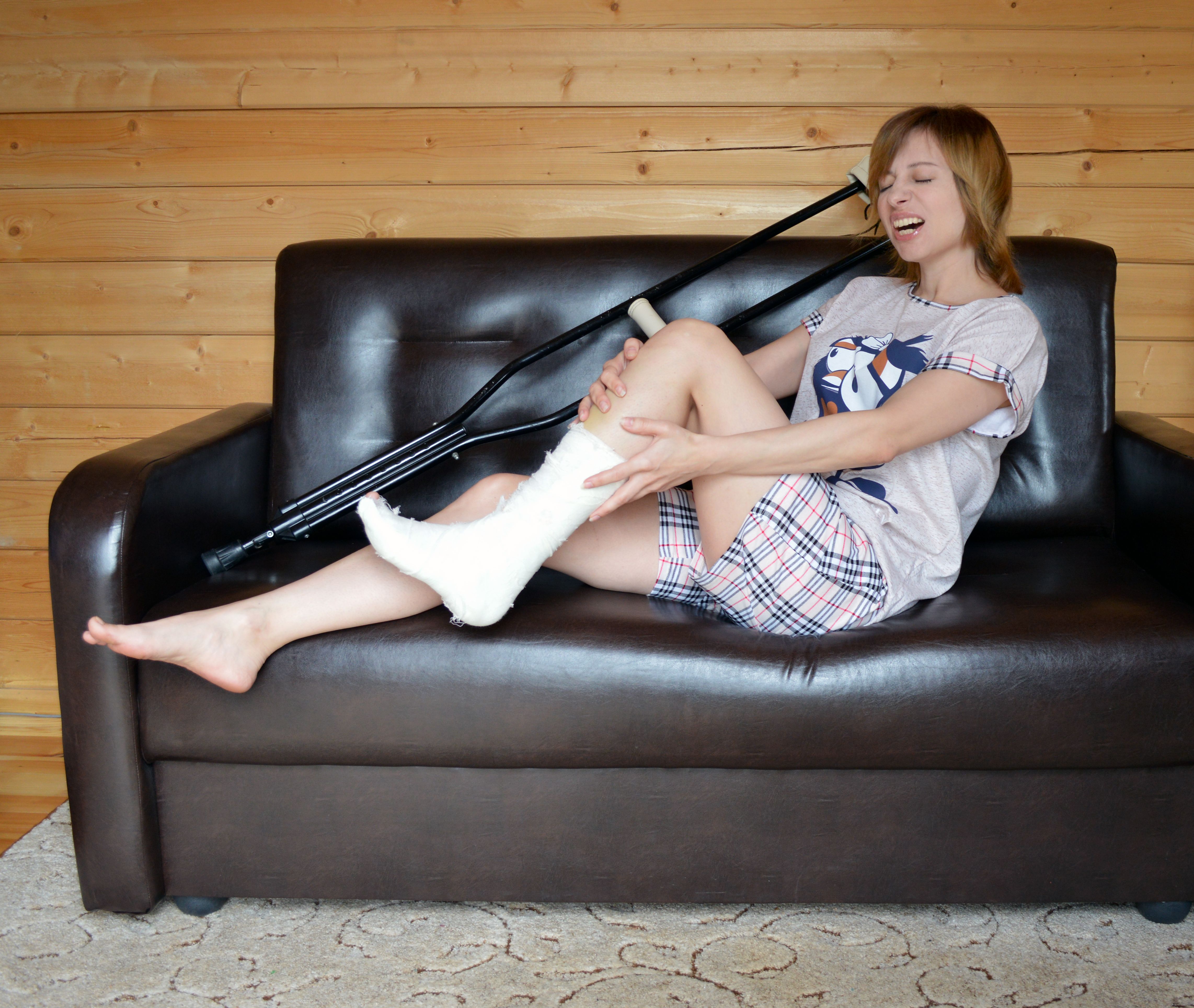
Looking after your bones
“Protecting bone health comes down to steady habits, not one dietary fix,” said Dr Jha. Eat a balanced diet with enough calcium and protein. Vitamin D helps you absorb calcium, and supplements can make sense when a deficiency or a higher need has been identified.
Weight-bearing activity such as walking, plus suitable resistance exercises, keeps bones and muscles strong. Balance training matters just as much, because fewer falls mean fewer fractures. At home, good lighting, non-slip mats and clear walkways make a real difference. If you already have osteoporosis or have had fractures, tailor your exercise to what you can safely do.
Quit smoking, cut back on alcohol, and ask your doctor to review any medicines that could be weakening your bones. If you’ve been diagnosed with osteoporosis, you may need prescription treatment to lower your fracture risk.
Note to readers: This article is for informational purposes only and not a substitute for professional medical advice. Always seek the advice of your doctor with any questions about a medical condition.

Catch your daily dose of Fashion, Taylor Swift, Health, Festivals, Travel, Relationship, Recipe and all the other Latest Lifestyle News on Hindustan Times Website and APPs.


