
 E-Paper



Should fibre-fortified snacks be considered as ‘fake fibre’? UK surgeon explains

 Prefer HTon Google


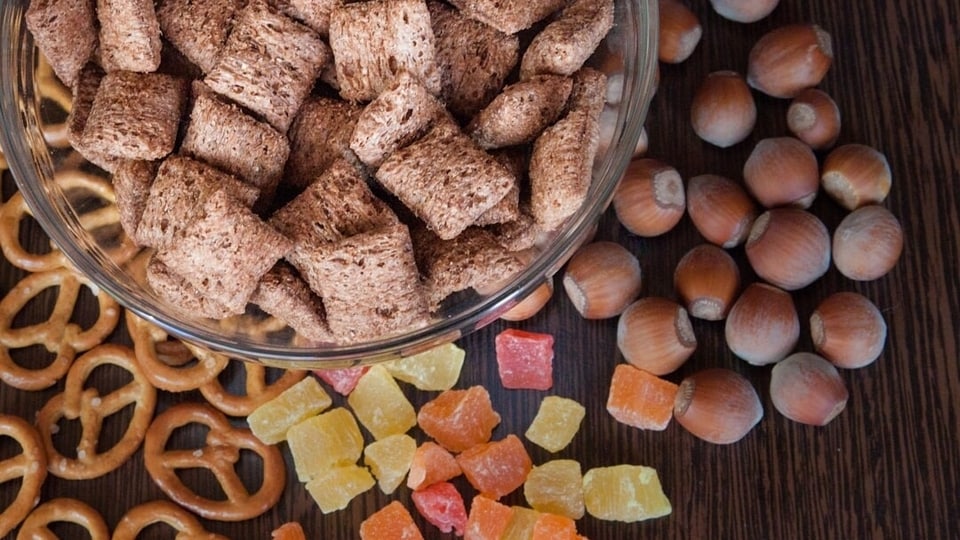
The types of fibres in fortified snacks are limited, and it does give nutritional benefits of whole foods. However, there are ways it helps, shares Dr Rajan.
Fibre is one of the most essential macronutrients that the body needs, but is often found lacking in diets. The introduction of snacks with added fibre in the supermarket seeks to address this very issue.
However, many are cautious about the effects of such fibre-fortified snacks on health, and even claim such fibres to be fake. Taking to Instagram on May 21, Dr Karan Rajan, a UK-based surgeon and health content creator, explained whether such criticism holds merit.
How fibre-fortified snacks actually help
According to Dr Rajan, irrespective of the fact whether the fibre that we consume comes from a blueberry or a fibre-fortified snack, the fibre molecule is perceived by the gut bacteria in largely the same way. This means that it gets fermented, produces short-chain fatty acids, and feeds the gut microbiome.
“The core chemistry of what happens when fibre reaches your colon does not fundamentally change because of where the fibre came from. If added fibre helps someone get 30 grams a day who otherwise would not, that is unambiguously a good thing,” shared Dr Rajan.
Difference between fibre from fortified snacks and whole foods
However, the surgeon did note that there are two major differences between getting the daily fibre requirement from fortified snacks instead of whole foods.
“When you eat a handful of berries, you're not eating fibre. You're eating fibres, plural. Pectins, cellulose, hemicellulose, and resistant starches simultaneously,” shared Dr Rajan.
“Each one does a different job, and those fibres come packaged with polyphenols, antioxidants, vitamins and micronutrients, and these have their own independent effects on the microbiome. They all work synergistically, and that synergy is what a fortified snack can't replicate.”
The second difference comes from the type of fibre that gets added to snacks and why.
“Food manufacturers are constrained by heat stability, texture, sensory profile and cost,” highlighted Dr Rajan. “And this very restrictive combination favours a short list of candidates.”
Therefore, the most commonly used fibre in fibre-added snacks is inulin, which is derived from chicory roots. “It's cheap, flavour-neutral, heat-stable and dissolves cleanly. It's not the best fibre you can get, but it does something,” noted Dr Rajan.
“If fibre-fortified snacks help you bridge the fibre gap between where you are and where you need to be, use them. They are not bad fibre, and any fibre that you actually eat is more valuable than the perfect fibre you never consume,” he added.
Note to readers: This article is for informational purposes only and not a substitute for professional medical advice. Always seek the advice of your doctor with any questions about a medical condition.
This report is based on user-generated content from social media. HT.com has not independently verified the claims and does not endorse them.


Catch your daily dose of Fashion, Taylor Swift, Health, Festivals, Travel, Relationship, Recipe and all the other Latest Lifestyle News on Hindustan Times Website and APPs.


