
 E-Paper



Signs and symptoms of seizures in newborns and young kids; here's how to treat

 Prefer HTon Google


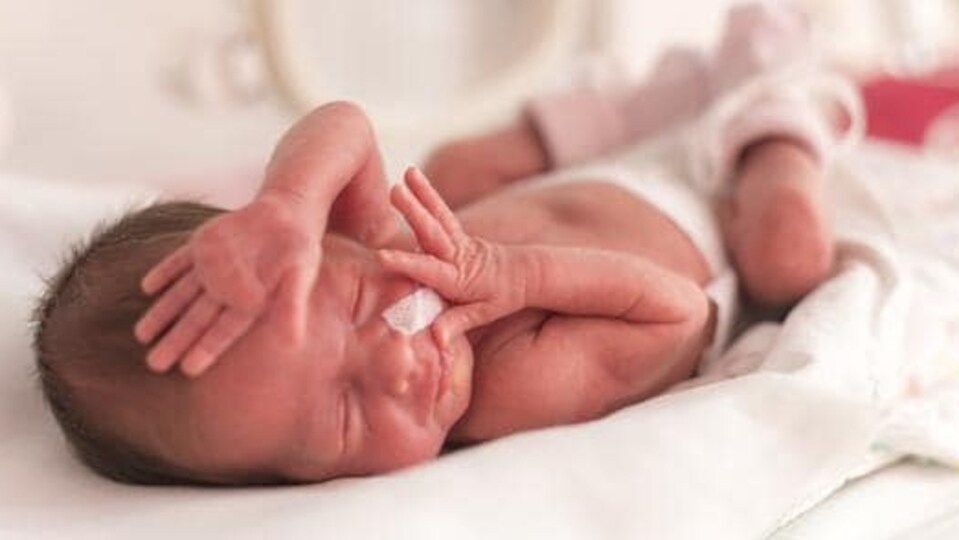
Undiagnosed seizures, in turn, can contribute to future difficulties in concentrating, and learning. Here are the signs of neonatal seizures you should know.
Neonatal seizure or seizures in newborns is a common neurological condition in young kids. It's important to recognise signs of seizure in your kids because if not spotted on time it can lead to future complications in learning and concentrating. They could even be fatal. Seizures can affect around 1 in every 100,000 newborns, and it is not so easy to detect them as the signs could be subtle. Abruptly stopping in between activities, repetitive movements of arms or legs, spasms are some of the telltale signs of neonatal seizures. Lack of oxygen before or during birth, stroke during or after pregnancy, blood clot in the brain, malformation of brain are among some common causes of such seizures. (Also read: How babies and puppies help mothers to speak more: Study)
"While recognizing seizures in babies is challenging, early identification is critical. Seizures are more frequently due to another issue throughout childhood than at any other age. Because this is a vital stage of brain development, the ramifications are far-reaching. If a baby's brain cannot process information properly, he or she may suffer significant developmental delays. Undiagnosed seizures, in turn, can contribute to future difficulties in concentrating, remembering, and learning. It is even potentially fatal. Seizures affect around one in every 100,000 newborns, and they can be difficult to detect even as an expert or parent," says Dr. Tushar Parikh, Senior Consultant Neonatologist & Paediatrician, Motherhood Hospital, Kharadi, Pune in an interview with HT Digital.
Infants can have a variety of seizures, including newborn seizures, febrile seizures, and infantile spasms. Not all seizures are caused by epilepsy. Infant seizure symptoms might be modest. If seizures are suspected, immediate medical attention is required.
Symptoms of febrile seizures
"Febrile seizures are a common occurrence in children. A few children will have one at some time and around the age of 6 months up to 5 years. Most children outgrow them by the time they turn 6. While it is scary to parents, febrile seizures do not last long and do not cause brain damage, learning disabilities, or epilepsy. One can get this seizure due to high fever, viral infection such as flu or an ear infection, or having a family history of seizures. The symptoms are fluttering eyelids or rolling the eyes, jerking or twitching of the muscles of the arms and legs, clenching the teeth or jaw, loss of bladder or bowel control, unconsciousness, and breathing difficulties," says Dr Parikh.
Symptoms of infantile seizures
Some indicators of different types of infantile seizures include:
- Random and sudden stops in activities, with gaze slightly to the side.
- Arms or legs moving in a repetitive and rhythmic manner that cannot be stopped.
- Spasms that occur repeatedly.
- The sudden tonic posture entails holding the forearms flexed or extended for many seconds
Causes of neonatal seizures
There are several reasons for neonatal seizures. These are some examples:
- Lack of oxygen before or during birth as a result of placental abruption (premature removal of the placenta from the uterus), difficult or lengthy labour, or umbilical cord compression.
- Bacterial meningitis, viral encephalitis, toxoplasmosis, syphilis, or rubella infection acquired before or after birth
- Stroke during or after pregnancy
- A blood clot has formed in the brain.
- The brain is bleeding.
- Birth malformations in the brain.
- Imbalances in blood sugar or electrolytes.
- Maple syrup urine illness, pyridoxine dependence, and phenylketonuria (PKU) are examples of metabolic diseases.
- Babies born to moms who are addicted to barbiturates, alcohol, heroin, cocaine, or methadone may experience drug withdrawal.
- Familial or genetic cause for seizure
What to do if your baby has a seizure
- To limit the danger of damage to a newborn suffering a seizure, keep them away from any harsh objects.
- When the environment is safe, roll them onto their side to avoid choking.
- Avoid putting anything in the baby's mouth or attempting to halt any mouth motions, such as tongue biting, since this might cause injury.
- Call for an ambulance immediately if your child is struggling to breathe or turning blue and is having symptoms for more than 5 minutes.
- Pregnancy and delivery problems, infection, brain abnormalities, genetic or metabolic disorders, and electrolyte imbalances are all causes of seizures in neonates.
Treatment of seizures in infants
"Seizures in infants can be treated with medication as well as therapy tailored to the underlying cause of the seizures," says Dr Parikh.
"The doctor will suggest the child's medication which the parents should ensure that they give it on time. Give the medication as per the dosage indicated by the doctor. The parents should stay calm and avoid panicking. Try to stay in touch with the doctor to update you about the child’s condition. Febrile seizures tend to repeat with subsequent febrile episodes. Fortunately, febrile seizures do not affect the child in neurodevelopmental progress. It is very important to take your doctors opinion in case of seizures as it may have far reaching implications. It is an emergency warranting urgent taking child to ER," adds Dr Parikh.


