
 E-Paper



Struggling with migraines? AIIMS-trained neurologist shares 7 tips to manage and prevent symptoms

 Prefer HTon Google


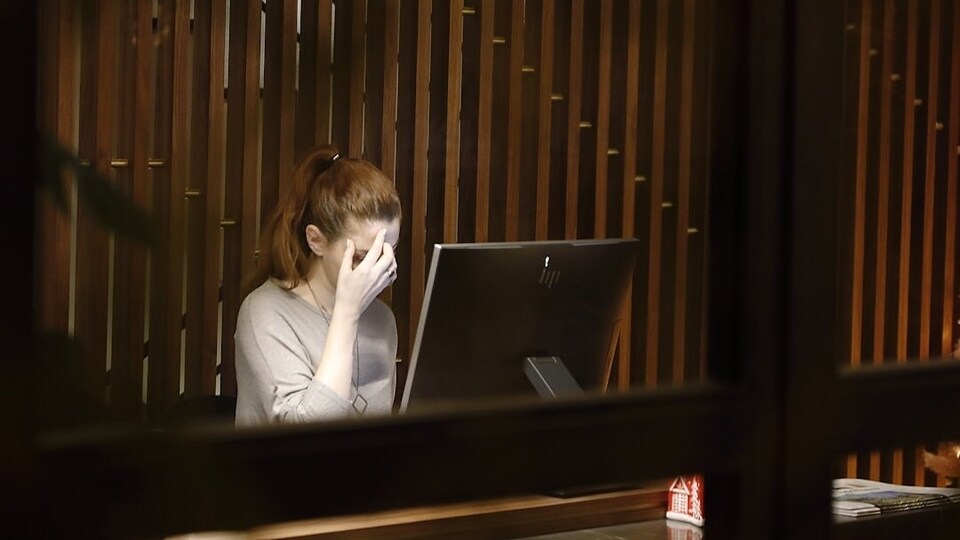
Certain lifestyle changes can help prevent severe discomfort from migraines. Dr Sehrawat shares 7 tips for migraine patients.
Living with migraines can be debilitating, often marked by intense, throbbing headaches that feel overwhelming and difficult to escape. While these episodes can be triggered by a variety of factors, everyday habits – from what you eat to how well you sleep – can play a significant role in either worsening or preventing them. The good news is that making simple, consistent lifestyle changes can help reduce the frequency of attacks and make symptoms more manageable.
Dr Priyanka Sehrawat, a general physician and neurologist trained at AIIMS, New Delhi, and currently associated with The Neuromed Clinic in Gurugram, has shared seven practical tips to help migraine patients manage and prevent headaches, in an Instagram video posted on March 22. She lists them as follows:
1. Eat breakfast on time
Dr Sehrawat cautions against skipping or delaying breakfast, emphasising that starting the day on an empty stomach can trigger migraines. She stresses that one should never head to work without eating, and highlights the importance of starting the day with a proper breakfast. She emphasises, “Eat breakfast on time. Do not skip breakfast. Do not remain on an empty stomach. Don't go out to work on an empty stomach.”
2. Drink enough water
Dr Sehrawat recommends maintaining adequate hydration throughout the day, emphasising that dehydration can be a cause for migraines. She advises aiming for around two to three litres of water daily. She states, “The next tip is to drink water daily; two to three liters of water in a day is necessary.”
3. Weight management
The neurologist advises maintaining a healthy weight, especially if you are overweight or obese, as it can help in managing migraines. She stresses, “Control your weight; if you are obese or overweight, try to control your weight.”
4. Reduce alcohol and smoking
Alcohol consumption is toxic to the body and can trigger severe, crushing headaches, while excessive nicotine from tobacco can also act as a potent migraine trigger. Dr Sehrawat advises, “Reduce smoking and alcohol consumption.”
5. Good sleep hygiene
The neurologist highlights the importance of good sleep hygiene, noting that poor sleep can disrupt the circadian rhythm and trigger migraines. She recommends sticking to a consistent sleep schedule, going to bed and waking up at the same time every day. Dr Sehrawat stresses, “It is very important to take care of your sleep – get seven to eight hours of sleep. Maintain a regular sleep timing from 10 pm to 5 am.”
6. For night shift workers
Shift work can disrupt your entire routine, but the neurologist emphasises that it’s still essential to get seven to eight hours of sleep, even if that means sleeping during the day. She also stresses the importance of keeping your meal timings consistent and ensuring adequate water intake.
Dr Sehrawat explains, “Night shift workers can try to have seven to eight hours of sleep during the daytime, but try to maintain your meal timings and your water intake. Often when you come back from working a night shift, the day's meal timings and water intake become zero; try to maintain those so that you have two to three liters of water intake within 24 hours.”
7. Reduce screen time
Dr Sehrawat adds that reducing screen time is a key part of good sleep hygiene. She recommends switching off all screens at least two hours before bedtime – a habit that’s just as important for children as it is for adults.
The neurologist explains, “Sleep hygiene techniques are important, which also include having no screen time two hours before you go to sleep. Therefore, if you have to go to sleep at 10:00 pm, do not use screens after 8:00 pm. Keep this in mind for children as well.”
Note to readers: This article is for informational purposes only and not a substitute for professional medical advice. It is based on user-generated content from social media. HT.com has not independently verified the claims and does not endorse them.


Catch your daily dose of Fashion, Taylor Swift, Health, Festivals, Travel, Relationship, Recipe and all the other Latest Lifestyle News on Hindustan Times Website and APPs.


