
 E-Paper



Surprising benefits of mooli or radish from managing diabetes to preventing cancer

 Prefer HTon Google


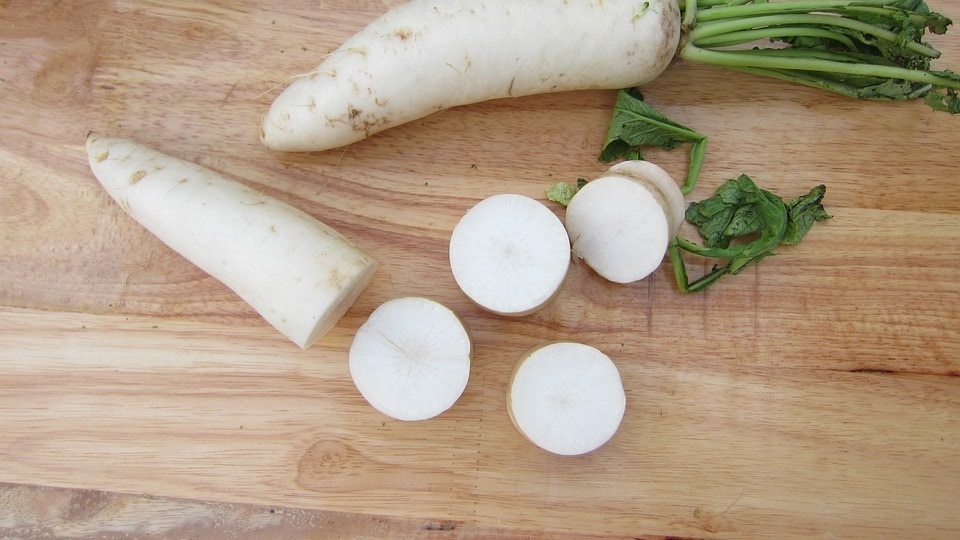
Mooli or radish not only enhances your eating experience during winters, it is also the much-needed superfood that can give your immunity a boost.
Mooli or radishes are abundant in winter season and is widely used in Indian kitchen during this time. From salad, paratha, achaar, chutney to kofte and curries, you can add the humble mooli to your diet in many forms and ways. Mooli not only enhances your eating experience during winters, it is also the much-needed superfood that can give your immunity a boost. If you are a saag lover or fond of all things green during winters, mooli leaves can be added to your grocery list. Mooli leaves are a storehouse of Vitamin C, Vitamin B6, magnesium, phosphorus and iron and also make your bones stronger being a good source of calcium. Want to detox post Diwali? Mooli can be your companion as it is low in calories, aids digestion and improves metabolism. Radish juice also has compounds that can help in liver detoxification. (Also read: New Omicron subvariants spreading fast; foods you must eat to boost immunity)
"Radishes, also called mooli is a common vegetable that is used in Indian kitchens. Thought to merely be an accompaniment to salads, radish has a large number of health benefits," says nutritionist Lovneet Batra in her latest Instagram post as she also lists some wonderful benefits of mooli.
BENEFITS OF MOOLI
Anti-cancerous properties: Eating cruciferous vegetables like radishes may help prevent cancer. According to a study, cruciferous vegetables contain compounds that are broken down into isothiocyanates when combined with water. Isothiocyanates help purge the body of cancer-causing substances and prevent tumour development.
Manages Diabetes: The potent anti-diabetic properties of radish trigger the immune response, enhance glucose uptake and regulate blood sugar levels. Adiponectin is a hormone that is responsible for regulating blood glucose levels. Radishes contain bioactive compounds that regulate adiponectin and play a vital role in controlling glucose homeostasis.
Great for digestive system: Radish offers a combo of soluble and insoluble fibre, which is great for your GI tract. Fibre helps prevent constipation by bulking up your stool to help waste move through your intestines.
Antihypertensive effects: Radishes are a good source of potassium which helps regulate blood pressure levels and keep the heart functioning properly. They contain compounds called anthocyanins that help improve blood circulation and lower blood pressure.


