
 E-Paper



Think you are safe from kidney stones? Doctor says these foods could be your enemy

 Prefer HTon Google


Is your summer diet giving you kidney stones? Read this before your next BBQ.
Kidney stones, medically termed as renal calculus, are hard, stone-like structures that form inside either or both the kidneys. These are formed due to the excess amount of certain minerals found in the urine.
These common habits are a recipe for kidney stones
In an interview with HT Lifestyle, Dr Dilip Dhanpal, MBBS, MS - General Surgery, MCh - Urology at Apollo Spectra Hospital in Bangalore, shared, “Renal calculus can vary in multiple ways, as the stones can form in various sizes, from a minute grain-like size to the size of a pea and also to the size of a golf ball. In worst cases, the colour of these materials will either be brown or yellow. If treated with required medical care, an individual can avoid suffering from any permanent damage.”
Like the variation in the sizes and the colours, the texture of these stones can also differ. Dr Dilip Dhanpal revealed, “Some can appear jagged and others can appear smooth. A tiny stone can seamlessly pass through the urinary tract, barely causing any pain. However, a large kidney stone will not pass through, leading to difficulty in urine flow, which causes extreme pain and bleeding. Formation of concentrated urine can occur following the intake of improper amounts of fluids. Due to this, the minerals will remain in the kidneys, which will group to form solid deposits.”
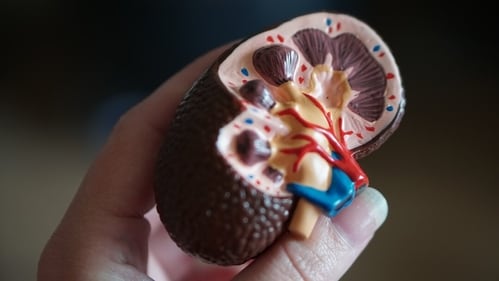
The three core factors that contribute to stone formation include:
- Calcium oxalate: A recurring component of kidney stones.
- Uric acid: Gathers in the urine due to extreme intake of high-purine foods such as red meat, shellfish and high intake of beverages like alcohol.
- Phosphate and cystine: Stone formation among people with specific metabolic conditions.
That summer dehydration could land you in the ER
Dr Dilip Dhanpal explained, “During excessive heat in summer, the human body sweats more frequently, leading to a huge dip in the amount of fluid loss, including electrolytes, which include potassium, sodium and magnesium. If not hydrated up to a required amount, the body will become unable to maintain the internal balance, which is a huge necessity for normal kidney function.”
He elaborated, “Due to the minimal amount of fluid present in the body, there will be a reduced amount of blood for circulation, impacting the filtering of waste in the kidneys. Dehydration in this weather can also lead to muscle breakdown, harming the kidneys; it will also damage the nerves, muscles and heart function due to electrolyte imbalance.”

Concluding, Dr Dilip Dhanpal advised, “Kidney stones due to summer dehydration can be prevented by consuming a required amount of fluids, with water being given the utmost priority. Also include fruit juices containing citrate, as it helps with preventing stone formation."
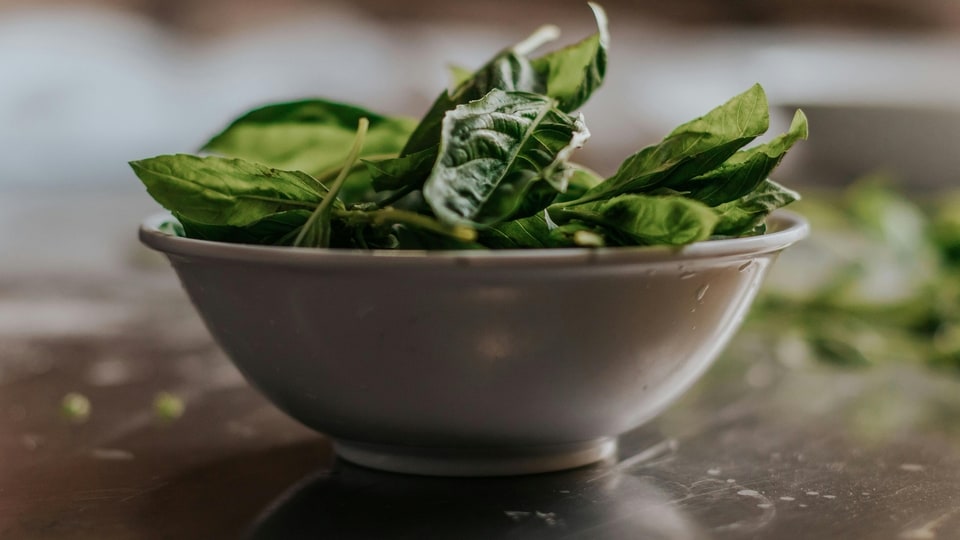
And what should one avoid? The doctor suggests minimizing salt intake, as that will increase calcium in the urine and also avoid oxalate-rich options such as spinach and nuts.
Note to readers: This article is for informational purposes only and not a substitute for professional medical advice. Always seek the advice of your doctor with any questions about a medical condition.


Catch your daily dose of Fashion, Taylor Swift, Health, Festivals, Travel, Relationship, Recipe and all the other Latest Lifestyle News on Hindustan Times Website and APPs.


