
 E-Paper



What are the first signs of a stroke? Doctor explains face drooping, arm weakness and speech problems

 Prefer HTon Google


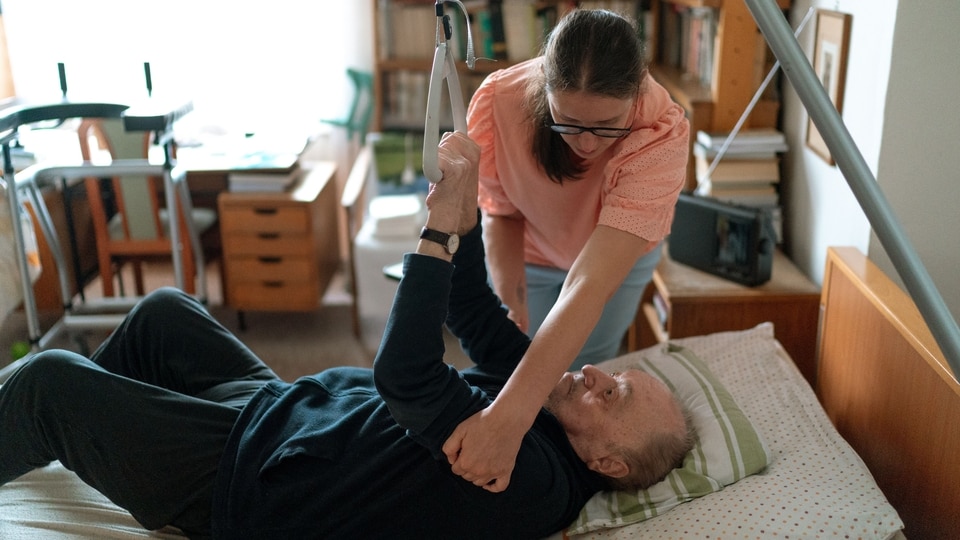
From a drooping face to difficulty speaking, here are the most recognisable signs of stroke that you need to know about.
A stroke can occur suddenly, leaving little time to understand what is happening. A person who was speaking normally moments ago may suddenly struggle to find the right words, experience weakness in one arm or develop an uneven smile. While these symptoms may appear minor or temporary, they can signal a medical emergency that requires immediate attention. Recognising the warning signs of a stroke and acting without delay can make a significant difference to a person's chances of recovery. In an interview with HT Lifestyle, Dr S K Jaiswal, clinical director and HOD, neurology, CARE Hospitals, Banjara Hills, Hyderabad, shared signs of stroke.
Understanding the FAST approach
The FAST approach is a simple way to recognise some of the most common signs of a stroke.
Face: Ask the person to smile. Does one side of the face droop, or does the smile appear uneven? Sudden facial weakness can indicate a stroke.
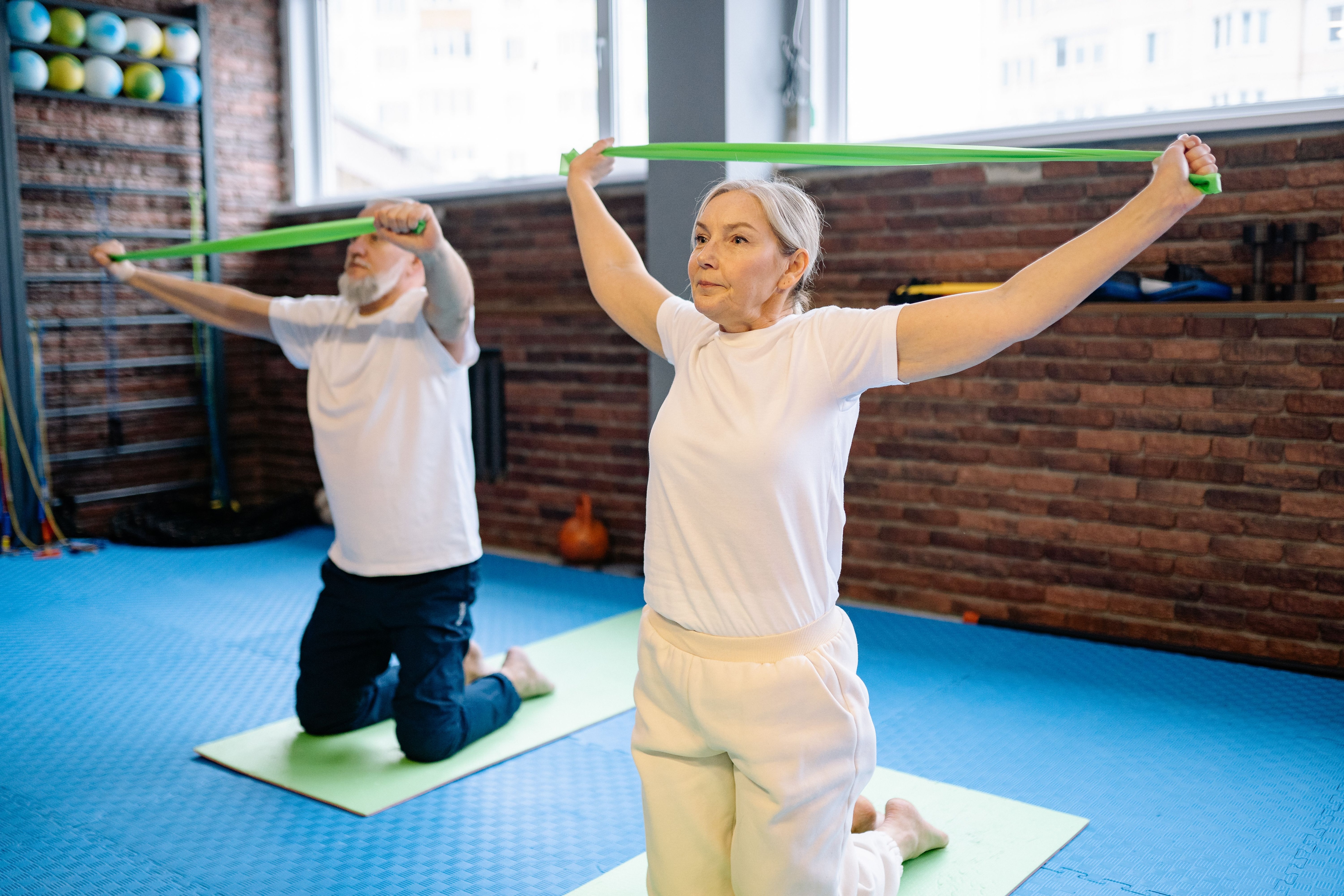
Arm: Ask the person to raise both arms. Does one arm drift downward, or are they unable to lift or hold it up? Sudden weakness or numbness, particularly on one side of the body, is an important warning sign.
Speech: Ask the person to repeat a simple sentence. Is their speech slurred, unclear or difficult to understand? They may also struggle to find words or understand what others are saying.
Time: If any of these symptoms appear suddenly, seek emergency medical assistance immediately. Note the time when the symptoms first appeared, or when the person was last seen well, as this information can help doctors determine appropriate treatment options.
It is important to remember that a person does not need to show all three symptoms to be experiencing a stroke. Even one sudden warning sign warrants urgent medical assessment.
Other symptoms to watch for
Dr Jaiswal highlighted that although the FAST approach helps identify common stroke symptoms, a stroke can present in other ways as well. These include sudden numbness or weakness in the face, arm or leg, particularly on one side of the body, sudden difficulty seeing in one or both eyes, loss of balance or coordination, severe headache without an obvious cause.
These symptoms should not be dismissed as fatigue, dehydration, low blood pressure or the effects of ageing without appropriate medical evaluation. Stroke symptoms can vary depending on the part of the brain affected. Even if the symptoms disappear after a few minutes, the episode should not be ignored.
What should you do if someone shows signs of a stroke?
“If you suspect that someone is having a stroke, call emergency services and arrange immediate transport to a hospital equipped to assess and treat stroke patients. Do not give the person food, water or oral medication, as a stroke may affect their ability to swallow safely,” advised Dr Jaiswal. Avoid giving aspirin, because some strokes involve bleeding in the brain, and aspirin may worsen the condition.
Even if the person appears to recover quickly, do not cancel the emergency assessment. Prompt evaluation is essential to identify the cause of the symptoms and determine the appropriate next steps.

Who is at risk of a stroke?
According to Dr Jaiswal, stroke can affect people of all ages, although the risk generally increases with age. Certain medical conditions and lifestyle factors can significantly increase the likelihood of a stroke. These include high blood pressure, diabetes, high cholesterol, heart conditions such as atrial fibrillation, smoking, excessive alcohol consumption, physical inactivity and obesity. Regular health check-ups, monitoring blood pressure and blood sugar, managing cholesterol, taking prescribed medication and maintaining a balanced lifestyle can help reduce stroke risk
Note to readers: This article is for informational purposes only and not a substitute for professional medical advice. Always seek the advice of your doctor with any questions about a medical condition.


Catch your daily dose of Fashion, Taylor Swift, Health, Festivals, Travel, Relationship, Recipe and all the other Latest Lifestyle News on Hindustan Times Website and APPs.


