
 E-Paper



What is the ‘McDonald's migraine hack’? Neuroscientist explains if pairing cola with a side of fries can ease symptoms

 Prefer HTon Google



The “McDonald's migraine hack” is an internet trend that claims that pairing cola with a side of fries can help ease symptoms. Morgan explains is this works.
If you are chronically online, you’ve probably come across the so-called “McDonald’s migraine hack” – but for those unfamiliar, it’s exactly what it sounds like: sipping on a large cola and eating fries during a migraine attack, with many claiming it brings relief. While it may sound like just another quirky internet trend, the question remains – is it simply a placebo-fuelled fad, or is there actual science behind why this combination might help ease migraine symptoms?
Also Read | Struggling with migraines? AIIMS-trained neurologist shares 7 tips to manage and prevent symptoms
Morgan Fitzgerald, a neuroscientist specialising in migraine research and advocacy, is unpacking the science behind the “McDonald’s migraine hack” – a widely circulated internet trend that claims migraine attacks can be eased by pairing salty fries with a large cola. In an Instagram video shared on January 5, the neuroscientist highlights, “The McDonald's migraine hack explained by a neuroscientist. First, I'm Morgan. I'm a neuroscientist living with chronic migraine. The viral combo – a large Coke and a side of fries. Sounds random, right? But there's actual neuroscience here.”
The effect of caffeine on migraines
According to Morgan, a large glass of cola contains around 80 milligrams of caffeine. While there has long been debate about whether caffeine might help relieve migraines by constricting blood vessels, she explains that this so-called vascular theory was largely disproved over 15 years ago. Although blood vessels do still play a role in migraine attacks, she notes that they are not the primary pathway involved – and crucially, not the main mechanism through which caffeine acts in the migraine-prone brain.
Morgan explains that the main mechanism behind this hack lies in caffeine’s ability to block adenosine – a molecule that builds up during migraine attacks and intensifies symptoms like pain, fatigue, and sensory sensitivity. By inhibiting adenosine, caffeine can help dampen overactive pain pathways, potentially easing discomfort and reducing the overall intensity of the attack.
The neuroscientist elaborates, “So what does caffeine do then? Caffeine blocks a molecule called adenosine, a molecule that builds up during a migraine attack and amplifies pain, fatigue, and sensory sensitivity. So by blocking adenosine, caffeine can calm the trigeminal pain pathways, reducing the sensation of throbbing pain, and hyper-sensitivity to light and sound.”
The role of sugar as metabolic support
Cola also delivers a significant dose of sugar, which Morgan says may play a supportive role during a migraine attack. She explains that the brain’s glucose uptake can become impaired because its energy metabolism goes completely haywire during an attack. The quick surge of sugar can provide an immediate energy boost, helping stabilise neural activity – particularly if your migraines are triggered by skipped meals or low blood sugar.
She notes, “During a migraine attack, your brain's energy metabolism is completely dysregulated. Glucose uptake can be impaired. So, the sugar from the Coke gives your brain fast fuel, which can help stabilise neural activity, especially if skipped meals or low blood sugar are part of your trigger pattern. It's not a cure, but it is metabolic support.”
Salt in fries helps the nervous system
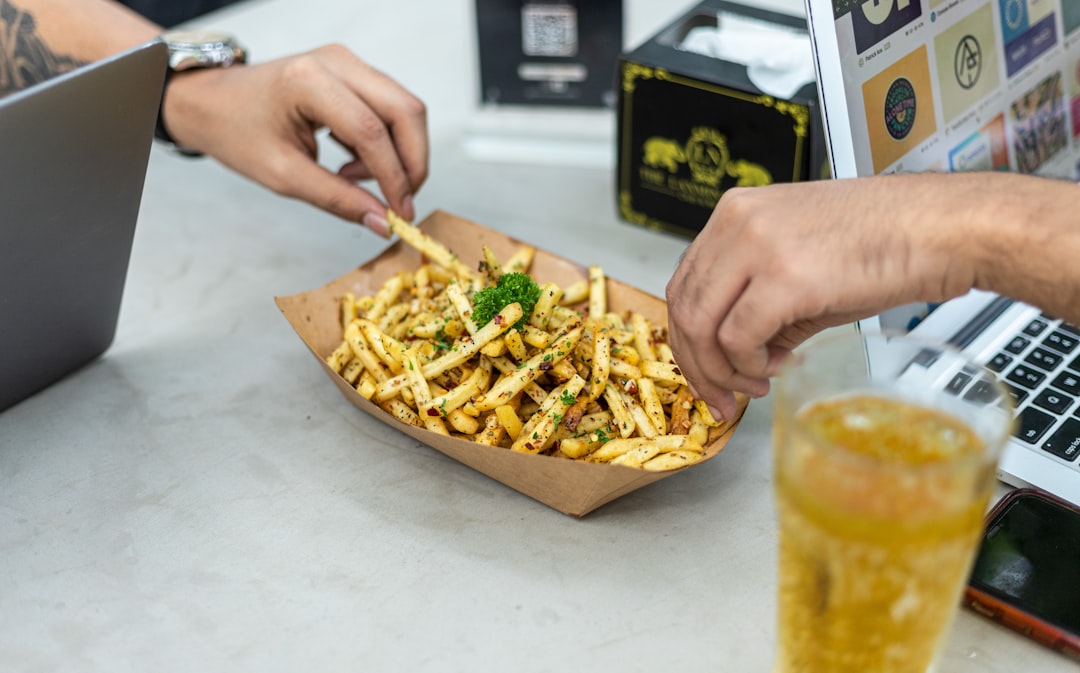
Coming to the fries, they are rich in salt, which Morgan says can play a role in easing certain migraine symptoms. Sodium helps maintain fluid balance and blood volume, and can have a calming effect on the nervous system for individuals prone to dehydration, low blood pressure or autonomic dysfunction. However, she stresses that this part may not work for everyone, but it can offer relief to some people.
She explains, “Salt helps maintain fluid balance and blood volume. For people prone to dehydration, low blood pressure, or autonomic symptoms, sodium can reduce stress on your nervous system. This part is not universal, but for the right person, it definitely helps.”
How to maximise the effects?
Morgan notes that this hack does come with a catch – it tends to be most effective when used early in the attack, particularly during the prodrome phase, when symptoms are just beginning to emerge. She emphasises, “Here's the catch. This hack works best early in an attack. So, probably during the prodrome phase. So, to sum up, this is not junk science, but it's not a cure either. It's neuroscience, context, and timing. But if the McDonald's hack works for you, now you know why.”
Note to readers: This article is for informational purposes only and not a substitute for professional medical advice. It is based on user-generated content from social media. HT.com has not independently verified the claims and does not endorse them.


Catch your daily dose of Fashion, Taylor Swift, Health, Festivals, Travel, Relationship, Recipe and all the other Latest Lifestyle News on Hindustan Times Website and APPs.


