
 E-Paper



World Blood Donor Day 2022: Are you physically fit to donate the blood? Know from experts

 Prefer HTon Google


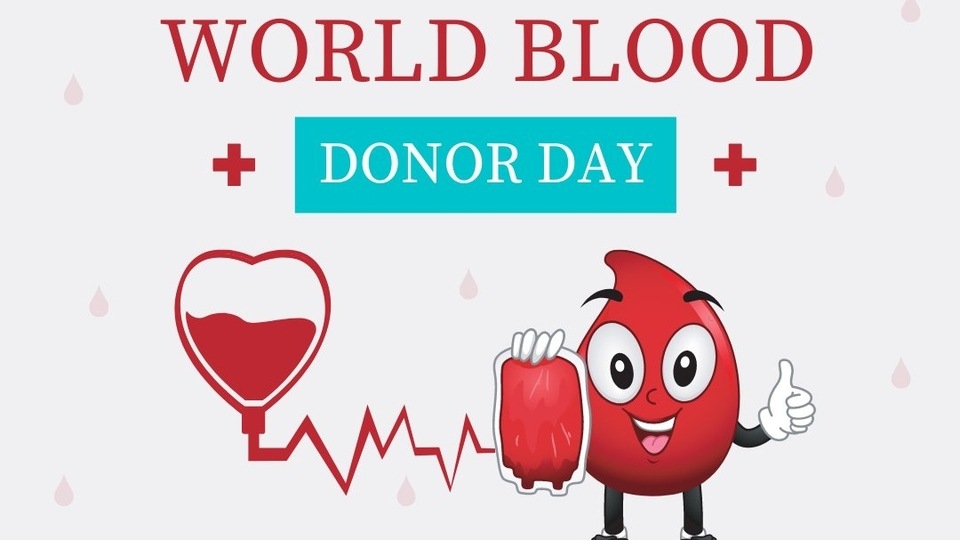
World Blood Donor Day 2022: Those who want to donate blood shall be in good health, mentally alert and physically fit. Check inside for the list of basic requirements for a blood donor, procedure for blood donation and who should temporarily or permanently defer from it
Observed by all member states of the World Health Organization, World Blood Donor Day is marked on June 14 to raise global awareness of the need for safe blood and blood products for transfusion, highlight the critical contribution voluntary and unpaid blood donors make to national health systems and also to support national blood transfusion services, blood donor organisations and other nongovernmental organisations in strengthening and expanding their voluntary blood donor programmes by reinforcing national and local campaigns. Blood donation is a noble act which can save many lives and any healthy person can donate blood - men can donate safely once in every three months while women can donate every four months between the age of 18-65 years.
Requirements or criteria for donating blood:
Donating blood is one of the most important types of donations because it can help in saving someone’s life but few know that donating blood has mental and physical benefits for the donor as well. However, any individual who wants to donate blood shall be in good health, mentally alert and physically fit and since only a single unit of blood (450ml) is collected from a donor, Dr Himanshu Lamba, Head And Consultant - Transfusion Medicine at HCMCT Manipal Hospital in Delhi's Dwarka, listed some basic requirements for a blood donor, in an interview with HT Lifestyle:
1. The minimum age for blood donation is 18 years and maximum age of a person to donate blood is 65 years
2. It is important that the weight of donor should be minimum of 55kgs
3. People must keep this in mind that there should be an interval of 90 days in males and 120 days in females for blood donation
4. The pulse of a donor should be between 60- 100 bpm before blood donation and their Haemoglobin should be >or =12.5g/dL
5. The donor shall not be a night shift worker without adequate sleep.
6. The donor shall not be fasting before the blood donation.
7. Before donating blood, the donor must not have consumed alcohol or show signs of intoxication.
8. The donor shall be free from any disease transmissible by blood transfusion.
9. The donor shall be free from acute respiratory disease.
According to Dr Ravindra Gupta, Department of Internal Medicine at Gurugram's CK Birla Hospital, blood donation is a simple and risk-free way to save people's lives. He revealed, “An average human body contains 4–6 litres of blood, depending on factors such as gender and body structure. Excessive blood loss can cause death and people lose their lives because of this. People must understand the importance of donating blood. Donating blood, can save at least 3 lives. People who are healthy can donate blood.”
He highlighted the certain criteria to become a blood donor:
1. The donor should be in the age group of 18 -65 years
2. He/she should not underweight and should weigh at least 45kg
3. A person must not donate blood if they do not meet the minimum haemoglobin level for blood donation. The threshold is a haemoglobin level of not less than 12.0 g/dl for females and not less than 13.0 g/dl for males.
Procedure of donating blood:
Sharing the steps that take place when one goes to donate blood, Dr Veena Shenoy, Associate Professor, Transfusion medicine at Kochi's Amrita Hospital, said, “Haemoglobin will be checked before blood donation. It should be more than 12.5 g/dL. The weight of the donor should not be less than 45 kg. Blood pressure, pulse, temperature should be within normal limits. Donor should have had a good sleep the previous night and should not be fasting. If you have any infection (respiratory, gastritis, skin infection etc),refrain from donating blood till it is resolved. Donors who take medications for any illness should inform about it to the doctor at the blood centre.”
She added, “If donor is taking certain medication, he may be asked to avoid blood donation for the safety of donor/patient. Those who have diabetes controlled with oral medications or diet can donate blood. Those on insulin should not donate blood. Those who have heart disease, epilepsy, cancer, bleeding disorder etc should not donate blood. After blood donation, avoid driving for an hour. Drink plenty of fluids. Avoid strenuous exercise or lifting weights for 24 hours after blood donation.”
Who should temporarily defer from blood donation?
Dr Himanshu Lamba cautioned:
1. It is true that any healthy individual can donate blood but there is certain situation where a temporary defer for blood donation is recommended. An Individual who has suffered malaria must defer for 3 months and should wait for 12 months if they have recovered from typhoid.
2. Any patient with disease like tuberculosis must defer for 2 years following confirmation of cure. In case of diabetes an individual is not eligible for blood donation if they are on oral medication.
3. In case someone who had a major surgery then they must differ for 12 months and 6 months for minor surgery
4. In case of women, blood donation should be deferred for the period of menstruation and during pregnancy. If a woman has recently delivered, then she should defer for 12 Months after delivery. A woman should defer for 6 months in case she had an abortion. In case of breast feeding, she must for total period of lactation.
5. People with tattoos, acupuncture or body piercing should defer for 12 months
Who should permanent defer from blood donation?
People who should permanently put off donating blood, according to Dr Himanshu Lamba, include diabetes patient who are on Insulin and any person who had a heart surgery, cancer surgery, Myocardial infarction (heart attack), hypertensive heart disease, coronary artery disease, convulsions and epilepsy, schizophrenia, HIV, Hepatitis B&C, syphilis, chronic kidney disease, auto immune disorders.
On this world blood donor day, let us all pledge to be regular blood donors and join the efforts in saving lives.


