
 E-Paper



A state of worry? Revenue deficit and debt burden up for Maharashtra government
Opposition questions growth rate even as government aims to become a trillion dollar economy by 2025; state says all will be well


A combination of factors such as deficit rainfall leading to droughts, compelling the government to spend more on mitigation measures, a substantial rise in the wage bill owing to implementation of the seventh pay commission recommendations for state employees and farm loan waiver of about ₹20,000 crore have left the state economy in bad shape. A dip in revenue has also made the task of the government, which projected a deficit of ₹20,292 crore on Tuesday, harder in keeping the gap in earning and spending in check. In turn, this has resulted in more debt burden on the exchequer.
This will make the job of the next government difficult after the Assembly elections that are due in September-October. Amid the implementation of the seventh pay commission recommendations for its more than 20 lakh employees and pensioners and fall in the percentage of the revenue receipts over earlier years, the state’s finances are in the doldrums. This has not only resulted in a rise in revenue deficit, but also compelled the government to project a debt burden of ₹ 57,231 crore in the financial year, taking the total burden to ₹4,71, 642 crore.
Owing to the poor shape of the state’s finances and rising debt burden, the state government’s ambitious plan of making the state economy a trillion dollar economy by 2025 may remain a distant dream. “To make it a trillion dollor economy from its existing size of 400 billion dollars today, the growth rate needs to increase by two-and-a-half times. It has been constantly ranging between 7 and 8% over years and is not expected to increase this year too,” said official from the finance department.
Congress spokesperson Sachin Sawant said, “To achieve the mark of trillion dollar economy or ₹70 lakh crore in size by 2025, the growth rate needs to be 27% every year. It has increased by 49.52% (cumulatively) in the last five years of the BJP-led government, proving that the ruling party is only day dreaming about the growth. ”
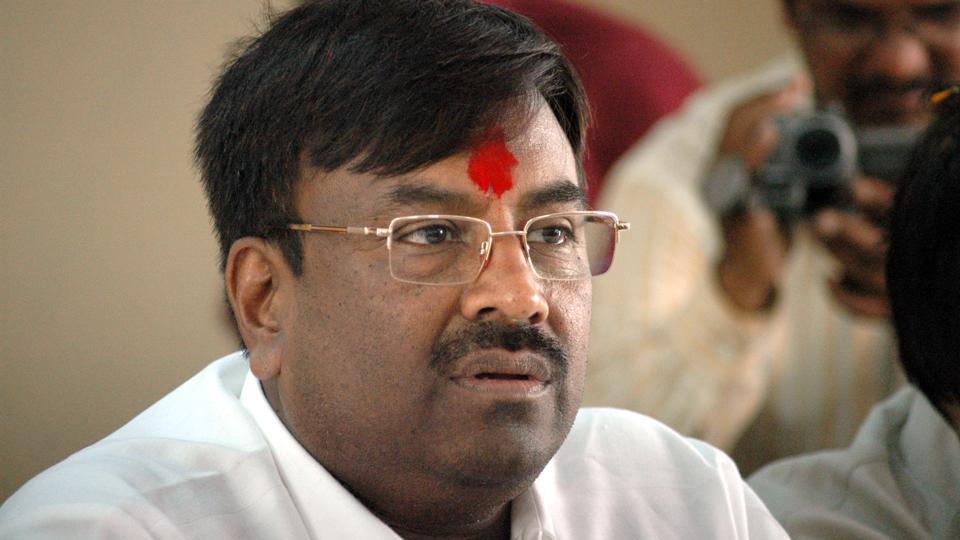
State finance minister Sudhir Mungantiwar, however, said, “Continuous dip in the agricultural growth due to the droughts have resulted in the drop in the overall growth rate. We have been focusing on sustainable development of agriculture, which will help us in achieving the goal.”
Neeraj Hatekar, professor of econometrics, University of Mumbai (MU), said, “Becoming a trillion dollar economy in six years is not a difficult task provided the state keeps its growth rate in double digits or at 8-9%. With the natural inflation rate of 6-7%, it could reach close to the required growth rate. As for the debt burden, it is harmful if the money borrowed is spent on revenue expenditure instead of capital expenditure.”
Ahead of the Lok Sabha elections earlier this year, the state government announced it would implement the seventh pay commission recommendations for its employees. This resulted in a rise in the salary and pension of state government employees, which now take up 48.19% of the total revenue receipts. The mega recruitment drive of 72,000 posts currently undertaken by the government is expected to further burden the exchequer if the recruitment process is completed in the current fiscal.
Widening gap between the revenue receipts and expenditure over the past few years, has resulted in continuous revenue deficit in recent years. The revenue deficit in 2019-20 has been projected at ₹20,292.94 crore from ₹14,960 crore during last fiscal. The projected debt burden, too, has been projected to be ₹57,231 crore from ₹11,991 crore borrowed in 2018-19.
“The estimated deficit of ₹14,843 crore projected in 2017-18 turned out to be a surplus budget with ₹2,082 crore because of the expected rise in the revenue from GST (Goods and Services Tax) in the first year of its implementation. The government expects the deficit to turn to surplus at the end of the year, but in the wake of the fall in receipts over the last two years and projected hike in the wage bill due to new recruitment, it may not be possible,” said an official from the finance department.
But Mungantiwar said the government will be able to minimise the deficit by the end of the year. “Like in 2017-18, we will try to turn the deficit into a surplus budget by the end of the year. Out of the projected loans, we will endeavour to keep borrowing to a minimum. The rise in wage bills after the implementation of the seventh pay commission recommendation has put burden on the exchequer, leading to the deficit. But fiscal prudence will help us narrow the gap between receipts and expenditure,” he said. The projected revenue receipts in 2019-20 is ₹3.14 lakh crore, a rise of around ₹28,000 crore from ₹2.86 lakh crore in the previous year. The rise in 2018-19 was ₹42,314 crore over the receipts in 2017-18. This means the projected revenue receipts has dropped by around ₹14,000 crore over the past year.


Stay updated with all the Breaking News and Latest News from Mumbai. Click here for comprehensive coverage of top Cities including Bengaluru, Delhi, Hyderabad, and more across India along with Stay informed on the latest happenings in World News.


