
 E-Paper



Citizens in assemblies: Putting people at the heart of Parliament’s performance
Increased public consultation and post-legislative assessment of laws can make the legislative process more inclusive and responsive.

 Prefer HTon Google


The word “parliament” traces its origin to the French word parler, which means “to speak’”. In April, during a discussion in the Lok Sabha on increasing the number of Lok Sabha seats, BJP MP Tejasvi Surya and Congress MP Shashi Tharoor highlighted the need to increase opportunities for interventions in Parliament. However, irrespective of the issue of numbers, enabling more focussed interventions by parliamentarians needs conscious efforts to reform the procedures of Parliament.
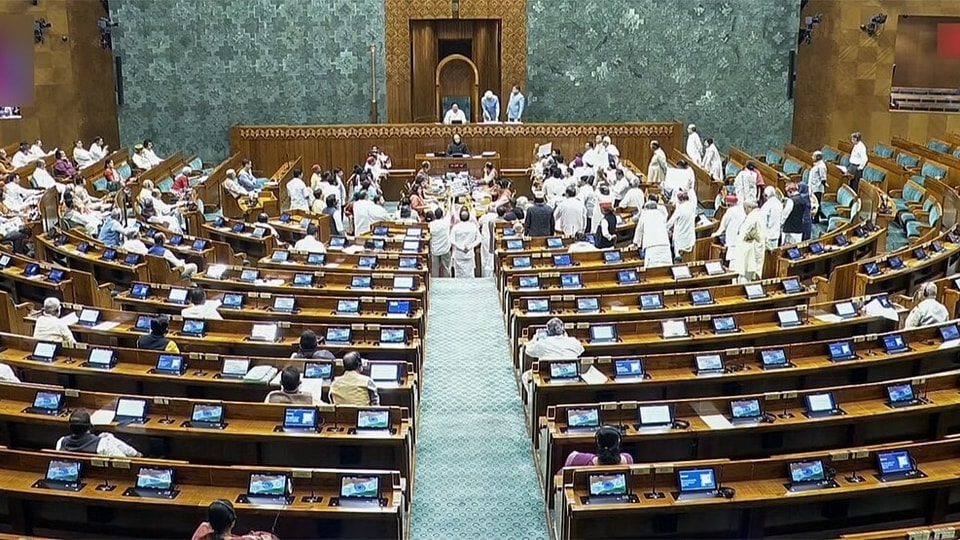
Public expectations from legislators mostly tend towards “getting things done”, i.e., administration work — particularly at a constituency level. Limited attention is paid to the interventions they make on the floor of the House. Recently, during the Tamil Nadu assembly elections, debates focused on the alleged lack of development in the constituency of an incumbent minister. It is unfortunate that MLAs, MLCs and MPs are expected to do the same job as that of a councillor/ward member entrusted with local governance and are often assessed on “development works’’ in their respective constituencies as opposed to their performance in the respective Houses. This partly explains why initiatives tracking parliamentary performances of MPs and assembly performances of MLAs have not received the kind of public support they deserve.
Also Read | Legislation needs debate, not blind determination
BR Ambedkar, during the Constituent Assembly debates, hoped that the frequency at which future legislatures met would make legislators tired. While the first Lok Sabha (1952-57) managed to sit frequently, with an average annual sitting of 135 days, the 18th Lok Sabha (June 2024-present) has met on 135 days over two years — a yearly average of 67 days. MPs from all parties have advocated a minimum of 120 days of sittings annually with a tentative schedule to help them better prepare for the sessions. Instead of an 11 am start, House proceedings could start at 10 am, allowing more time for Zero and Question Hours. More starred and unstarred questions should be allowed while facilitating increased transparency in balloting and listing of questions. To address frequent disruptions, procedures could be suitably amended to allocate at least one hour every day or every few days in a session as “Opposition Hour”, where the Opposition sets the agenda, prioritising matters requiring a response from the executive. We could emulate the UK’s and Canada’s parliaments which allocate 20 and 22 days a year to the Opposition, respectively.
To reduce friction between MPs and promote civility in public discourse, the practice of Treasury and Opposition MPs being seated separately could also be discontinued. Ultimately, they are not enemies, and their political rivalry should not be considered during the allocation of seats.
From a lawmaking point of view, all bills reaching Parliament should be subject to public consultation during the drafting stage and by committees during scrutiny stage. Decisions in Parliament should be driven by consultation, consensus, and concurrence. Essentially, copies of the bills featuring in the session’s tentative list of business should be handed out as the list gets published to enable more effective and informed discussions upon their introduction. After introduction, all these bills should mandatorily be referred to the Standing Committees, similar to what happens in Kerala — however with more time than is usual in the Kerala instance, to ensure detailed scrutiny. Private member bills, initiated by non-minister MPs, seldom get noticed, especially because this happens on alternative Friday afternoons when attendance is low. Only around 2-3% of the hundreds of private members’ bills introduced in Parliament are taken up for discussion, and several parliamentary sessions have ended without any private members’ business having been transacted. A conscious effort should be made to increase the time allocation for private members’ business during the week, to encourage policy endeavours by MPs. Procedural interventions should also ensure that at least one-third of the private member bills gets discussed, with the concerned minister’s attendance made mandatory.
Also Read | Centre nears completion of its legislative agenda amid Opposition din
Committees, known as mini-parliaments, while allowing flexibility to scrutinise matters of public importance, suffer from structural issues. Most consultative committees have not met even once, against the mandatory requirement to hold at least four meetings a year. The tenure of department-related parliamentary standing committees should be increased to at least two years to ensure their sustained and effective working. In addition to the staff deployed from the parliament secretariat, there should be a provision for the appointment of sectoral experts as advisors to the committees. The committees’ interactions with external stakeholders should be broadcast and submissions should be made publicly available. A verbatim record of evidence tendered before committees must be made public alongside committee reports.
Standing committees must also assess the impact of laws, facilitating strong post-legislative scrutiny. Mandatory post-legislative scrutiny should be undertaken by the standing committees five years after the passage of a bill. Committees should allow the public to also depose before them. For example, select committees of the Kerala legislature regularly host public hearings in district collectorates, allowing the public to participate in the process. Parliamentary committees could also consider a non-Parliament venue where the public gets to appear before them.
During discussions on salaries and allowances in 2010, then Rajya Sabha MP NK Singh emphasised the need to have qualified researchers to support MPs in performing their duties. Many public officials below the protocol rank of MP have personal staff, funded by the government, for support in daily work. The parliament secretariat currently gives only ₹40,000 a month to a Lok Sabha MP to appoint one computer-literate staff member; this research support gap is serious and needs to be bridged by allowing every MP to hire two-three research staff whose salaries are borne by the parliament secretariat. This will elevate the quality of discourse and interventions in Parliament, making it an investment in improved legislative quality.
Recently, Lok Sabha Speaker Om Birla emphasised the importance of public participation in a parliamentary democracy. Parliament should also evolve more ways in which citizens interact with its proceedings. States such as Kerala and Tamil Nadu are contemplating how citizens can raise issues directly in the state legislative assembly. The parliament website should have a dedicated citizen’s corner: Apart from simple explainers on the working of Parliament and process flow for visiting Parliament, the section should clearly explain how citizens could get to know the work of their MP, interact with MPs and committees, and submit petitions. In the interest of inclusivity, broadcasting of parliamentary proceedings in sign language could also be considered.
As the chair of International IDEA (Institute for Democracy and Electoral Assistance) for the year 2026, India should proactively implement the institute’s eight principles of parliamentary public engagement. Global Parliamentary Reports, published by the Inter-Parliamentary Union and UNDP, also offer important insights into meeting public expectations, improving oversight, and facilitating effective public participation. These should essentially act as the guiding principles for our legislatures in shaping the 21st-century reforms.
Arun PS, co-founder and research lead of Atyeti Research, a law and policy think tank. The views expressed are personal


