
 E-Paper



Meet the keepers of India's oldest art gallery
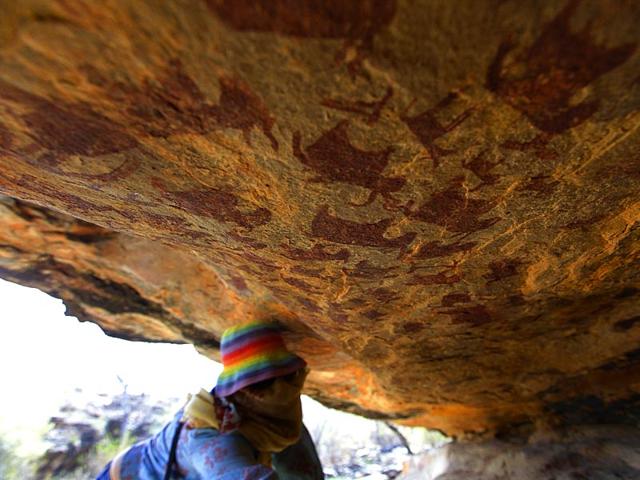
Most of the art that has survived all these thousands of years later are the ones painted in the niches and on undersides of the rocks, keeping them safe from rain and the elements. (Text by Rachel Lopez; photos by Kalpak Pathak)
Updated on: May 28, 2015 4:30 PM IST


Share via


Copy link

1/16
 View Photos in a new improved layout
Updated on May 28, 2015 4:30 PM
Most of the art that has survived all these thousands of years later are the ones painted in the niches and on undersides of the rocks, keeping them safe from rain and the elements. (Text by Rachel Lopez; photos by Kalpak Pathak)
2/16
 View Photos in a new improved layout
Updated on May 28, 2015 4:30 PM
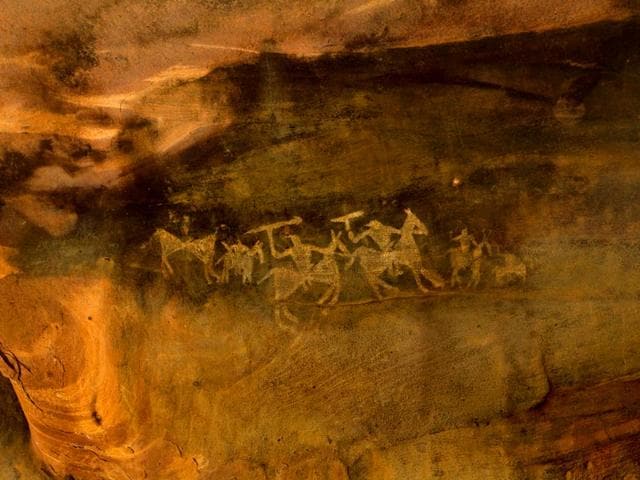
The rock art from the medieval period is characterised by geometric patterns – most figures are composed of triangular shapes, like today’s Warli art. Did these fierce spearmen win their fight?
3/16
 View Photos in a new improved layout
Updated on May 28, 2015 4:30 PM
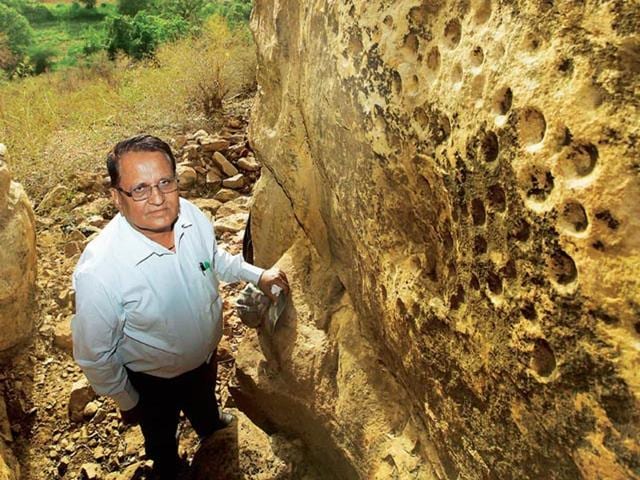
Pradyumn Bhatt helped discover several cup-like depressions in the Chaturbhuj Nala area. The impressions, called cupules, are said to me much older than the oldest rock art.
4/16
 View Photos in a new improved layout
Updated on May 28, 2015 4:30 PM
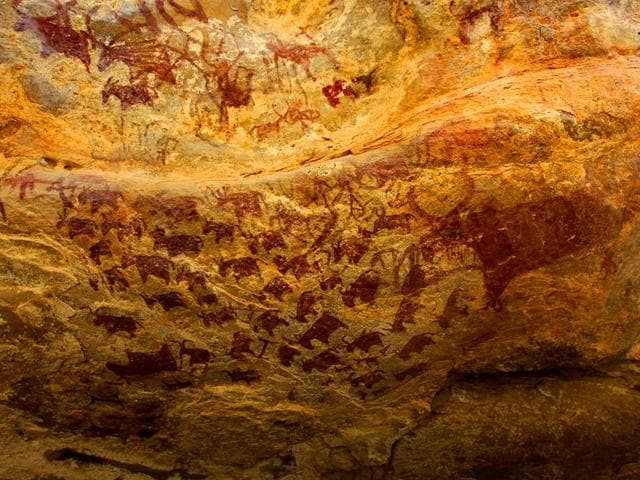
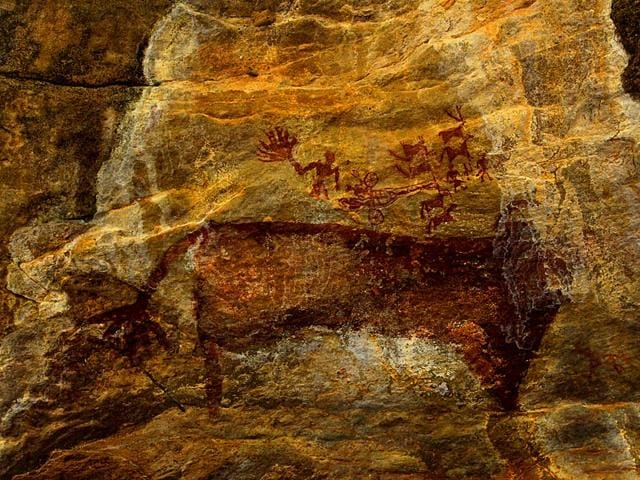
Animals and humans make up most of the rock paintings in central India. Look closely at this one and you’ll see both, indicating that this is some kind of dramatic pastoral scene.
5/16
 View Photos in a new improved layout
Updated on May 28, 2015 4:30 PM
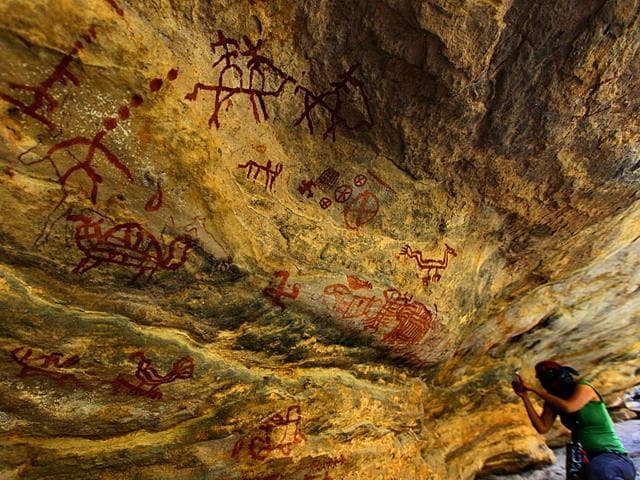
What’s that strange snakelike creature on the right? A reptile? A dragon? And did you notice the peacock on the bottom right? We bet you didn’t!
6/16
 View Photos in a new improved layout
Updated on May 28, 2015 4:30 PM
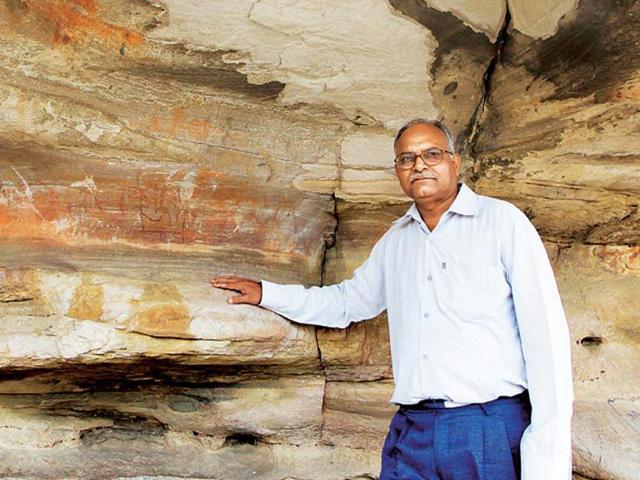
Rajeev Chaubey has work out several pairs of shoes on his missions to find ancient objects in his native district of Raisen. Many of his finds are housed in a museum he helped build.
7/16
 View Photos in a new improved layout
Updated on May 28, 2015 4:30 PM
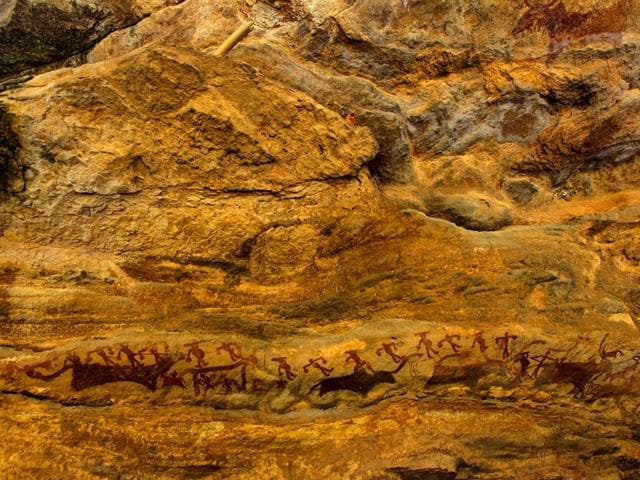
Look closely at this row of figures, there are different tasks, different activities in progress. And it looks like they’re all having a good time, no?
8/16
 View Photos in a new improved layout
Updated on May 28, 2015 4:30 PM
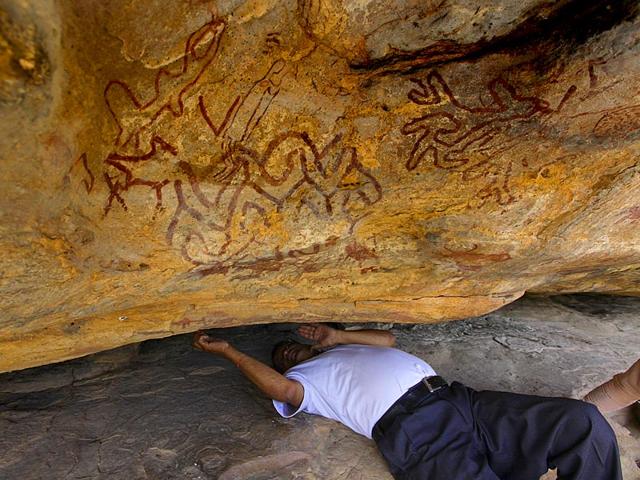
Pradyumn Bhatt, on his back so as to better see some paintings, tells us that the decorations in the foreground might have had special significance for early settlers
9/16
 View Photos in a new improved layout
Updated on May 28, 2015 4:30 PM
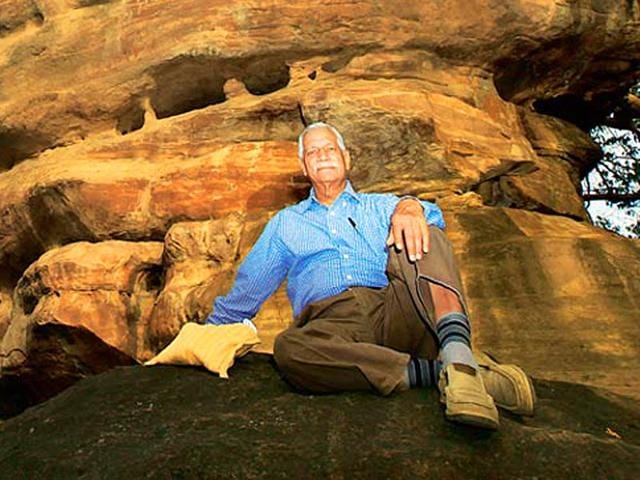
Narayan Vyas retired from the ASI but is as active in archaeology as ever. He was attacked by bees at one site, but after recovering in the ICU he’s back on the rocks.
10/16
 View Photos in a new improved layout
Updated on May 28, 2015 4:30 PM
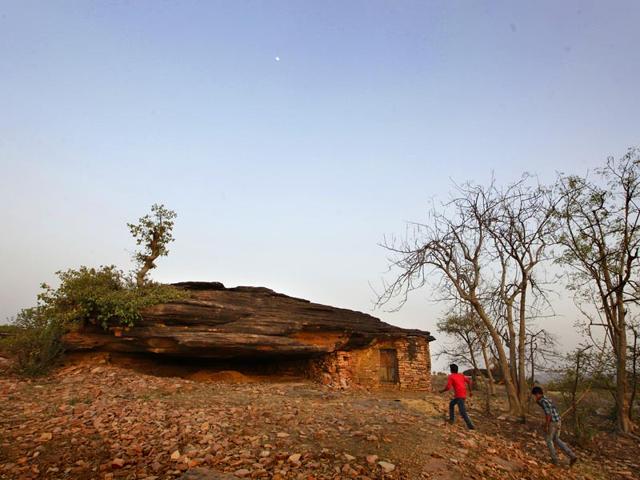
In Pengavan, a tiny hamlet in Raisen, the rocks look like they could be a Star Trek set. Unfortunately, the area’s 35 rock shelters are in danger as locals have started building their own holes in the rockscape
11/16
 View Photos in a new improved layout
Updated on May 28, 2015 4:30 PM
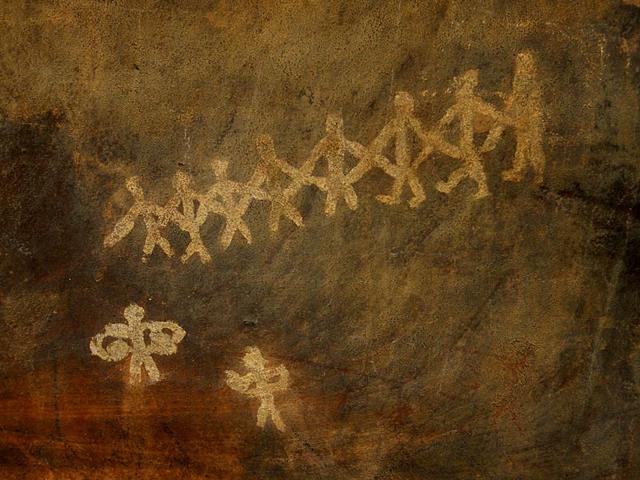
Community living was only possible when the hunter-gatherer settled down to become a farmer. There’s a primitive party going on here – notice the line of dancers and two drummers?
12/16
 View Photos in a new improved layout
Updated on May 28, 2015 4:30 PM
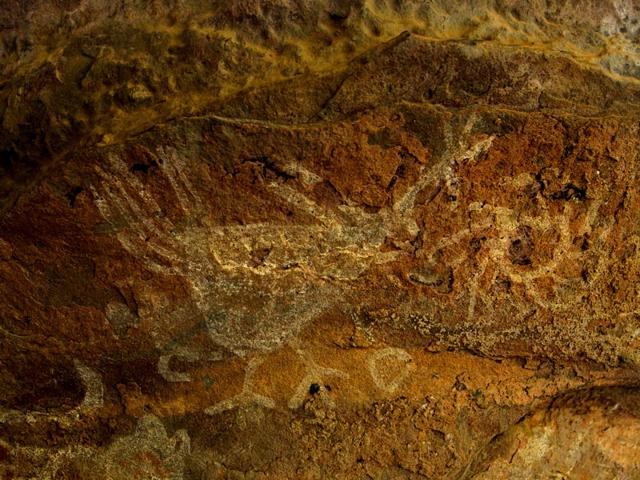
Farming bring with it fowl and livestock. Could you be looking at a primitive chicken?
13/16
 View Photos in a new improved layout
Updated on May 28, 2015 4:30 PM
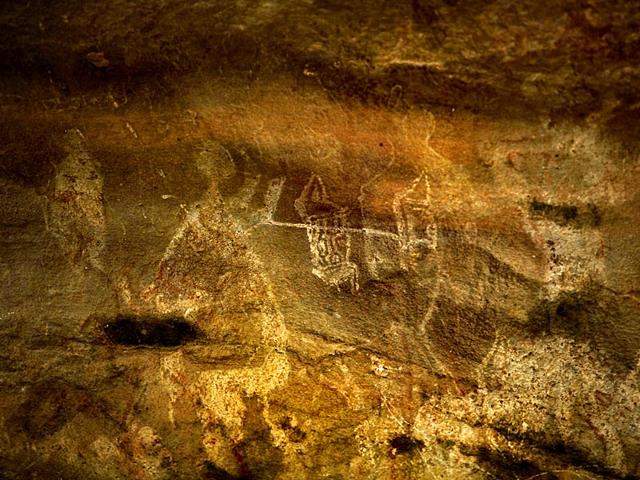
A ritual sacrifice is in progress, with two figures holding up a stick on which some sort of animal is impaled. Note the stylised decorations on the animal’s body!
14/16
 View Photos in a new improved layout
Updated on May 28, 2015 4:30 PM
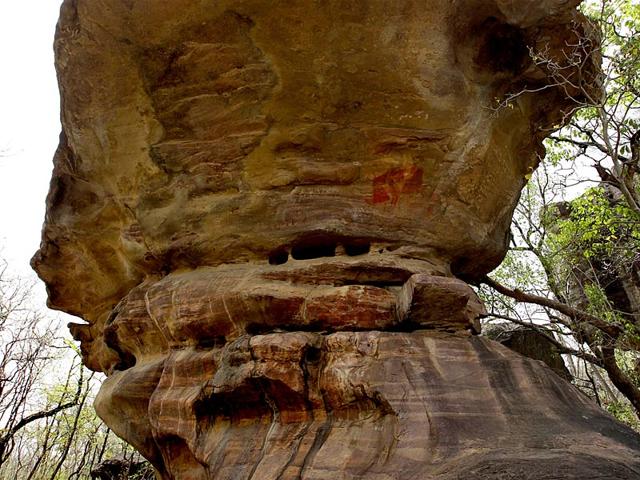
Boar Rock takes its name from the pig-like mythical animal painted high on the right side.
15/16
 View Photos in a new improved layout
Updated on May 28, 2015 4:30 PM
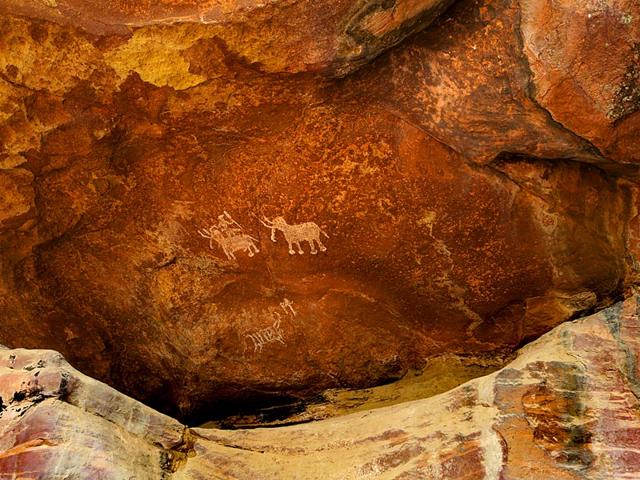
Long-tusked elephant figures point to a very distant past. Most prehistoric paintings in Madhya Pradesh depict hunting, farming, community and battle scenes.
16/16
 View Photos in a new improved layout
Updated on May 28, 2015 4:30 PM


