

 E-Paper


Photos: Helping the capital’s fauna keep cool in summer
As the mercury hovers above 40 degree celcius-mark, just like humans, birds and animals , too, reel under the adverse effects of the intense heat in Delhi-- a city said to have the highest bird population in the world after Nairobi.
1 / 8
 View Photos in a new improved layout
Updated on May 27, 2019 05:40 pm IST
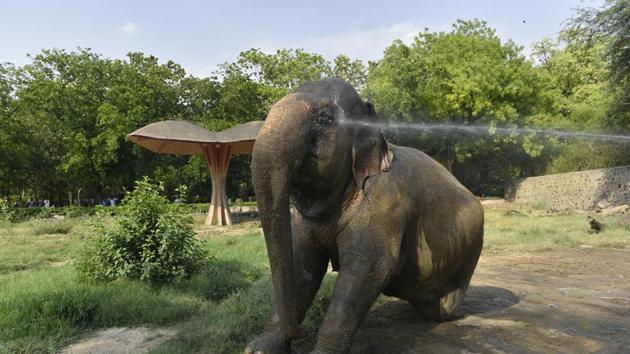
An elephant seen reacting to a water sprinkler in Delhi Zoo. Animals such as elephants and tigers at the Zoo are given a bath everyday to help cool them from the scorching heat of Delhi’s summer. (Sanchit Khanna / HT Photo)
2 / 8
 View Photos in a new improved layout
Updated on May 27, 2019 05:40 pm IST
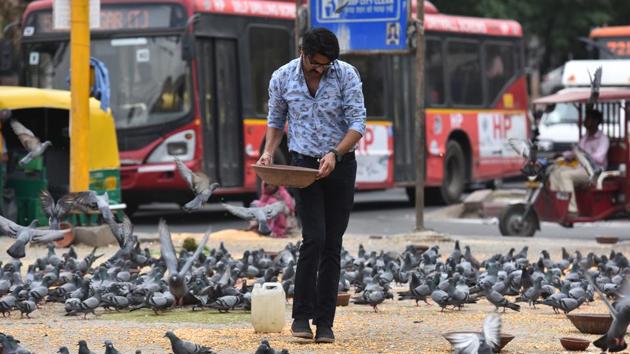
A man feeds pigeons on a roadside, at Jhandewalan, in New Delhi. Prakash Dikshit, 70, a resident of Mayur Vihar said “I make it a point that the bowls are never empty. I fill them with fresh water in the morning and change the water couple of times during the day as well. We should all ensure that birds do not die of dehydration; the summer can be deadly for the animals and birds in the city.” (Sanchit Khanna / HT Photo)
3 / 8
 View Photos in a new improved layout
Updated on May 27, 2019 05:40 pm IST
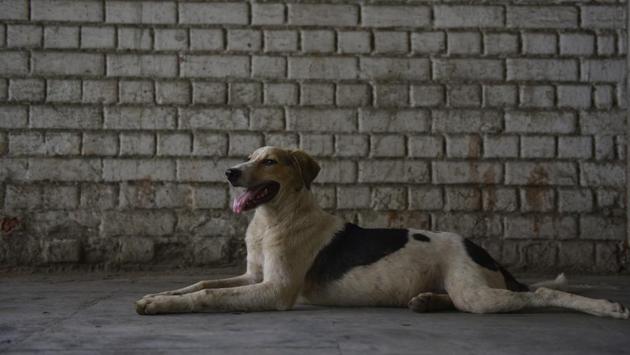
A street dog sits in shade to avoid the heat on a hot day, at Jangpura. Animals are most effected in areas with scarcity of green cover. The green cover division in the city are: South Delhi (33%), New Delhi (46%), North-West Delhi (4%) and West Delhi (5%). (Sanchit Khanna / HT Photo)
4 / 8
 View Photos in a new improved layout
Updated on May 27, 2019 05:40 pm IST
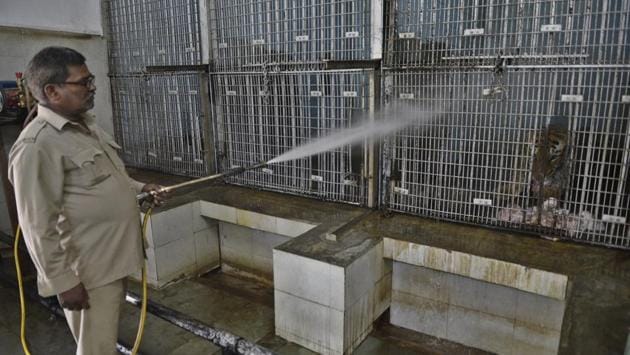
A zookeeper hoses a Bengal Tiger down on a hot afternoon at Delhi Zoo. The animals in the city zoo have an edge over others as elaborate arrangements are made for them during the summers. Coolers and fans are installed in cages and shades are also provided so animals can escape direct sunlight. (Sanchit Khanna / HT Photo)
5 / 8
 View Photos in a new improved layout
Updated on May 27, 2019 05:40 pm IST
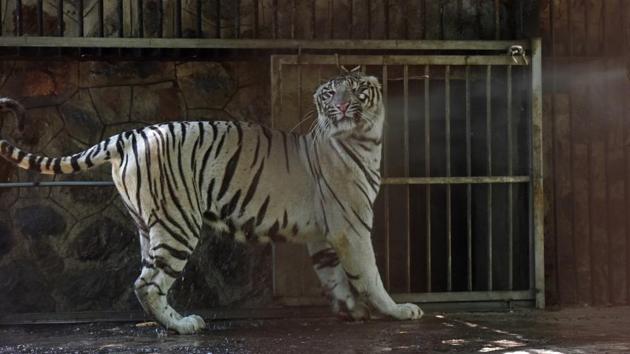
A white tiger reacts to a spray of water in Delhi Zoo. During summers the diet for animals is also changed, carnivores are given a lesser amount of meat, seasonal fruits are given to the monkeys and apes, glucose and ORS are also provided to the animals and the bears are given kheer, said RA Khan, curator of the National Zoological Park in Delhi. (Sanchit Khanna / HT Photo)
6 / 8
 View Photos in a new improved layout
Updated on May 27, 2019 05:40 pm IST
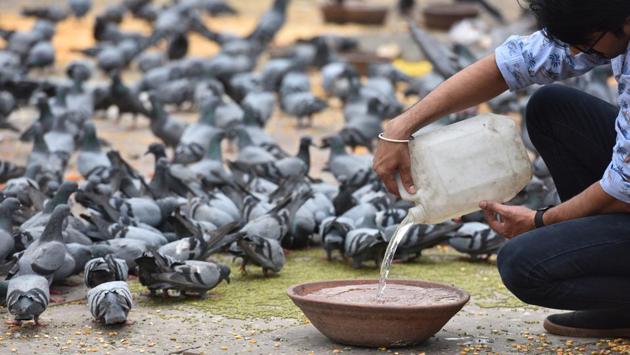
A man feeds pigeons on a roadside, at Jhandewalan. Bowls with water kept for birds and animals should be cleaned thoroughly at least twice a day as fungal and algal infections spread faster during summers and the ones for birds should be kept on an elevated structure like a branch of a tree, away from those for animals. (Sanchit Khanna / HT Photo)
7 / 8
 View Photos in a new improved layout
Updated on May 27, 2019 05:40 pm IST
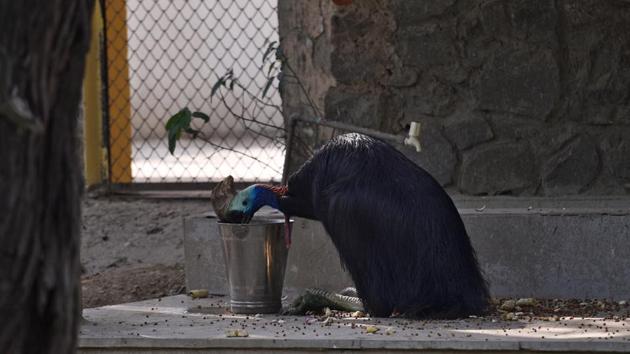
A Cassowary drinks water from a bucket in Delhi Zoo. The summers also report the maximum number of birds falling ill due to dehydration and paralysis - around 120 everyday, said Sunil Kumar Jain, manager at the Charity Birds Hospital in Chandni Chowk. (Sanchit Khanna / HT Photo)
8 / 8
 View Photos in a new improved layout
Updated on May 27, 2019 05:40 pm IST