
 E-Paper



China retrieves 8.5 tonnes of garbage from Mount Everest
A team of 30 people has cleared about 5.2 tonnes of household waste, 2.3 tonnes of human faeces, and one tonne of mountaineering trash in the cleanup by Tibetan mountaineering officials.

 Prefer HTon Google


China has retrieved 8.5 tonnes of waste from Mount Everest since April as it clears garbage left by growing numbers of visitors, the state-run Global Times said on Thursday.
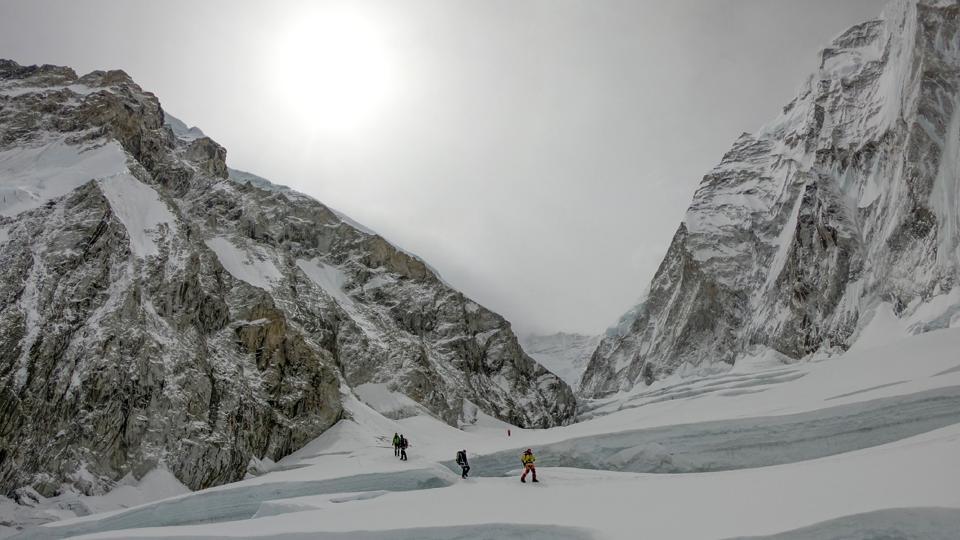
Enthusiasts from all over the world who flock to the world’s tallest mountain, at a height of 8,850 metres (29,035 ft) between Tibet and Nepal, discard tonnes of trash each year.
A team of 30 people has cleared about 5.2 tonnes of household waste, 2.3 tonnes of human faeces, and one tonne of mountaineering trash in the cleanup by Tibetan mountaineering officials, the paper said.
The work is almost as demanding as tackling the summit, say climbers, since collection is a strenuous task that boosts the consumption of oxygen people need to breathe, it added.
During last year’s climbing season, which usually runs from March until May, 202 climbers summitted from the Tibetan side, versus 446 from the Nepali side, while thousands of tourists visited base camps on both sides.
The warming global climate has melted frozen garbage left by climbers over decades, spurring environmental concern in Nepal, India and China, which is taking tough measures to clean up air, water and soil contaminated after decades of breakneck growth.
Since 2015, officials in Tibet have given every climber two trash bags to retrieve at least 8 kg of rubbish, levying a fine of $100 for each kilogram by which a climber falls short. Nepal adopted similar rules in 2014.
China also plans to build environmentally friendly toilet and waste collection sites at Mount Everest, the official Xinhua news agency said.
Authorities in Tibet have pledged to complete 45 pollution cleanup tasks before 2020, according to a list published this week by the environment ministry, after a central inspection team flagged concerns last year.
Beijing plans a further round of inspections early next year, the People’s Daily newspaper of the ruling Communist Party has said.


