
 E-Paper



Satellite images show Nepal before and after devastating flash floods
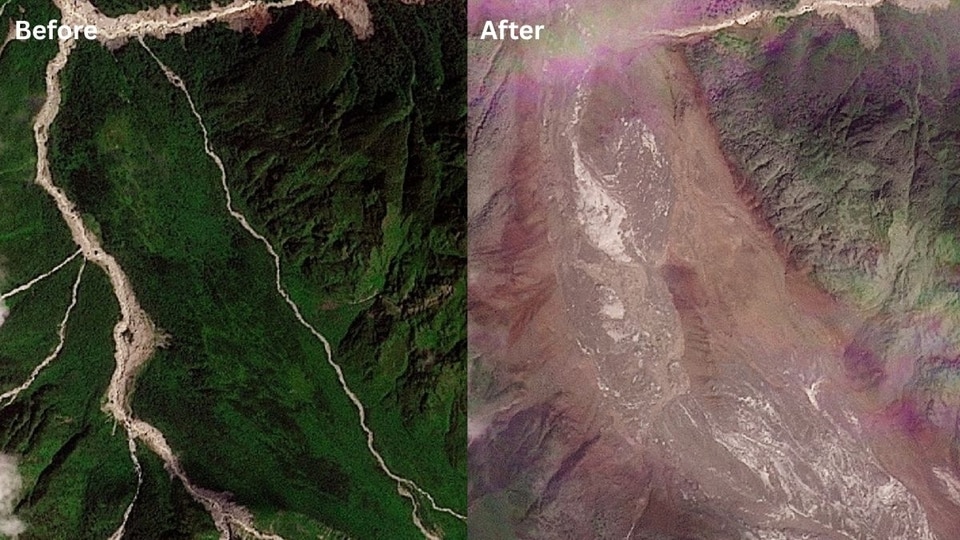
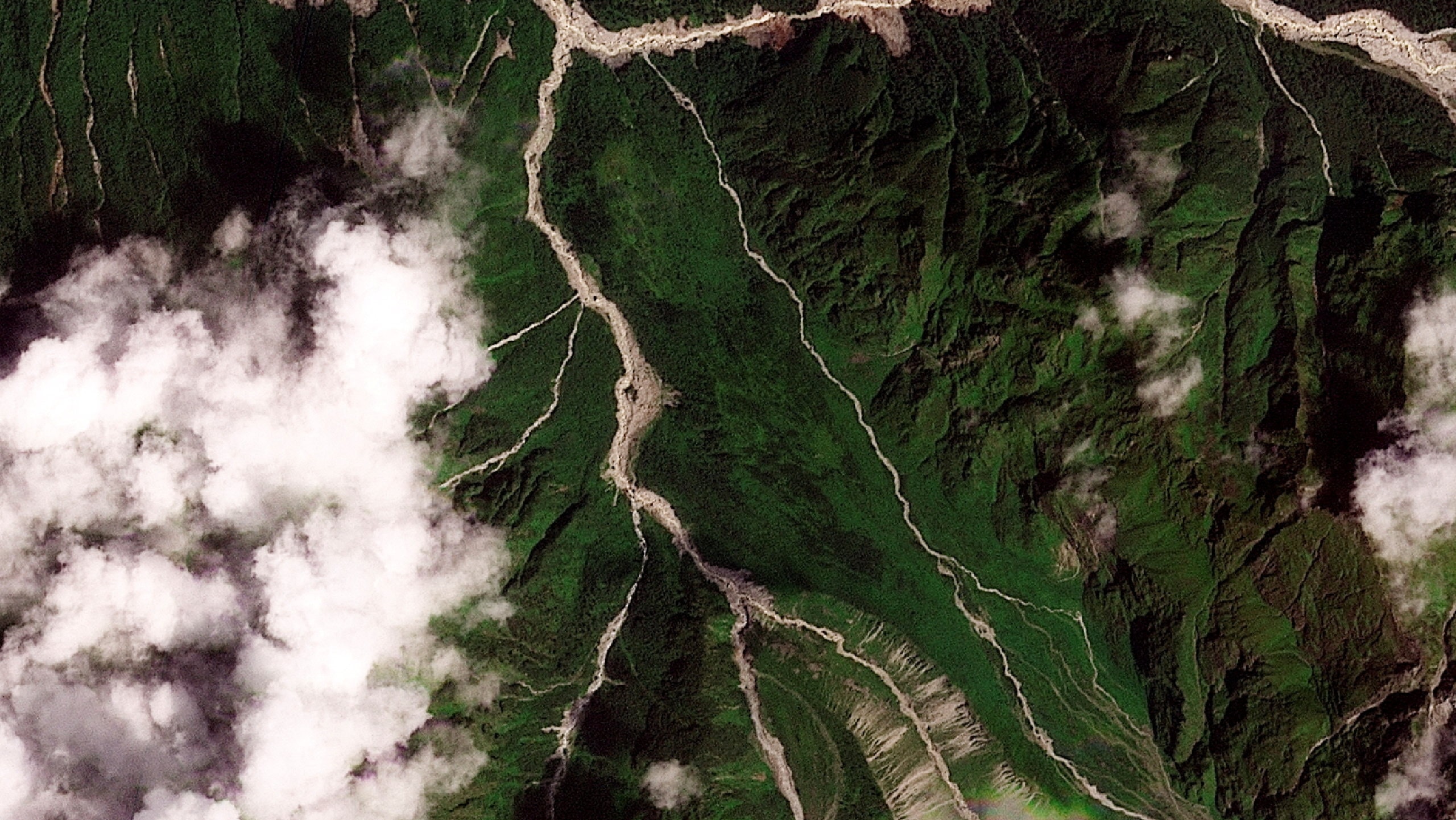
The before-and-after satellite images offer a stark comparison of several areas in Nepal before and after the flash floods

 Prefer HTon Google


Nepal was hit by a severe flash flood on Wednesday, resulting in loss of life, reports of missing persons and extensive damage to homes, roads, bridges, hydropower facilities and other infrastructure. The floods swept through villages and areas along the Bhote Koshi River near the Tibet border, with Rasuwa and neighbouring districts among the worst affected.
Track Nepal floods live updates
The death toll had risen to 98 at the time of reporting, while hundreds of people remained missing. Rescue operations have been hampered by bad weather and disrupted communications as authorities continue efforts to reach the affected areas.
Satellite images show the scale of destruction
Deep Dive

The before-and-after satellite images captured by Planet Labs, offer a stark comparison of several areas in Nepal before and after the flash floods, highlighting the extent of the devastation.
Also Read | What caused Nepal's deadly floods? Initial reports point to a sudden trigger
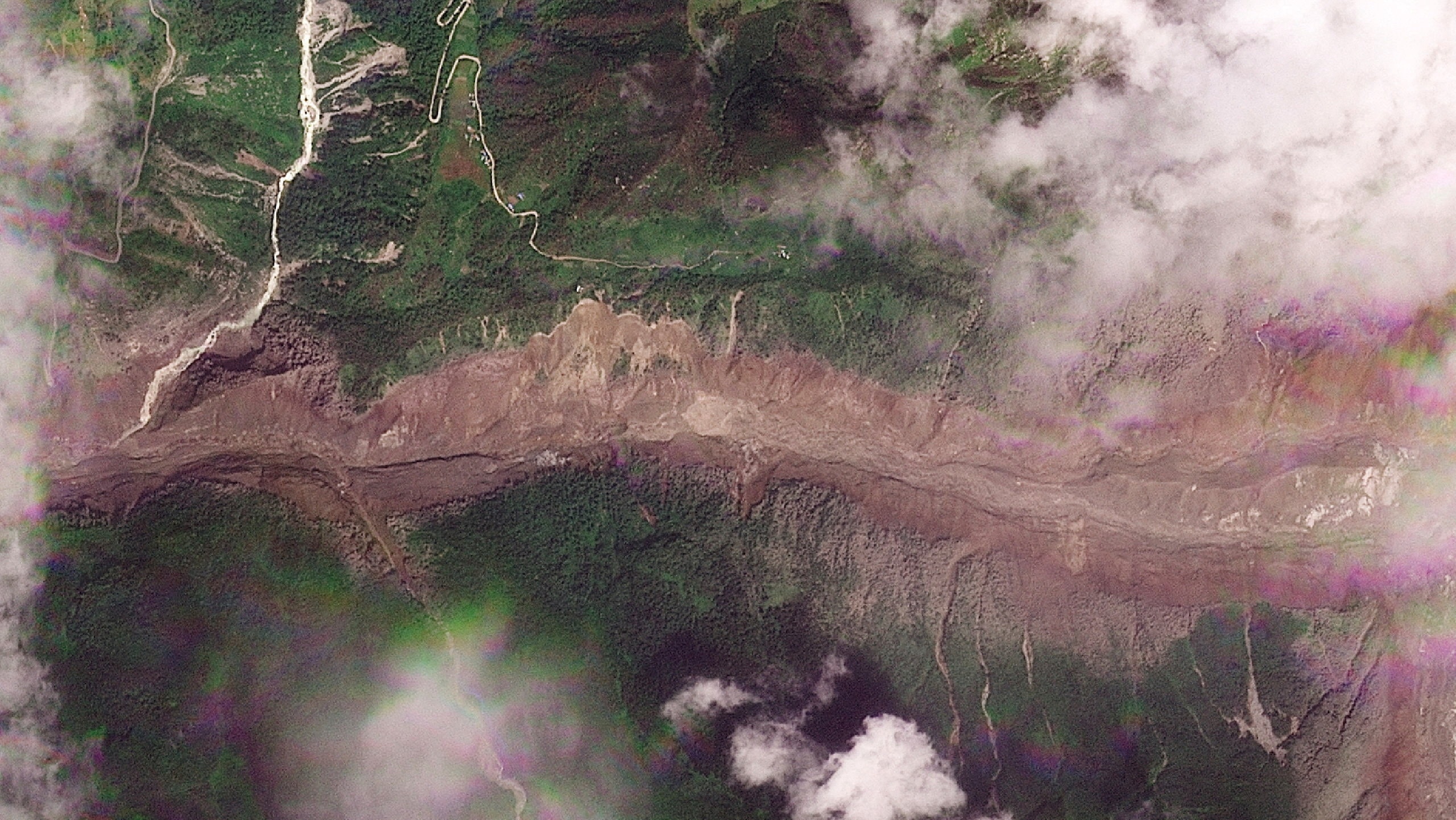
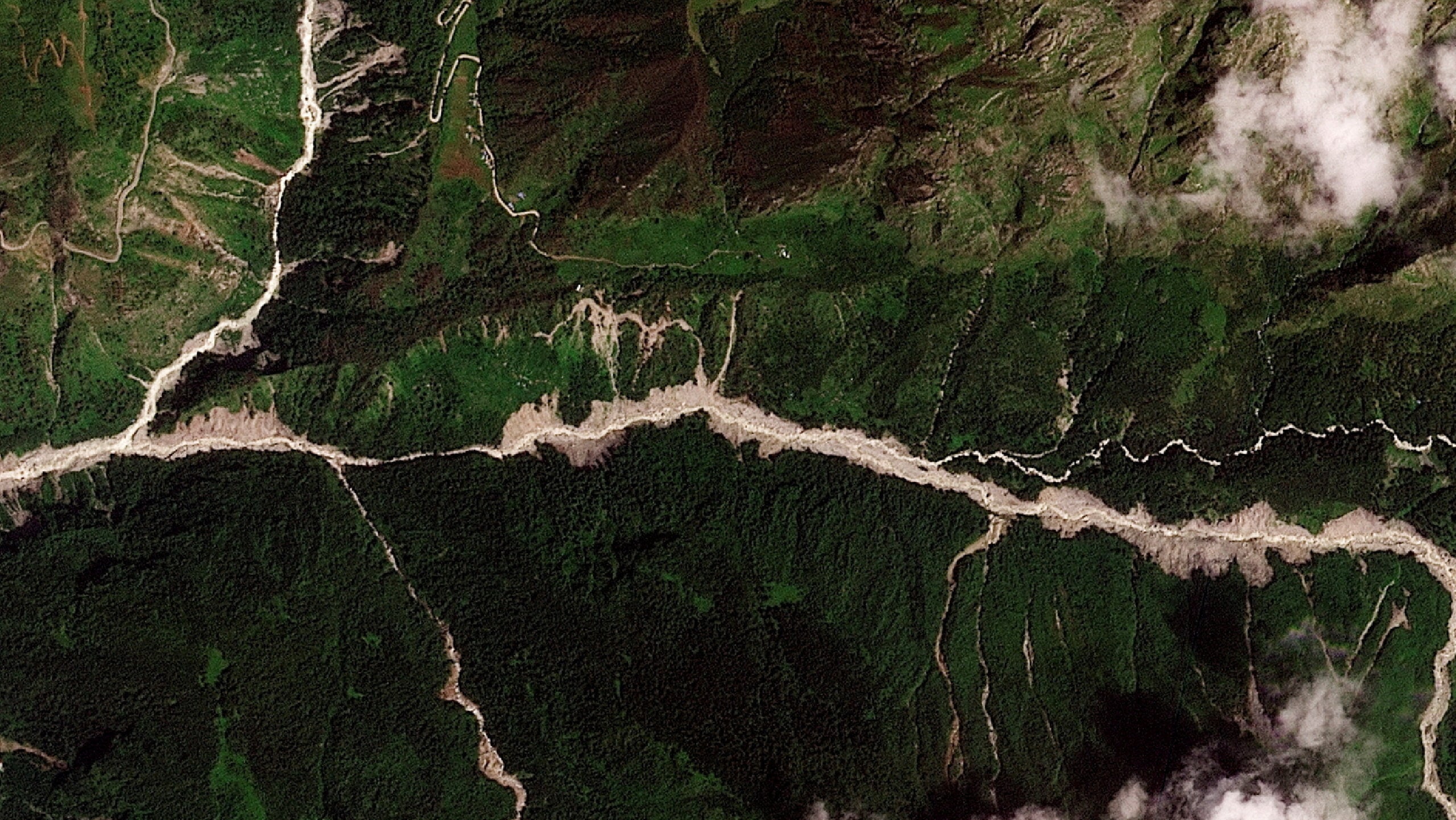
The satellite imagery below shows the valleys near the Manakamana village on August 23, 2026, before the floods, and on August 26, 2026, after the disaster.
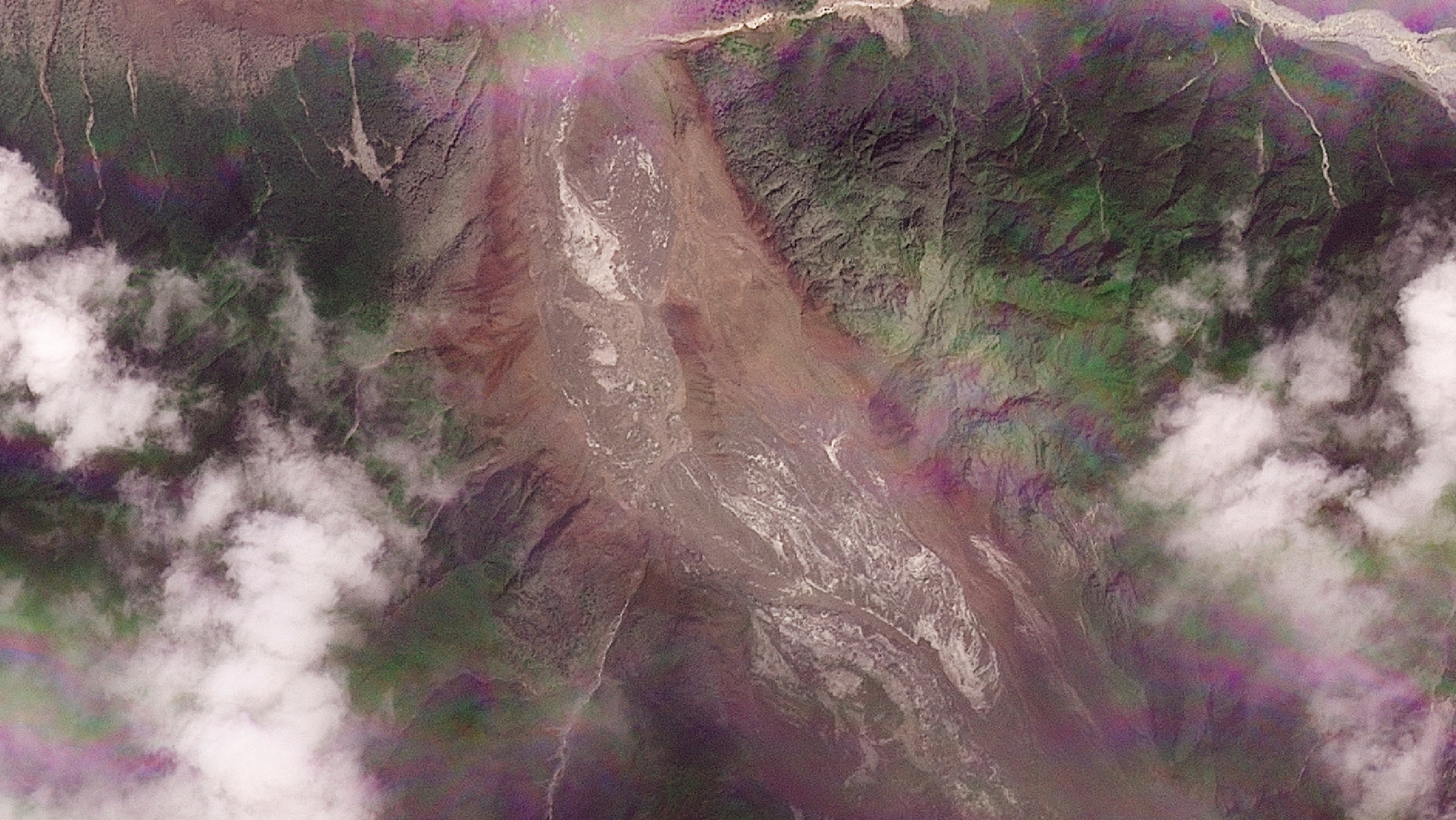
The below satellite imagery captures Khadga Bhanjyang, a village in Nepal, on August 23, 2026, before the flash flood, and again on August 26, 2026, after the flooding hit the area.
The disaster has left authorities facing a major rescue and relief operation, with more people still unaccounted for and the full extent of the damage yet to be assessed.
Over 100 Indians missing in the floods
At least 105 Indians and 37 NRIs are among the nearly 400 persons missing after the devastating floods in Nepal's Rasuwa district bordering Tibet swept through villages and damaged critical infrastructure on Wednesday. According to the latest statement by Nepal Tourism Board (NTB), a total of 384 travellers, 291 foreigners and 93 Nepalese nationals, have gone missing due to the Rasuwa floods.
NDRF teams alert in UP and Bihar
The National Disaster Response Force (NDRF) is closely monitoring the situation following the flood in Nepal and the possibility of a flood wave moving downstream through the Gandak River. Teams have been deployed in vulnerable areas of Bihar and Uttar Pradesh, according to an NDRF press release.
The NDRF said that, based on an advisory from the Central Water Commission (CWC) and media reports, a sudden rise in the water level of the Trishuli River at Furke Khola in Nepal, around 160 km from the Indian border, has been reported. The rise is suspected to be linked to glacial lake outburst flood (GLOF) activity near the Nepal-China border.
According to the release, the flood wave is expected to move downstream through the Gandak River. Local authorities in Bihar and Uttar Pradesh, particularly those near the India-Nepal border along the Gandak River, have been advised to remain alert and closely monitor the situation.
PM Modi assures India's support to Nepal
Prime Minister Narendra Modi spoke to his Nepalese counterpart Balen Shah after the deadly flash flood swept through parts of Nepal, assuring him of ‘all possible humanitarian assistance’
“Spoke to Prime Minister Balendra Shah and conveyed condolences on the loss of lives due to the floods in Nepal. The people of India stand in solidarity with their sisters and brothers in Nepal at this difficult time,” Modi said in a post on X, adding that India is coordinating ‘closely on rescue and relief efforts.’


