E-Paper


In 1897, Yosemite began stocking fishless lakes with trout; now its rare frogs are rebounding
Yosemite stocked fishless lakes with trout from 1897. Trout and a fungus devastated its frogs, but numbers rose sevenfold in 20 years after stocking ended.

 Prefer HTon Google


Imagine a mountain lake where each step you take causes dozens of frogs to leap into the water. That used to be the rule in California’s Sierra Nevada. According toan Associated Press report on KQED, researcher Roland Knapp documented the return of the Sierra Nevada yellow-legged frog. His 2016 study, published in the Proceedings of the National Academy of Sciences, found the number of frogs in the park had increased sevenfold in 20 years.
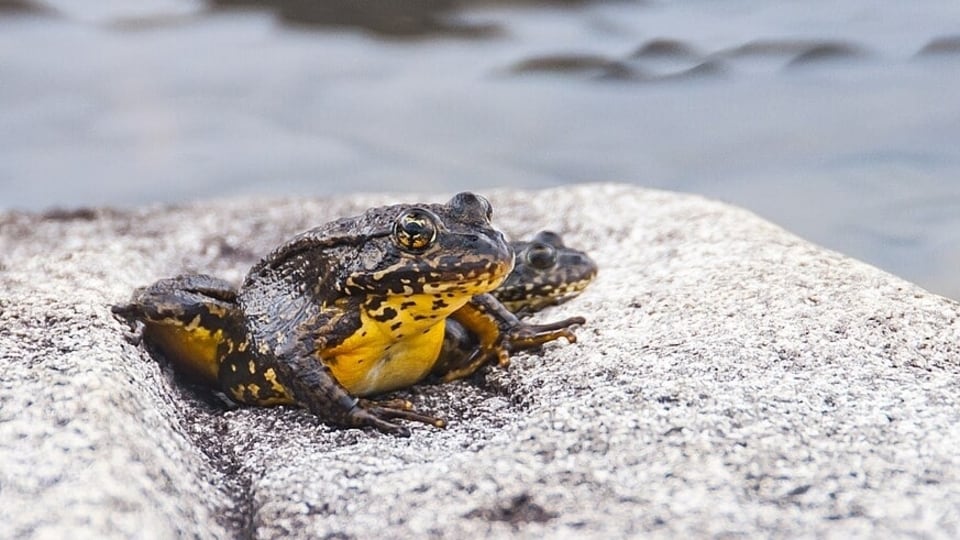
Meet the frog
The frog is just over 3 inches long. It is notable for the color under its hind legs. It was once the most common amphibian in the Sierra Nevada. The National Park Service says visitors regularly saw hundreds along lakeshores. Tadpoles could pile up by the thousands. The frogs also preyed on insects and other small animals. That made them an important part of the food chain.
Lakes without fish
Yosemite lakes and streams over 4,000 feet in elevation were naturally devoid of fish. Park service officials say the glaciers created steep waterfalls that blocked fish from swimming upstream. As a result, the frogs evolved without fish around and without defenses against these predators.
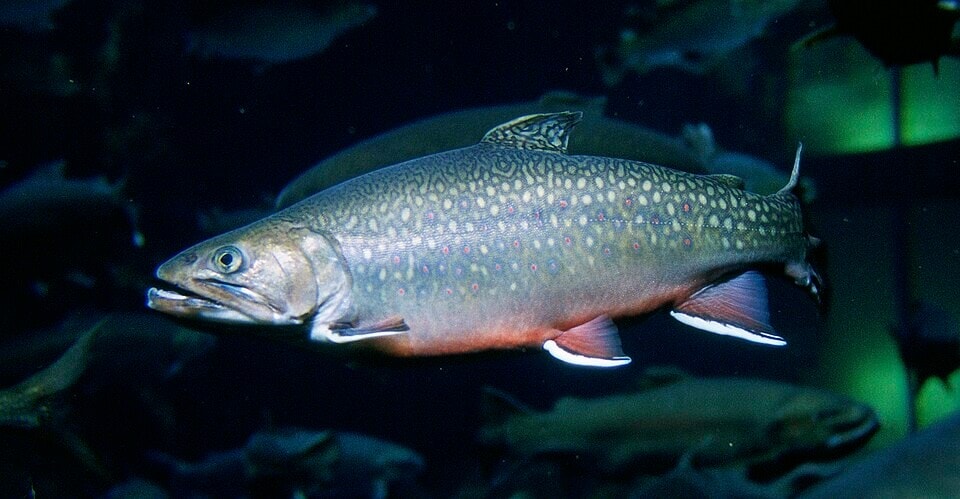
Then came the trout
Fish stocking in the Yosemite area began in 1877, the first recorded year, and continued through 1990. At first, the fish were carried by hand. Later they were hauled by mules. Planes eventually stocked them. The fish ate frogs and competed with them for food. Naturalists had been writing about the problem as early as the 1920s. Frog populations started crashing about a century ago, the AP report notes.
A deadly fungus
Disease came later. It is called chytridiomycosis, and a fungus causes it. The park service says it has spread throughout the Sierra Nevada since the 1970s. It has led to the extinction of hundreds of frog populations. It has spread to most of the yellow-legged frog populations in Yosemite. Scientists note that trout and then disease took the frog out of about 90% of its native habitat in the Sierra.
The comeback starts
Yosemite began to phase out stocking in 1972. Most lakes were no longer stocked by 1975. By 1990, all stocking had ended. Ending stocking in some lakes helped the comeback, the report said. The park also started removing fish from some lakes in 2007. The goal is to return 25 of about 250 fish-bearing lakes to fishless conditions. Some frog populations seem to be adapting to the fungus. They survive when infected.
A long journey
Knapp called the rebound an important milestone. He said the frog has a long way to go to reach its old numbers. The same report said the rebound was limited to Yosemite, which holds 13 percent of the frog’s historical habitat in the Sierra. Elsewhere in its range, the frog remained scarce. It is still protected as a federally endangered species. Today, some 250 water bodies and 800 miles of rivers and streams in Yosemite still contain non-native fish.
What the recovery means
Rob Grasso, the park’s aquatic ecologist, says species rarely come off the endangered list. This frog shows that even a severely imperiled species can recover. Grasso hopes the frog could one day come off the list. Researchers note that better management and the frog’s resistance to the fungus may be able to reverse amphibian declines elsewhere. Fishing is still available at many sites in the park, according to the park service. Nature and visitors can share the same park.