E-Paper


In 1933, the US promoted kudzu to combat soil erosion; by 1946, an estimated 3 million acres had been planted
Kudzu was meant to heal eroded Southern farms. Here is how a government-backed vine became a weed, and what satellite research shows about its spread.

 Prefer HTon Google


Take a drive through the South in midsummer, and you may see trees, utility poles, and abandoned buildings engulfed in green. Although the landscape can look as if nature has run wild, the vine was deliberately introduced and widely planted. The Alabama Cooperative Extension System traces the federal campaign to 1933, when Congress established the Soil Erosion Service to address erosion caused by farming practices. About 85 million kudzu plants were distributed to Southern landowners.
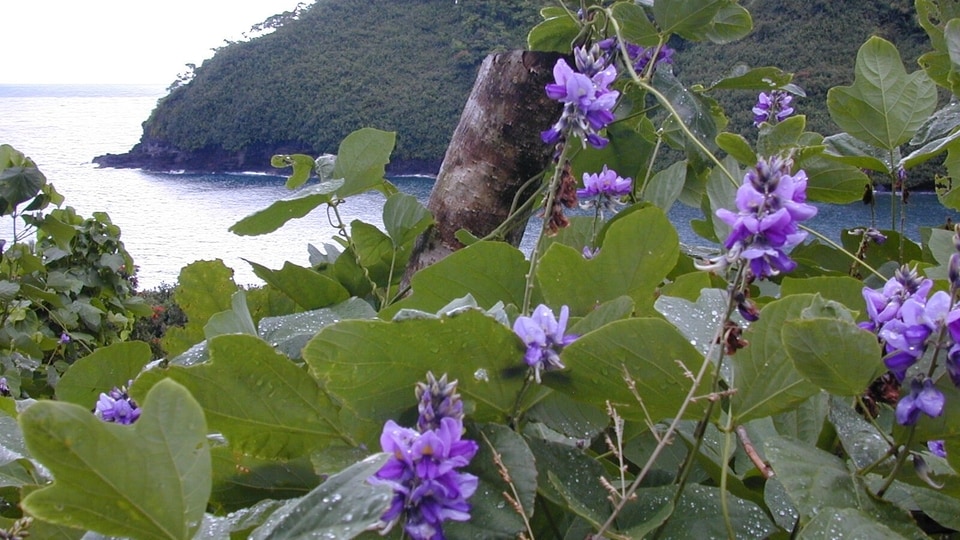
The Civilian Conservation Corps also helped plant kudzu, while the government offered farmers incentives of up to $8 per acre. By 1946, about 3 million acres of farmland had been planted with the vine, according to the Alabama Cooperative Extension System. Although kudzu became widely planted, establishing it in some locations could be difficult, and not every planting effort succeeded.
From porch shade to public pestilence
Kudzu was first displayed in the United States at the Philadelphia Centennial Exposition in 1876. By the late 19th century, its seeds were sold as an ornamental vine for shading Southern porches and courtyards. Its grape-scented flowers added to its appeal. By 1905, kudzu was being promoted as inexpensive livestock forage. Its popularity grew in the 1940s, when kudzu clubs, festivals, and pageants spread across the South. Journalist and radio host Channing Cope founded the Kudzu Club of America in 1943, and the organization eventually had about 20,000 members.
Deep Dive

The mood shifted by the early 1950s, as kudzu increasingly came to be viewed as a nuisance. Its spread was encouraged by the South's warm climate, long growing season, and plentiful rainfall, along with relatively few natural enemies. Kudzu can grow up to 60 feet in a single growing season, and mature stands can form mats as thick as 8 feet, according to the University of Florida IFAS Extension. Federal policy eventually changed: The U.S. Department of Agriculture removed kudzu from its list of recommended cover plants in 1953 and classified it as a common weed in the South in 1970. The Alabama Cooperative Extension System reports that kudzu is listed as a noxious weed in 13 states.
The damage extends beyond the vine itself. Kudzu provides habitat for the kudzu bug, an insect that can damage soybean crops. Research has reported soybean yield reductions of up to 18%, with losses reaching 47% under some conditions. Landowners have several options for controlling kudzu, but eliminating it across the United States remains a major challenge.
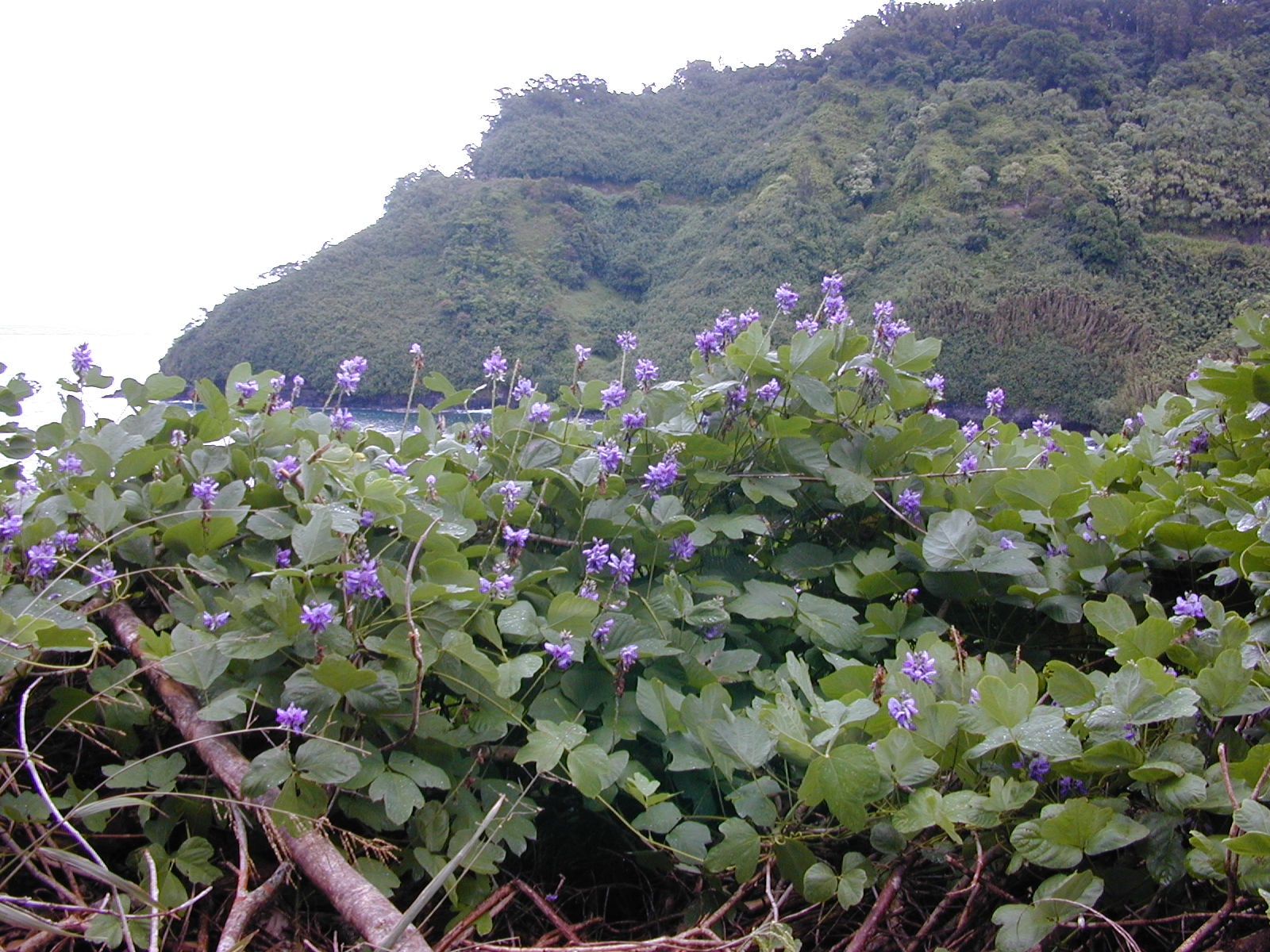
What the satellites are seeing today
A 2024 study, Kudzu invasion and its influential factors in the southeastern United States, offers a closer look at the vine's spread. Published in the International Journal of Applied Earth Observation and Geoinformation, the study by Ming Shen and colleagues used Sentinel-2 satellite imagery to track kudzu in Knox County, Tennessee, from 2020 to 2022. The researchers identified a seasonal pattern, with growth beginning in May, peaking in August, and rapid leaf loss occurring in fall. The mapped area covered by kudzu increased by 37% between July 2020 and July 2021, followed by a further 15% increase over the next year. Seasonal growth patterns were associated with temperature, while rainfall did not appear to limit growth in the study area.
Human activity also appeared to influence the vine's distribution. The satellite analysis found that kudzu density declined with distance from roads, with heavy infestations concentrated along highways, riverside, and the edges of vegetated areas in urban parks. Because the research covered a single county, the results may differ elsewhere in the South. Still, the seasonal growth pattern could help land managers time control efforts during the growing season, before the leaves fall.
Kudzu's history offers a warning about the unintended consequences of introducing and widely promoting a plant. Mature patches can have starchy roots extending up to 12 feet deep and weighing 200 to 300 pounds. The Alabama Cooperative Extension System estimates that kudzu covers more than a quarter-million acres in Alabama. Beyond the Southeast, established populations have also been reported in states including Pennsylvania, Illinois, Texas, and Oklahoma.
Scientists use risk assessment methods to evaluate whether introduced plants are likely to become invasive, although predicting their behavior can be difficult. The Alabama Cooperative Extension System cautions that kudzu's ecological potential in the United States may not yet be fully realized.