E-Paper



Who are Bhaskar and Arun Savani? Indian-origin brothers face up to 420 years in US prison over fraud
Prosecutors said the Savani brothers orchestrated several schemes, including visa fraud involving false H-1B visa applications, healthcare fraud.

 Prefer HTon Google


Bhaskar Savani and Arun Savani, two Indian-origin brothers from Pennsylvania, have been convicted in the US for running a multi-state racketeering conspiracy involving visa fraud, healthcare fraud, money laundering and tax fraud, authorities said. They now face maximum sentences of 420 years and 415 years in prison, respectively.
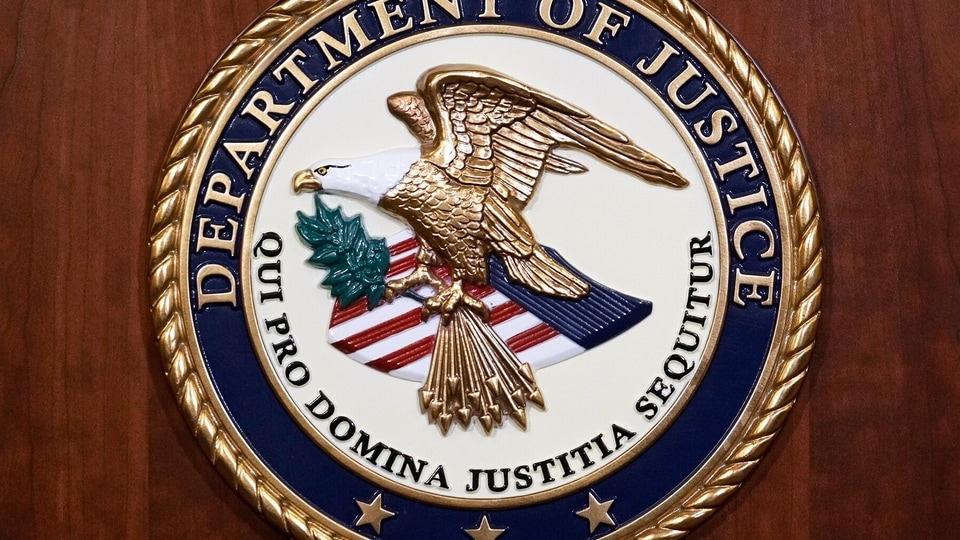
Prosecutors said the Savani brothers orchestrated several schemes, including fraud involving false H-1B visa applications, healthcare fraud targeting the Medicaid program, money laundering, and tax evasion. Their associate, Aleksandra Radomiak, 48, was also convicted following the trial.
Visa fraud, recruitment and other charges
According to a press release by the US Attorney’s Office, Bhaskar Savani, a dentist, and his brother Arun Savani built what prosecutors described as a “complex criminal enterprise” known as the “Savani Group”, which generated millions of dollars through multiple fraudulent schemes over several years.
Authorities said the visa fraud scheme involved filing fraudulent visa applications to recruit foreign workers, mostly from India, who were allegedly forced to return portions of their wages and fees to the Savani Group.
Investigators also accused the group of carrying out large-scale healthcare fraud by fraudulently obtaining Medicaid contracts and billing the programme through nominee-owned dental practices after their original practices were terminated from Medicaid insurance contracts.
“The Savani Group defrauded Medicaid of more than $30 million through the scheme,” officials said.
Money laundering, Medicaid fraud
In another scheme, prosecutors said the group billed Medicaid using another dentist’s National Provider Identifier on dates when that dentist was outside the United States and for procedures performed by uncredentialed dentists.
The brothers were also accused of laundering proceeds of the healthcare fraud through a network of corporate bank accounts linked to their business entities.
Prosecutors further alleged that the brothers engaged in tax and wire fraud by claiming false business expenses and failing to report certain taxable payroll and income.
Authorities said the scheme involved failing to pay taxes on about $1.6 million of personal income and $1.1 million of employees’ unreported income.
Investigators also uncovered a scheme involving prototype dental implants labelled “Not For Human Use”. Prosecutors said the devices, which had not been cleared by the US Food and Drug Administration, were allegedly implanted in patients without their knowledge or consent.
“Through their criminal enterprise, Bhaskar and Arun Savani orchestrated long-running schemes to enrich themselves,” the US Attorney’s Office said in a statement announcing the convictions.
What are the charges?
Bhaskar Savani was convicted on multiple counts, including conspiracy to violate racketeering laws, visa fraud, healthcare fraud, money laundering, tax fraud, and conspiracy related to the Food, Drug and Cosmetic Act.
Arun Savani was convicted on similar charges tied to racketeering, visa fraud, healthcare fraud, money laundering and tax offences. Radomiak was convicted of conspiracy to violate racketeering laws as well as healthcare fraud-related charges.
The brothers face statutory maximum sentences of 420 years and 415 years in prison, respectively. Radomiak could face up to 40 years behind bars. Their sentencing is scheduled for July 2026.