
 E-Paper



Farm fire smog: Bathinda sees six days with half of normal bright sunshine hours in November
Bathinda district saw zero bright sunshine hours on Thursday, says observatory of Punjab Agricultural University’s regional research centre

 Prefer HTon Google


Punjab’s Bathinda district in November so far has witnessed six days with no more than half of normal bright sunshine hours amid a blanket of haze as the burning of paddy stubble continues unabated in the state.
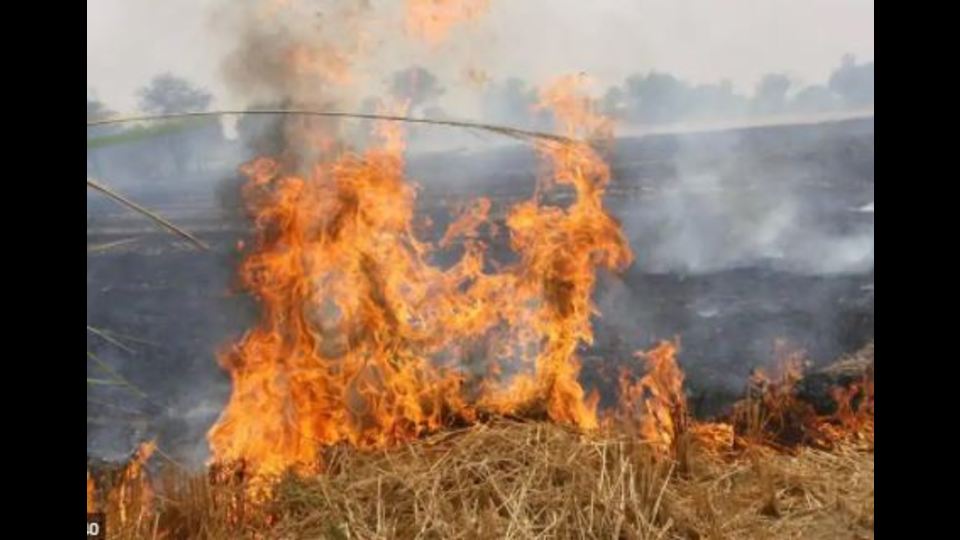
Moreover, the district saw zero bright sunshine hours on Thursday, according to the observatory of Punjab Agricultural University’s regional research centre.
On Friday too, hazy conditions prevailed in the morning and there was no sunshine in the afternoon. The exact details of bright hours for the day will be released on Saturday.
Senior agrometeorology scientist at PAU Raj Kumar said the drastically reduced sunshine time was due to heavy smog in air. “Weather conditions are dry for over two weeks and there should have been complete bright sunshine time for average 8-10 hours per day. But as the burning of crop residue in the fields is being reported across the state, bright sunshine hours are adversely impacted,” he said.
On three days of November, bright sunshine was seen for six hours, and one day, full sunlight was recorded for seven hours. November 1 was the only day when the sunshine hour was recorded for full 8 hours.
Paddy harvesting in southern Punjab gained momentum from November 1 and there has been a spike in the number of farm fires in the region since.
Seven districts of the south Malwa belt have reported a daily average of 1,672 farm fire cases since November 1, adding up to the air pollution.
Sunil Mittal, dean of school of environment and earth sciences at Bathinda-based Central University of Punjab, said reduced bright hours are also likely in the adjoining districts of Malwa as smog conditions are similar. A blanket of pollutant particulate matter created in the atmosphere has lowered the surface temperature by 3 degrees Celsius than the normal temperature.
“Such conditions during the winter are conducive for various viral infections. Reduced sunshine hours are expected to stay for another 10 days and smog might cause serious discomfort to vulnerable sections,” said Mittal.
On Friday, 3,403 farm fires were reported in Punjab and 1,421 incidents were recorded from seven districts of south Malwa.
Maximum 619 fire incidents were reported from Sangrur. Moga, Ludhiana, Patiala, Bathinda and Barnala districts reported more than 200 fire cases.


