
 E-Paper



Bail to Umar Khalid will impact trial in Delhi riots case: Delhi police to SC
Umar Khalid approached the Supreme Court in April this year against the Delhi high court’s refusal to grant him bail on October 18 last year

 Prefer HTon Google


NEW DELHI: The Delhi police has told the Supreme Court that granting bail to former JNU student Umar Khalid’s will prejudice the “fearless, truthful” deposition of protected witnesses who are yet to be examined by the trial court in the Delhi riots case.
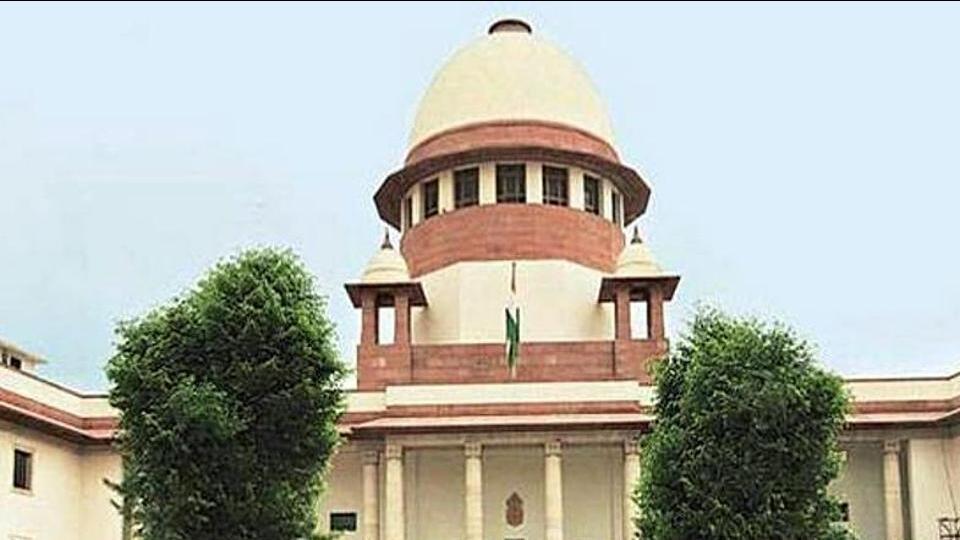
“The detention of the petitioner in judicial custody (in jail) is warranted, essential and necessary for fearless, truthful and freely deposition of protected witnesses by the trial court.” the affidavit by assistant commissioner of police (Special Cell) Lalit Mohan Negi said,
Khalid approached the top court in April against the Delhi high court’s refusal to grant him bail on October 18 last year. On May 16, the top court gave police two months to respond.
Khalid was arrested under the anti-terror law, the Unlawful Activities (Prevention) Act (UAPA) and accused of being the alleged “mastermind” of the February 2020 riots in north-east Delhi. The violence, which left 53 people dead and over 700 injured, erupted during the protests against the Citizenship Amendment Act (CAA).
As the matter came up for hearing on Wednesday before a bench of justices AS Bopanna and Prashant Kumar Mishra, justice Bopanna said, “This will come before another bench as there is some difficulty on part of my brother to hear this.” The matter was adjourned to August 17.
With four charge-sheets already filed in the case, police said there was “overwhelming cogent” evidence against Khalid who was arrested on September 13, 2020, and sought an order for a time-bound trial.
There are 47 protected witnesses in the case whose identities have been kept confidential as they gave statements exposing the role of the petitioner and several others in the conspiracy behind the anti-CAA protests leading to the riots in February 2020. Police alleged that the violence was engineered to publicise before the global community that minorities were being targeted and discriminated against in India.
Police said a holistic reading of statements given by the protected witnesses makes it “abundantly clear” that Khalid was instrumental in creating WhatsApp groups prior to the riots and propagated that the protests be led by women and children to deter action by police officials.
“The protest planned were destructive in nature from the very beginning with a pre-meditated intention to cause chakka jam and disrupt essential services in the city, causing panic and insecurity,” the affidavit said.
Based on this evidence, both the trial court and high court found a prima facie case against him which is a sufficient condition under section 43D of the UAPA to deny bail.
The city police blamed the accused, including the petitioner, of delaying trial by filing applications in the trial court for seeking documents. “Considering the sensitivity of the case where the Capital city of the country was put under siege of a terrorist attack...the prosecution has already prepared a detailed plan to conclude trial within a time bound period,” it said, adding, “If this court directs time-bound trial, the prosecution is more than willing to comply with that.”


